Patriotic Front political leader Mickela Panday has questioned the Government’s decision to seek a three-month extension of the State of Emergency (SOE), arguing that the move coincides with growing public criticism and protest activity rather than solely efforts to combat crime.
In a video posted on social media, Panday said she did not believe the proposed extension was only about public safety and crime reduction, as the Government has maintained.
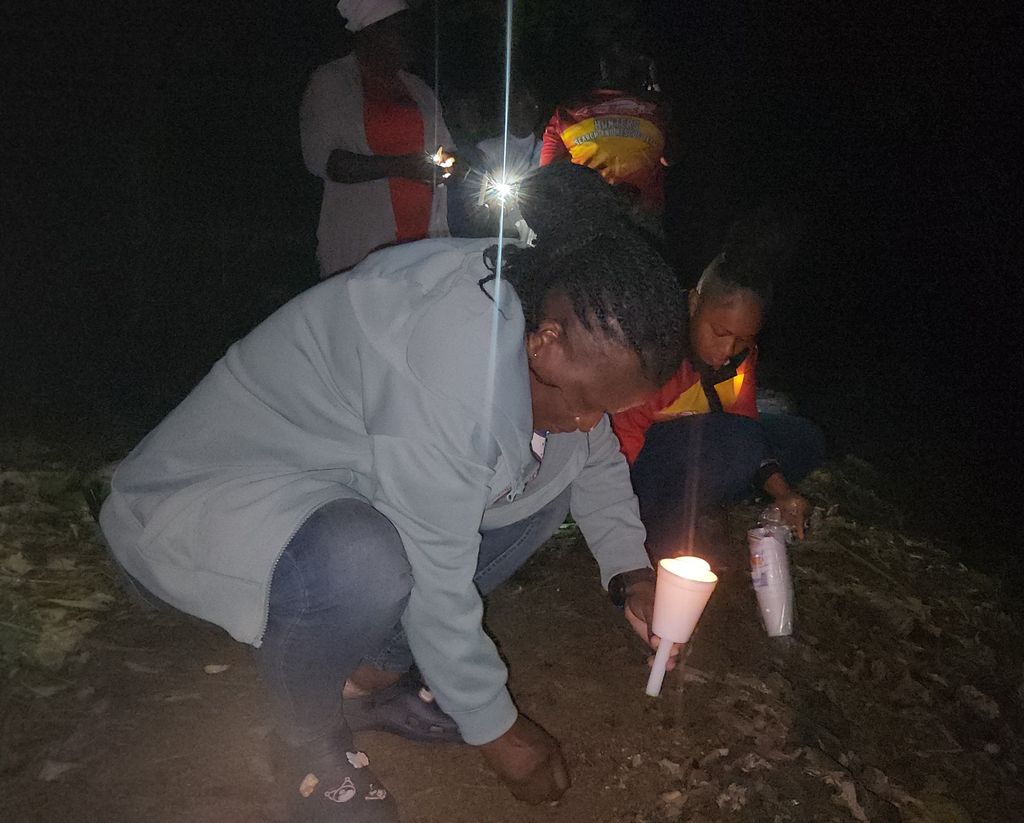
She pointed to what she described as a sequence of events beginning on May 27, when citizens protested outside the Office of the Director of Public Prosecutions. According to Panday, the Government announced 15 no-protest zones on the same day.
She said nurses, workers, trade unions and other citizens subsequently became more vocal in demanding answers from the Government, and questioned why lawmakers were being asked to approve another three months of emergency powers before the current SOE expires on June 17.
“The government says this is about crime. Let me ask you a simple question. Do you feel safer? Has crime been defeated? Has fear disappeared from our communities?” she asked.
Panday argued that if the emergency measures were effective, there should be no need for an extension, and if they were not effective, citizens should not be asked to surrender additional freedoms.
She also criticised comments made by Minister in the Office of the Prime Minister Barry Padarath, who she said suggested criticism of the Government stemmed from hatred, racism or prejudice.
Panday rejected that claim, saying citizens had a democratic right to question government decisions, protest and demand accountability.
She accused the Government of attempting to rewrite history by suggesting that citizens had not challenged political leaders in previous years.
As examples, she referred to protests led by Oilfields Workers’ Trade Union president general Ancel Roget outside the home of then prime minister Kamla Persad-Bissessar in March 2015, and demonstrations outside the homes of government officials, including former prime minister Dr Keith Rowley, in November 2024.
She argued that such demonstrations were accepted as legitimate forms of democratic expression at the time and questioned why criticism was now being portrayed negatively.
“The people are not the problem. The people are the employers. The government works for the people, not the other way around,” Panday said.
She maintained that citizens have the right to question authority, challenge government policy and protest peacefully.
Panday said she believed the timing of the proposed SOE extension raised concerns and urged citizens to continue demanding answers from those in power.
“This government may have the numbers in parliament, but the people still have a voice. And that voice is more powerful than any parliamentary majority,” she said.
Related News
Trump threatens more strikes on Iran after Tehran fires back at countries in the region

Gonzales calls for Ebola preparedness plan
Officer shortage compromises prison safety, says POA