Just under 300 political parties, coalitions to participate in upcoming Haiti election
 28 March 2026
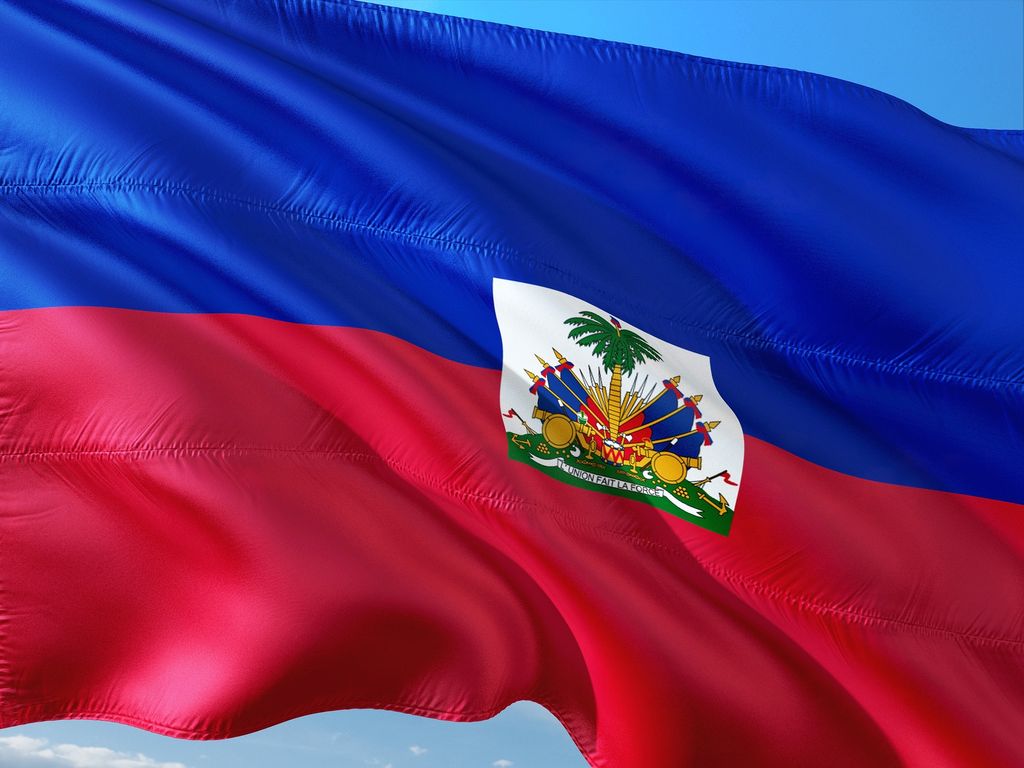

Haiti’s Provisional Electoral Council (CEP) has approved 282 political parties and coalitions to participate in upcoming elections, marking a step forward in a long-delayed process unfolding amid deep insecurity and political uncertainty.
The list that was published after a 10-day registration period that ended on March 12, saw 320 organizations register—including most major political parties and platforms.
However, notable absences include the Parti Haitian Tèt Kale — the party of former President Michel Joseph Martelly — as well as the Résistance Démocratique (RED) platform led by former officials allied with the late President Jovenel Moïse.
Among the parties cleared to participate are Fanmi Lavalas of former President Jean-Bertrand Aristide, the Organisation du Peuple en Lutte (OPL), Pitit Dessalines, Les Engagés pour le Développement (EDE) led by former Prime Minister Claude Joseph and Ayiti An Aksyon (AAA) of former Senator Youri Latortue, among others.
However, it is not known why PHTK and RED were excluded.
The electoral council said parties not yet approved have until April 2 to complete their registration, meaning the list could still expand.
“The Provisional Electoral Council reaffirms its commitment to conducting an inclusive and impartial electoral process, with full independence and transparency,” the council said in a statement.
The next phase of the electoral calendar includes voter registration from April 1 to June 29, followed by candidate registration from April 13 to May 15.
Campaigning for the first round of legislative and presidential elections is scheduled to run from May through late August.
Despite this progress, critical elements remain unresolved, including the total cost of the elections and how they will be financed.
Earlier this week, Prime Minister Alix Didier Fils-Aimé met with electoral officials and international partners, including the United Nations Development Program (UNDP), United Nations Office for Project Services (UNOPS) and the Organization of American States (OAS), to discuss funding.
Jacques Desrosiers, president of the electoral council, said both financing and improved security are prerequisites for holding credible elections — the first in more than a decade.
However, Prime Minister Fils-Aimé gave reassurances.
“The elections will be held,” he said in a statement after the meeting with stakeholders. “Their success is a historic and collective responsibility. Since February 7, 2026, Haiti has entered a new phase of transition, structured around a clear roadmap: restoring security, rebuilding the economy, and organizing general elections.”
Holding elections remains a major challenge in a country where violence continues to disrupt daily life.
Armed groups, including the Viv Ansanm, control large swathes of Port-au-Prince and key national roads, limiting movement and potentially access to polling sites.
According to the United Nations, more than 1.4 million people have been displaced by violence. But many have lost identification documents issued by the National Identification Office, which has complicated voter registration.
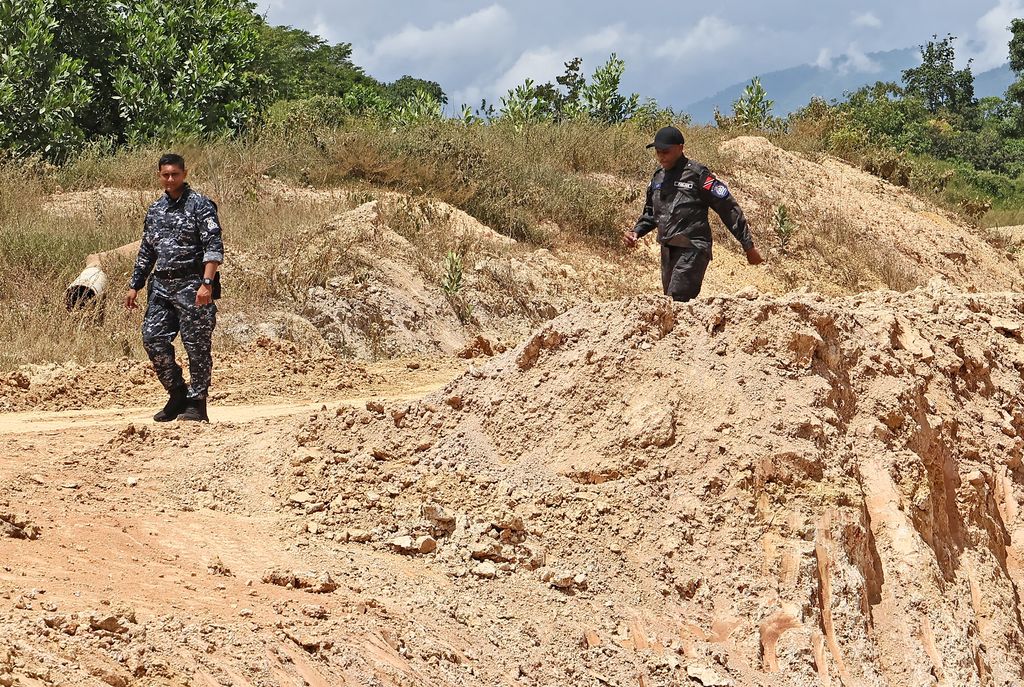
Security forces say operations are ongoing. The Haitian National Police reported that 43 suspected gang members were killed in 32 operations during the first quarter of 2026, alongside major seizures of weapons and ammunition.
Authorities also plan to deploy additional personnel, including members of Haiti’s armed forces, to support police operations and secure voting areas.
“The army’s strengthening aims to help secure the environment for elections this year,” Defense Minister Mario Andrésol said during a visit to a military base in Léogâne, about 21 miles southwest of here.
The push to secure elections comes as international security support evolves.
The Multinational Security Support Mission (MSS)—led by Kenyan forces since 2024—is gradually scaling down, with contingents returning home in recent months. Authorities say the mission will transition to a new force, with Chad expected to deploy up to 800 personnel by April 15.
Despite these efforts, critics say security conditions on the ground have shown little improvement, raising doubts about whether elections can be conducted safely and credibly.
For now, the approval of political parties marks progress on paper, but the broader conditions needed for a successful vote remain uncertain. —PORT AU PRINCE, Haiti (CMC)