Jamaican ministers praise their country’s ZOSO model after T&T bill collapses
 30 January 2026

Lead Editor-Newsgathering
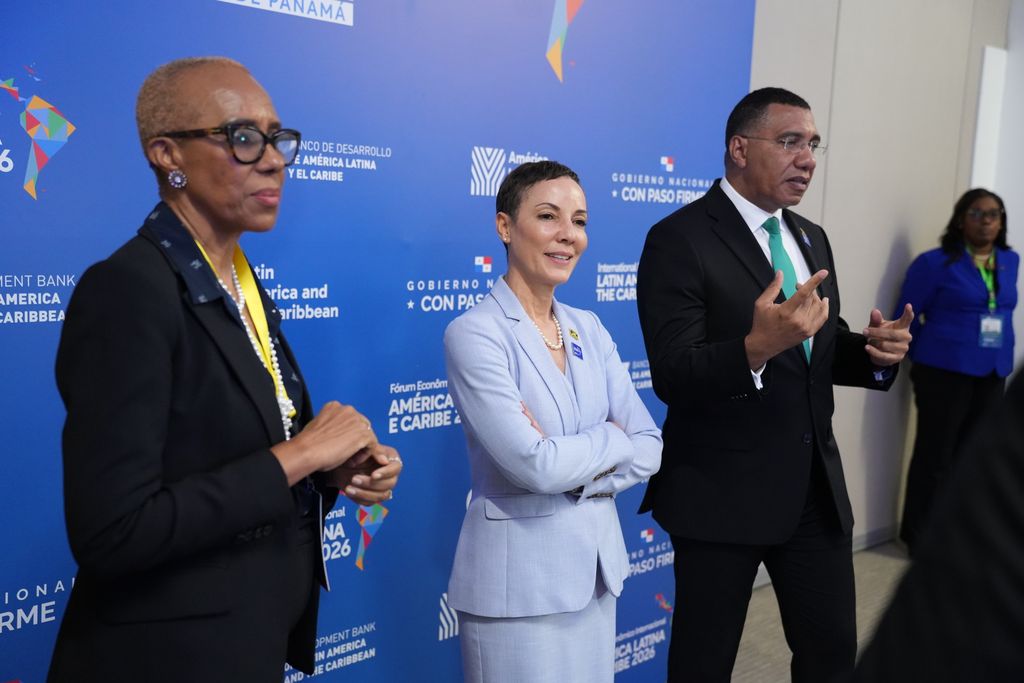
PANAMA CITY—Jamaica’s Minister of Foreign Affairs and Foreign Trade, Kamina Johnson Smith, continues to recommend her country’s Zones of Special Operations (ZOSOs) as a key part of a crime-fighting strategy, especially after similar legislation failed to pass in the Trinidad and Tobago Senate.
Johnson Smith spoke with Guardian Media on Wednesday night on the peripheries of CAF’s International Economic Forum in Panama City, hours after senators rejected amendments to the ZOSO bill, despite the Government’s effort to pass the legislation before the State of Emergency ends on January 31.
“I didn’t know that,” Johnson Smith said, looking visibly surprised when informed of the bill’s failure. “The ZOSOs have been a critical part of the national security architecture and part of the ecosystem that we have used to deliver the multi-pronged approach that has led to the massive reductions that we are now experiencing in homicide.”
She stressed, however, that the initiative was not a cure-all.
“There’s been no silver bullet, but the ZOSO has been a critical part of the toolbox,” she said.
Under Jamaica’s framework, ZOSOs combine intensified policing with social intervention, targeting communities identified as producing a disproportionate share of violent crime.
“It combines social action with hard policing,” Johnson Smith said. “You are bringing in your agencies of social change. You are ensuring that disenfranchised youth have opportunities and training. You are ensuring better garbage collection so there is community pride, together with the hard policing.”
She said Jamaica identified roughly 20 communities responsible for about 80 per cent of violent crime and focused resources accordingly. In some ZOSO communities, she said, there were zero or one murders over one- or two-year periods after designation.
The discussion comes amid heightened concern about police use of lethal force across the region. In Jamaica, police fatally shot more than 300 people last year, according to official figures. Jamaican authorities have maintained that none of those killings occurred within ZOSO communities.
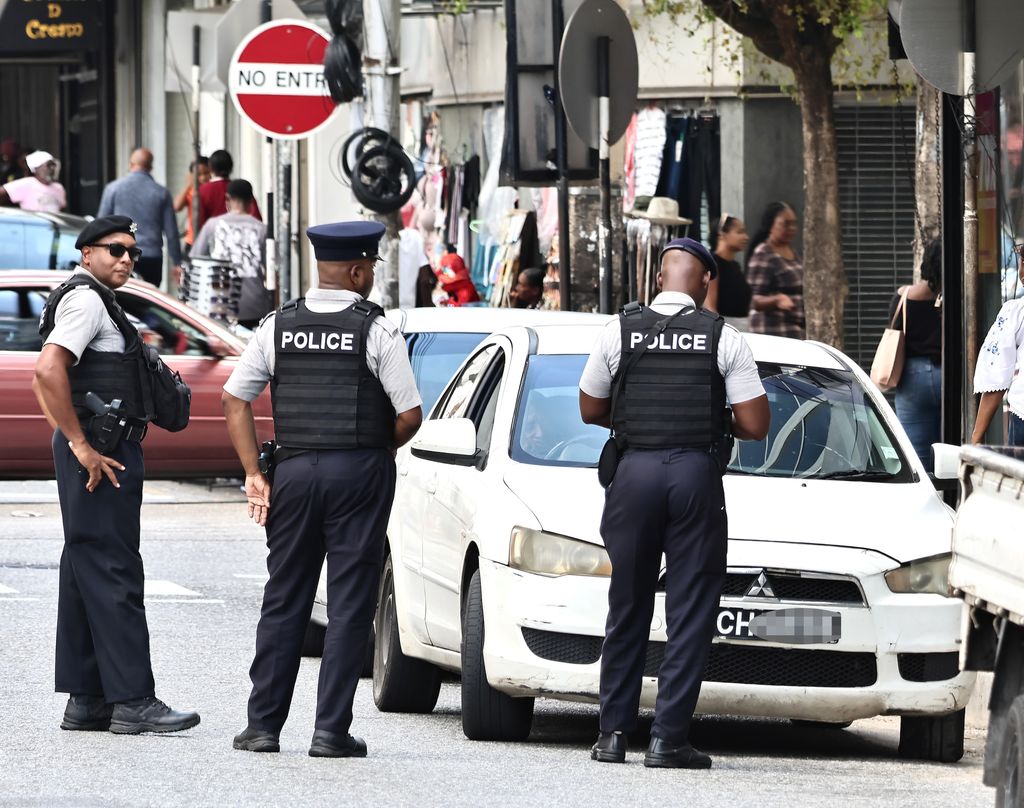
In Trinidad and Tobago, public outrage has intensified following the release of CCTV footage showing 31-year-old Joshua Samaroo appearing to surrender before police opened fire, killing him and critically injuring his common-law wife, Kaia Sealy, 28.
Asked how Jamaica addressed concerns about police brutality within ZOSOs, Johnson Smith pointed to reform of the police service, which Prime Minister Andrew Holness stressed as a pillar in the fight against crime.
“Training,” she said. “Intensive human rights training. Human rights has become a core curriculum element in police training now. Once you’re recruited, this is part of what you learn as a policeman.”
She said the Jamaican Prime Minister had been insistent on transforming the force to ensure officers were better trained and more disciplined in their interactions with citizens.
Johnson Smith also highlighted the accountability mechanisms built into Jamaica’s legislation.
“There was a mechanism to report to Parliament,” she said. “Every 90 days, the Government reported on what was happening in each ZOSO and sought its extension, so there was a level of transparency and accountability that had never existed before.”
Those safeguards featured prominently among amendments proposed to Trinidad and Tobago’s bill. During the committee stage in the Senate, Attorney General John Jeremie said there was insufficient time to fully consider nearly 50 amendments put forward by independent and opposition senators.
Officials involved in drafting Jamaica’s ZOSO legislation, who spoke with Guardian Media but were not authorised to comment publicly, said those amendments were central to the model’s success. They included sunset clauses, mandatory reporting to Parliament, and there was no provision to allow the Prime Minister to unilaterally designate a zone.
Under Jamaica’s framework, members of Parliament and community representatives had to request ZOSO status, and communities were required to meet specific criteria before designation.
Those officials said Jamaica’s legislation, though drafted quickly, took months to pass as the Government worked to secure public and parliamentary support, as opposed to T&T’s bill, which the Government sought to pass during a short period before the State of Emergency expires on January 31.
Jamaica’s Minister of Finance and the Public Service and MP for St Andrew Eastern, Fayval Williams, said she had seen the impact of ZOSOs firsthand in her constituency.
“Once you said the name of that area, the first thing that came to people’s minds was murder,” Williams said. “Now, total change, total transformation. They have come to know and believe that peace can be long-lasting.”