
Israel has launched more than 50 strikes across Lebanon in the past 24 hours, raising fears that the escalating violence could unravel the fragile ceasefire between the United States and Iran, reigniting a broader regional conflict.
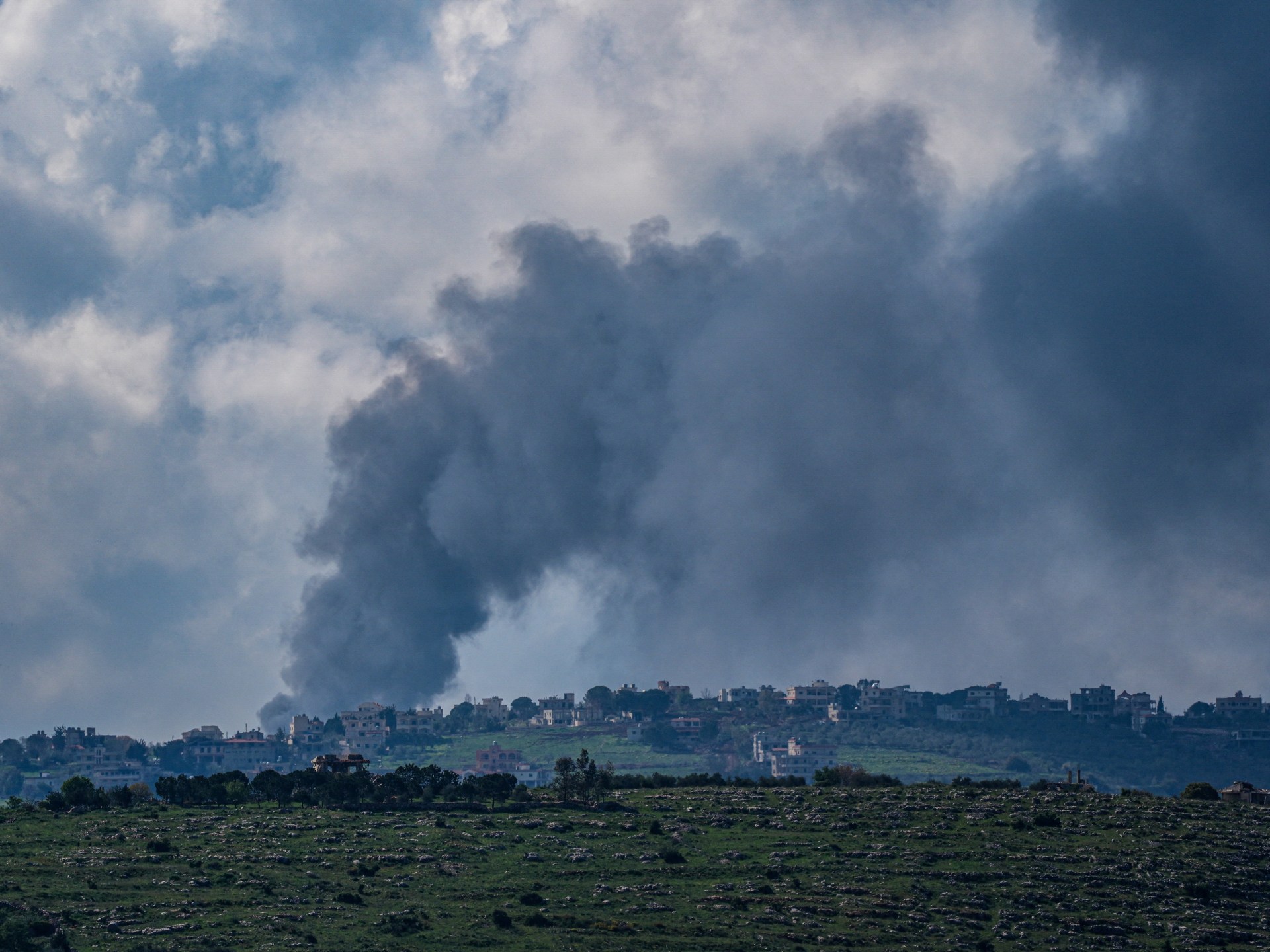
Lebanon’s National News Agency said an Israeli air strike on the southern town of Hanawya killed one person and wounded another on Friday. The agency also reported that Israeli forces destroyed residential areas in Aita al-Shaab, with additional strikes on al-Majadel in the Tyre district.
- list 1 of 3US-Iran ceasefire: Uncertainty over what’s next
- list 2 of 3Netanyahu: ‘No ceasefire in Lebanon’, Israel open to peace talks
- list 3 of 3Iran ceasefire: Not an off-ramp for the US but a life-saving ejection seat
end of list
Al Jazeera’s team on the ground reported that Israeli forces blew up homes in the town of Haneen in southern Lebanon.
The Lebanese group Hezbollah responded by firing rockets towards settlements in northern Israel, including Kiryat Shmona, Metula and Misgav Am. In a statement posted on Telegram, fighters said “these attacks would continue until the Israeli-American aggression against the country and the people stopped”.
Despite the escalation in the south, Al Jazeera’s Zeina Khodr reported a relative lull in Beirut, following Israel’s large-scale assault on Wednesday. It killed at least 300 people and wounded about 1,000 others.
“What we’ve noticed in the past 24 hours or so is that the tempo of Israeli strikes has been reduced, at least in the Beirut area,” Khodr said.
“Yes, there’s still military activity in the south of Lebanon but really a marked reduction in strikes in Beirut – whether or not this is intentional or not. But the Israeli media is making it clear, and quoting Israeli officials, that there is US pressure on the Israeli government to de-escalate this conflict in Lebanon,” she added.
Advertisement
The pressure to end the conflict comes amid food security warnings from the United Nations World Food Programme.
“What we’re witnessing is not just a displacement crisis, it is rapidly becoming a food security crisis,” said WFP’s Lebanon country director Allison Oman, speaking via video link from Beirut on Friday.
She warned that food is becoming increasingly unaffordable due to rising prices and higher demand from displaced families, and as the Iran war disrupts supply routes.
Israeli Prime Minister Benjamin Netanyahu said on Thursday that he ordered direct negotiations with Lebanon “as soon as possible”. Diplomatic efforts appear limited, however.
A senior Lebanese official told the Reuters news agency on Friday that Lebanon intends to join a meeting next week in Washington with US and Israeli representatives to discuss and announce a ceasefire. Beirut considers it a precondition to further talks to reach a broader deal with Israel.
But a senior Lebanese source told the Anadolu news agency that the planned talks in Washington will be preliminary.
“The meeting at the US State Department next week is preparatory, not a negotiation,” the source said.
The latest violence began days after Israel and the US launched their war on Iran on February 28. An attack by Hezbollah struck Israel on March 2, after which Israel launched an air campaign and ground operations in southern Lebanon.
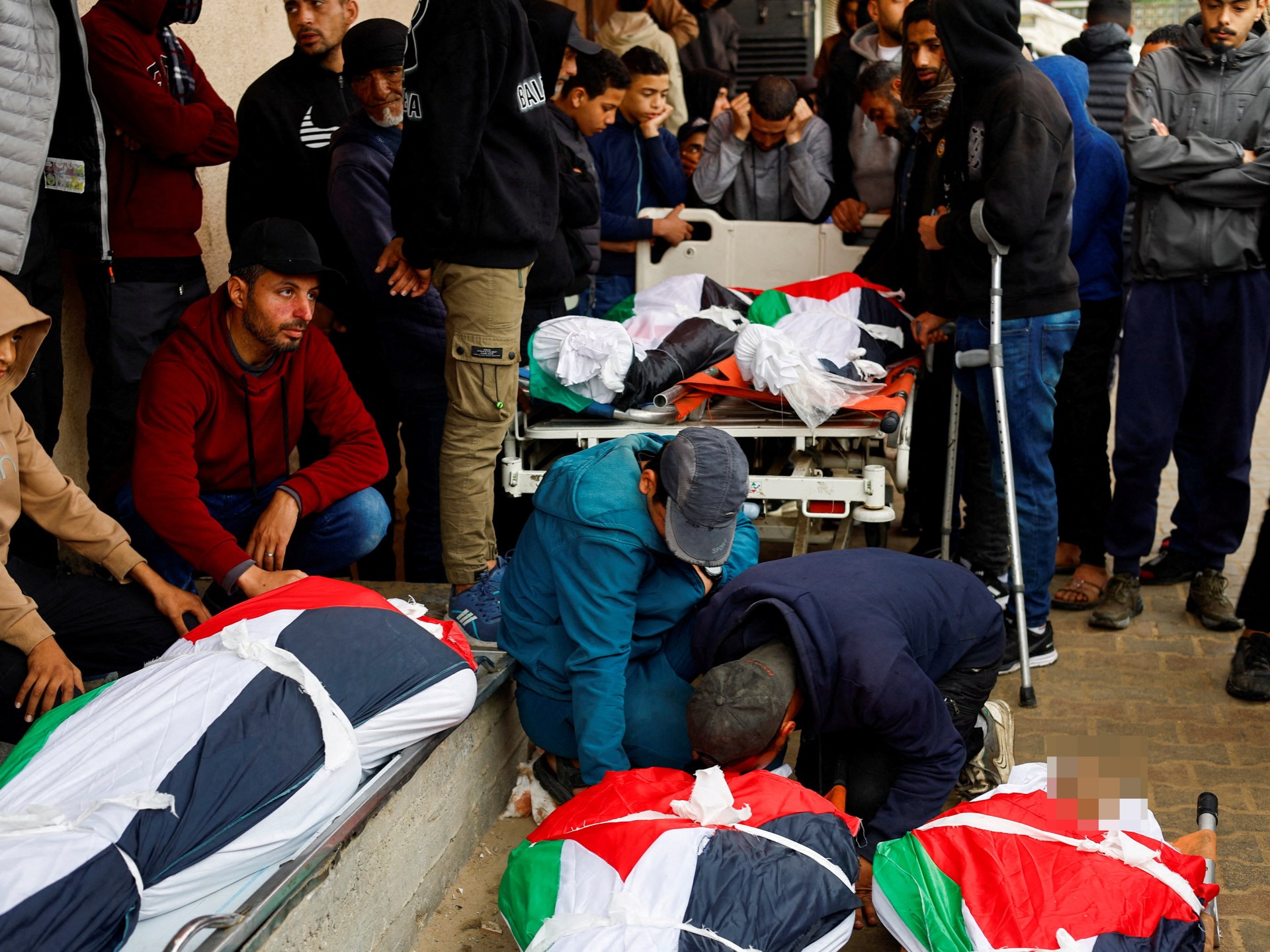
The humanitarian toll continues to rise. The UN’s children agency, UNICEF, warned that escalating attacks are having “a devastating and inhumane toll on children”.
“As news of a regional ceasefire agreement briefly ignited hope across the country, deadly Israeli airstrikes struck across Lebanon, reportedly killing 33 children and injuring 153,” the agency said on Thursday.
“The latest bloodshed adds to a staggering 600 children either killed or injured in Lebanon since 2 March,” adding that it has received reports of children missing, separated from their families and being pulled from under the rubble.
Nearly 390,000 children are among more than one million people displaced, UNICEF said.
Human Rights Watch said Israeli strikes have crippled important infrastructure in the south, including bridges over the Litani River.
“Between March 12 and April 8, Israeli forces systematically destroyed or severely damaged all main bridges connecting areas south of the Litani River to the rest of the country,” the group said, adding that only one main crossing remains operational.
Related News
Heavy rain, floods kill at least 45 people in Afghanistan, Pakistan
Iran war live: Tehran rejects Trump’s ultimatum; fire at Kuwait oil complex
Myanmar’s coup leader elected president by pro-military parliament