
Radhica de Silva
Heritage sites in Trinidad and Tobago must be preserved to safeguard the country’s history, according to visiting archaeologist Professor Mark Hauser, who is leading documentation work at the historic Cedar Grove Estate in South Trinidad.
Hauser, a professor of anthropology at Northwestern University, said protecting sites like Cedar Grove is critical to understanding the lives of enslaved and indentured workers who shaped the nation.
“Recognising historic sites like this is critical,” he said, noting that preservation efforts by the National Trust of Trinidad and Tobago and The University of the West Indies are a key step in ensuring these spaces are not lost.
He said the Cedar Grove Estate, which dates back to the late 18th and early 19th centuries, began as a sugar plantation before being converted into a copra-processing facility in the late 1800s. Hauser described the site as “unique,” pointing to the remains of a preserved copra factory that offers rare insight into the region’s industrial past.
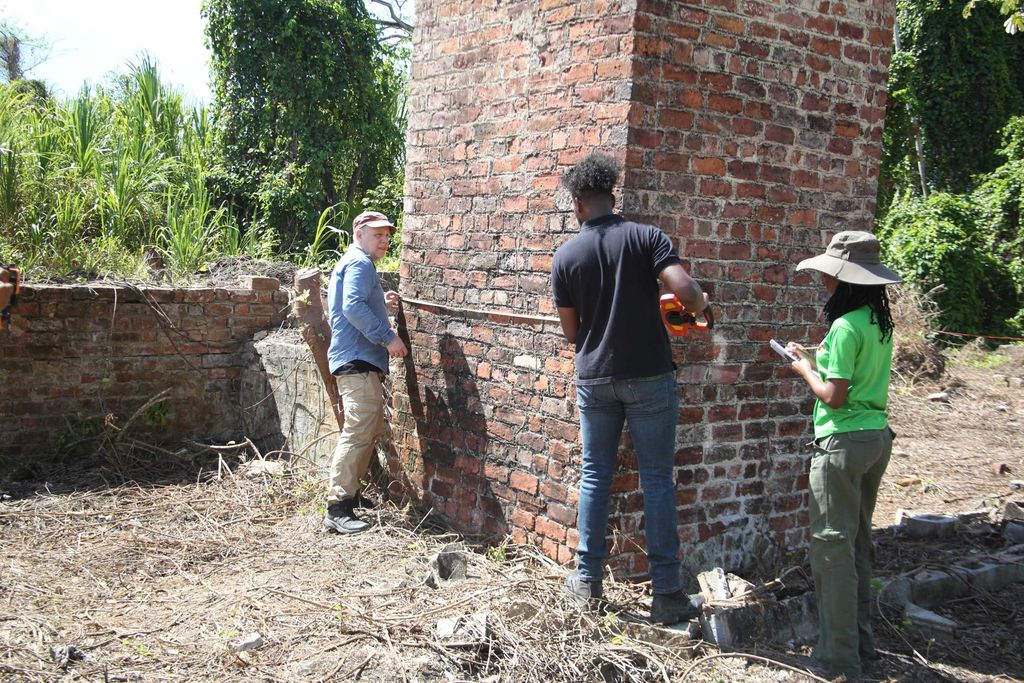
“What we’re doing right now is documenting this structure, mapping it, identifying architectural features and understanding the wider landscape, including where barracks, villages and the supervisor’s house once stood,” he explained.
He added that the Caribbean’s role in the Industrial Revolution is often overlooked.
“When we think about the Industrial Revolution, we think about England or North America. But actually, processes tied to that transformation were happening here first,” he said.
Findings so far suggest the factory was built in the 1880s or 1890s, possibly atop an earlier sugar-processing facility. Stamped bricks recovered at the site indicate materials were imported from New Jersey, helping researchers date the structure and trace global trade links.
Hauser, who has worked in Caribbean archaeology since 1991, said artifacts provide a more inclusive historical record than written documents.
“Documents are generally written by those in power, but artifacts are democratic, everyone left them behind. Through them, we can tell the stories of people who didn’t write their own histories,” he said.
He said the Cedar Grove Estate later formed part of the larger Palmyra Estate, which, at its peak during indentureship, employed more than 1,200 workers, underscoring the site’s importance.
He also said preservation does not always require excavation.
“Archaeological sites are often best left in the ground. Protecting the past is just as important as uncovering it,” he said.
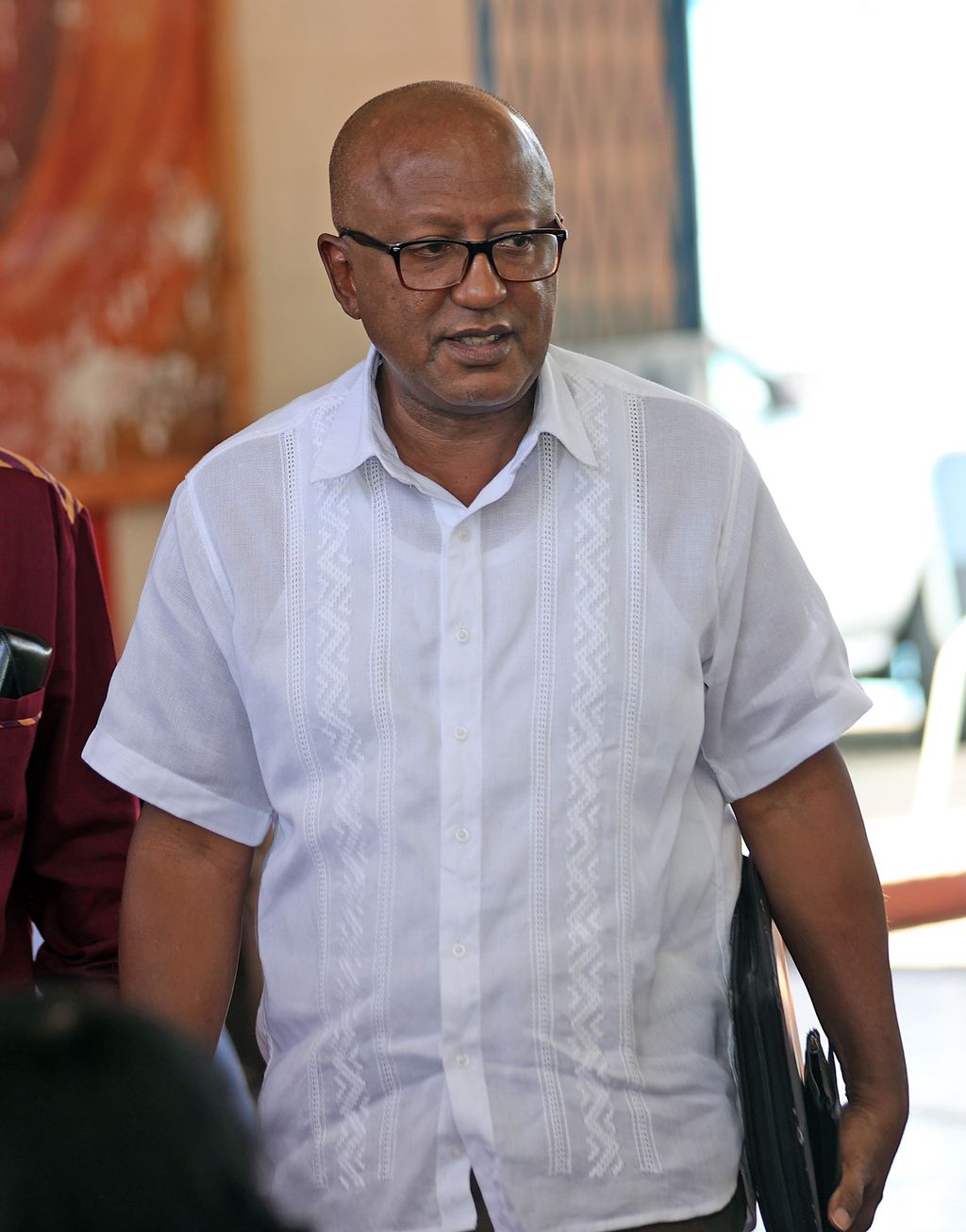
Meanwhile, local archaeologist Dr Shad Gobinsingh said the project highlights the untapped potential of heritage research in South Trinidad.
“In order for us to know where we’re going, we have to understand where we came from,” he said.
Gobinsingh, who specialises in zooarchaeology, said combining archaeological work with oral histories from elderly citizens could provide a more complete picture of the country’s past.
“We have to speak to our elders, their stories, combined with what we find on sites like this, will give us a comprehensive understanding of our history,” he said.
He said stronger public awareness and continued collaboration between local communities, academic institutions and heritage bodies are essential to preserving Trinidad and Tobago’s cultural legacy.