
Senior Reporter
kay-marie.fletch[email protected]
As the Cuban medical programme appears to be unravelling across the region, there has been no official response from the Ministry of Health on the issue.
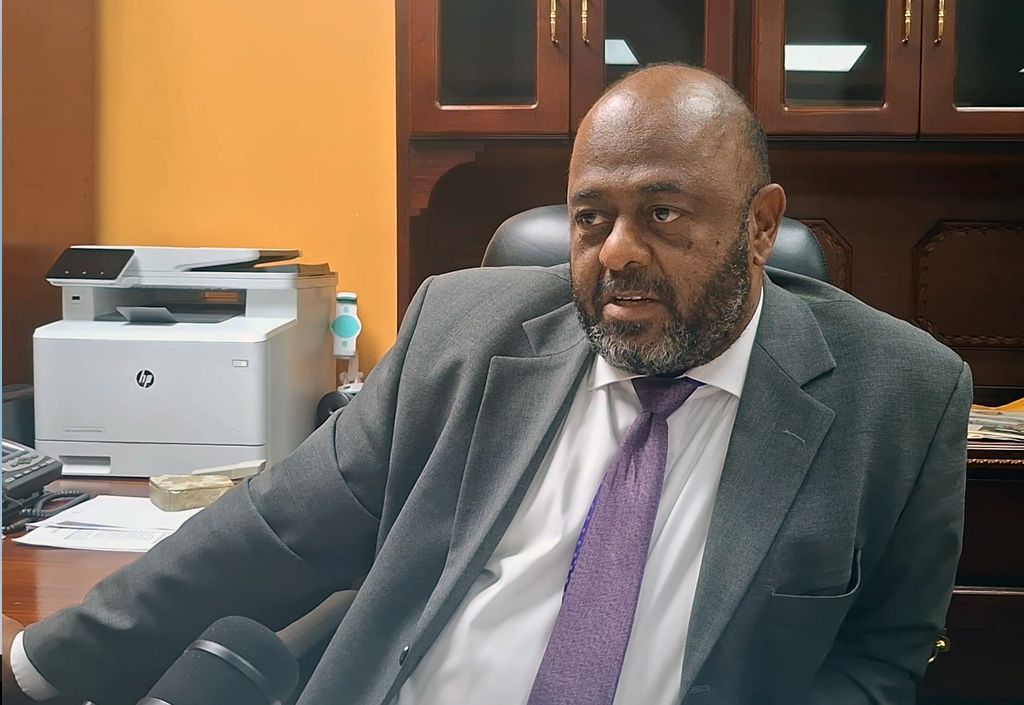
This month, both Jamaica and Guyana formally terminated their longstanding medical missions with Cuba, citing pressure from the United States. However, Health Minister Lackram Bodoe has yet to confirm whether Trinidad and Tobago’s programme will continue or be discontinued.
Guardian Media understands that in the lead-up to the April 2025 General Election, there were approximately 90 Cuban doctors and 176 Cuban nurses operating locally. At present, those figures are unknown, as Bodoe has not responded despite multiple attempts to contact him over the past two weeks.
A response from the Medical Board of Trinidad and Tobago (MBTT) is also pending. The Trinidad and Tobago Medical Association said it does not have data on the number of Cuban doctors practising locally and referred queries to the MBTT.
Speaking at a press conference on Tuesday, former prime minister Dr Keith Rowley called on Prime Minister Kamla Persad-Bissessar to state the Government’s position on the use of Cuban medical personnel. He said the matter should not be avoided and urged Bodoe to address the issue publicly.
The Ministry’s silence contrasts with the previous administration’s position, which highlighted the critical role of Cuban medical professionals—particularly specialists—within the healthcare system, most recently during the COVID-19 pandemic.
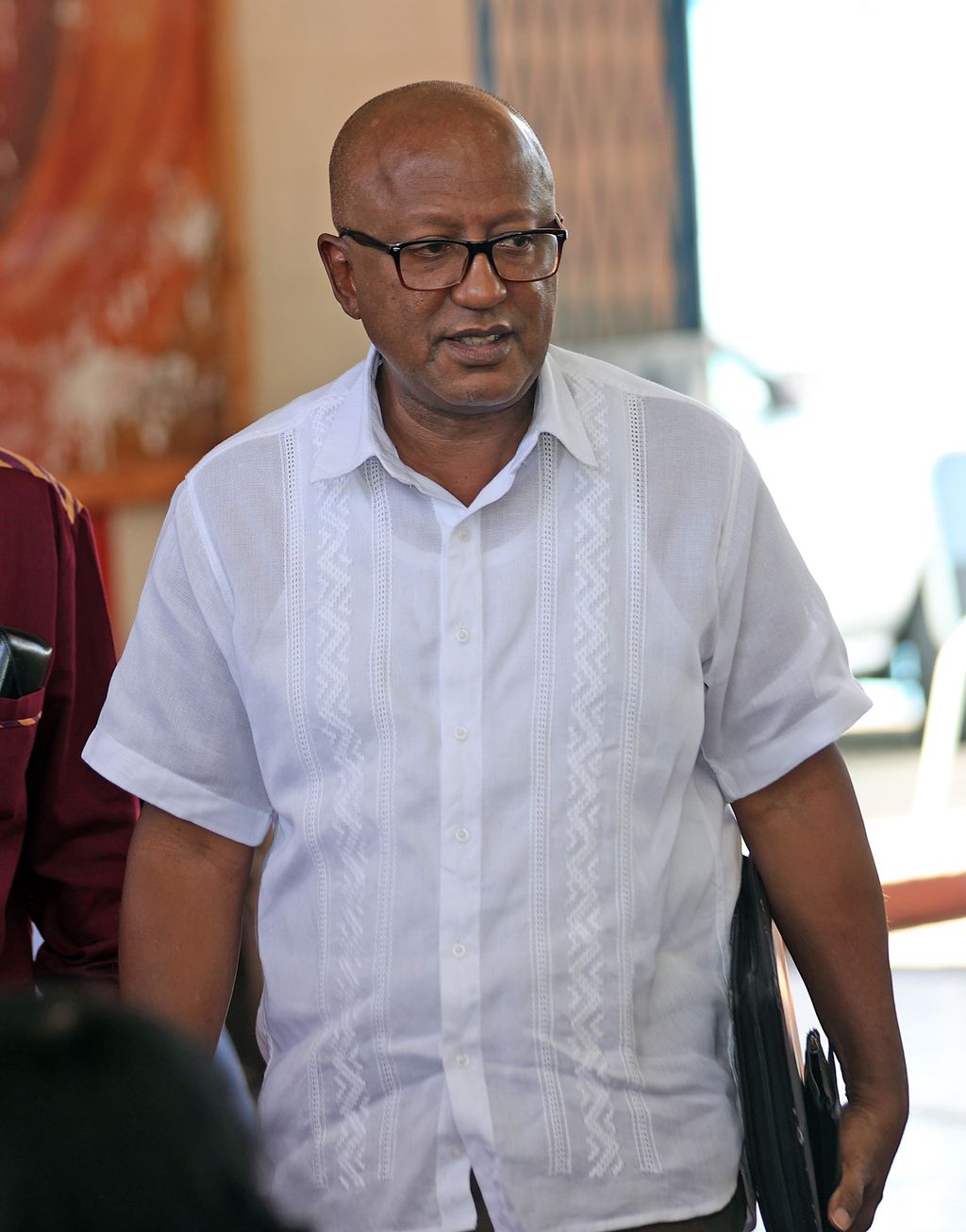
Amid the lack of clarity, President of the Trinidad and Tobago Registered Nurses Association, Idi Stuart, believes the programme may have already ended.
“I believe the programme has already been pulled. I am not aware of any significant numbers of Cuban nurses or doctors in the system currently, other than those who may have already become nationals,” Stuart said in a telephone interview.
He added that there appears to be no ongoing recruitment or presence of Cuban medical personnel in the public health system.
In his view, the loss of the programme would significantly impact healthcare delivery.
“The main losers are the citizens of Trinidad and Tobago, who will be disadvantaged in accessing speciality services,” Stuart said, noting that the country produces only a limited number of specialists annually.
He questioned how the country would fill the gap, pointing to challenges in attracting foreign doctors due to uncompetitive salaries and global demand for medical professionals.
“We are not attracting doctors from abroad. Countries like the UK and the US are absorbing them, and even within the Caribbean, professionals are now earning more than in Trinidad and Tobago,” he said.
Stuart warned that the nursing sector faces an even more severe challenge, citing the absence of local speciality nursing training programmes.
“We currently train registered nurses and psychiatric nurses, but beyond that, there is little specialised training available,” he said.
A Cuban doctor, who spoke on condition of anonymity, said while some Cuban medical personnel remain in Trinidad and Tobago, there may be no doctors currently operating under the formal Cuban medical brigade, as contracts would have expired.
The source added that several Cuban doctors are unable to return home and are hoping to be granted full registration locally.
The Medical Board confirmed that Cuban doctors with more than seven years’ experience in Trinidad and Tobago are eligible for full registration, while those with less experience must pass a qualifying examination.
However, the doctor argued that this requirement is unfair, claiming many Cuban practitioners have more experience than some of their local counterparts.
Efforts to obtain comment from Cuban Ambassador Gustavo Daniel Veliz Olivares and National Coordinator of the Cuban Medical Brigade in Trinidad and Tobago, Dr Orlando Lazaro Diaz Gomez, were unsuccessful.
While Prime Minister Persad-Bissessar did not respond to questions, she has publicly distanced Trinidad and Tobago from the Cuban government. Speaking at the opening of the 50th Regular Meeting of the Caribbean Community in St Kitts, she stated that Trinidad and Tobago does not support Cuba’s “dictatorial” regime.
Former health minister Fuad Khan said Cuban doctors filled a critical gap in the past, but he believes their role may now be less essential due to an increase in locally trained specialists.
Meanwhile, Tertiary Education Minister Prakash Persad said the Government is no longer offering Cuban scholarships for postgraduate medical studies, amid Cuba’s ongoing humanitarian, economic and energy crisis.