
Chester Sambrano
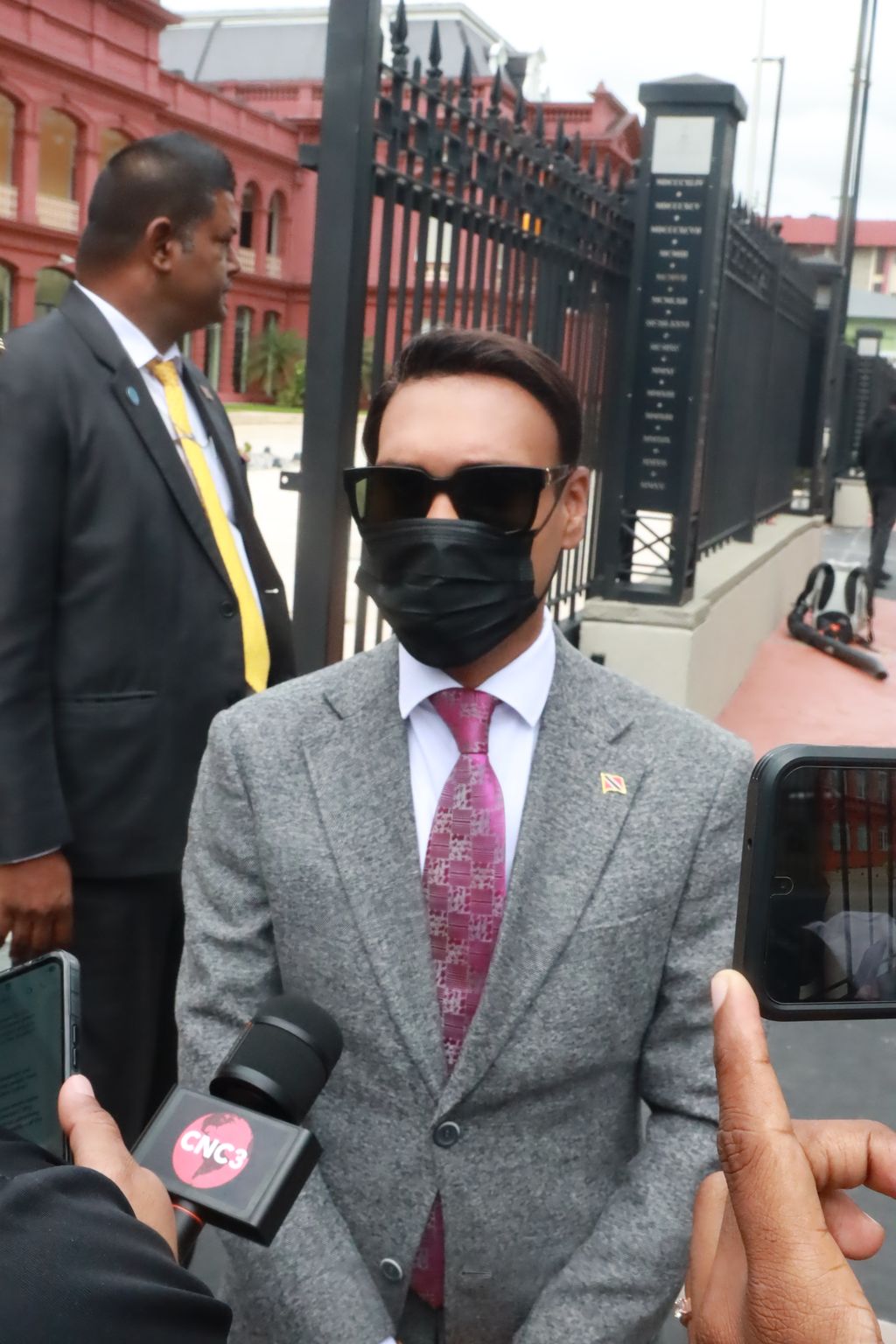
Former commissioner of police Gary Griffith has attributed the severe traffic congestion in and around Chaguaramas following the “Stink n Dutty” fete to a lack of leadership, planning and operational management, rather than failures by fete promoters or rank-and-file police officers. Griffith said concerns raised by residents and the business community were understandable but argued that many patrons reported seeing few police officers stationed at known bottleneck areas, along with an apparent absence of senior supervisory ranks directing traffic during critical periods.
He added that enforcement appeared to dissipate once the event ended, despite hundreds of motorists continuing to exit the area well into the following afternoon. Griffith said the situation was particularly disappointing given that fetes have taken place in Chaguaramas for decades and that large crowds can be managed effectively with proper leadership, coordination and evidence-based traffic planning.
He said such events can benefit businesses through increased patronage if effective management systems are implemented. Drawing on his tenure as commissioner of police, Griffith said traffic management for major events was never left to chance and relied on advance analytical assessments to identify historical gridlock points along the Western Main Road and surrounding areas.
He said officers were deliberately positioned at those locations, with senior officers present to supervise and adjust operations in real time, adding that he personally ensured oversight through direct involvement.
Griffith recalled one year when multiple fetes were held on the same night at O2 Park, Upick and Pier 2, attracting crowds exceeding 20,000 patrons, yet traffic flowed efficiently, allowing people to enter and exit the area within minutes rather than hours.
He said the difference lay not in luck, road layout or manpower, but in analysis-driven planning and leadership on the ground. Griffith also criticised the misuse of terms such as “risk assessment” and “disaster management” by individuals without experience in policing, law enforcement operations or traffic command, arguing that these were specialised disciplines requiring training, experience and accountability.
He cautioned against commentary from individuals who have never planned or commanded such operations, saying it often generated more noise than value, particularly when used to attack the Government.
He said the Government made the correct decision to move fetes from residential areas to Carenage, where they should affect fewer people. Griffith said while constructive criticism was vital in a democracy, it must be grounded in facts, warning that baseless attacks on the Government, the police or other authorities allowed those responsible for failures to evade accountability. “In the end, the people of Trinidad and Tobago deserve competent leadership from the TTPS, leadership that plans ahead, leads from the front, and takes responsibility when systems fail.”
Related News

Jamaican ministers praise their country’s ZOSO model after T&T bill collapses

Panday to PM: Name senators or withdraw allegations

Roberts pushes back against PM’s ‘ghost project’ claim