

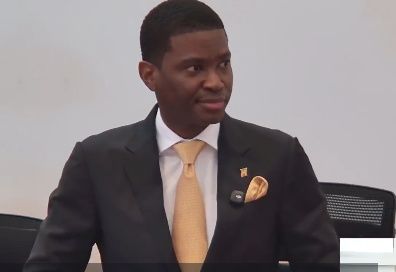

The Grenada parliament has given the green light to legislation amending the existing marijuana legislation marijuana even as Prime Minister Dickon Mitchell Tuesday said that his preference had been for the decriminalisation to take effect from the age of 18 years given that it is also the age of civil responsibility.
However, he told Parliament that he had to settle for age 21 because of the “passionate debate” that convinced him that it was a better choice that 18 years.
“There was passionate debate, we went back and forth…if you are an adult you are an adult, 18 is 18, we recognise 18, you can drive, you can vote, you can get married, so from my perspective you should be allowed at 18 if you do so wish to choose but I was in the minority,” Mitchell said as he made his contribution to the debate on the amendment of the Drug Abuse (Prevention and Control) (Amendment) Bill, 2026 that received the support of both government and opposition legislators.
“And so I cede graciously to the medical experts, to the mental health experts who recognise that at 18 a brain is still developing,” Mitchell added.
The government had described the measure as a transformative milestone toward cannabis reform with the Minister for Agriculture, Lands and Forestry, Economic Development and Planning, Lennox Andrews, citing the move as one “that prioritises the health of individuals and safety of our youth, while finally unlocking therapeutic and economic power for all Grenadians”.
The amended legislation marks a shift from punitive prohibition towards a balanced, evidence-based framework grounded in social justice, public health, and economic opportunity.
The bill provides for amnesty and automatic expungement of criminal records for specified minor cannabis offences. Pending criminal proceedings for the specified minor amounts of cannabis, will be discontinued.
It also affirms the constitutional rights of the Rastafari community to use cannabis as a sacrament within registered places of worship and for special events, with allowances for cultivation.
Adults aged 21 and over will be permitted to possess up to 56 grams of cannabis and 15 grams of cannabis resin, plus register to cultivate up to four plants per household for private use. Public consumption remains prohibited and subject to fixed penalties.
Strong safeguards remain in place to protect children and young people, including strict penalties for anyone who supplies cannabis to minors and a rehabilitative, non-criminal approach for youth found in possession.
While the bill focuses on decriminalisation, it establishes the foundation for a regulated medicinal and therapeutic cannabis industry.
Government said it will move within three to six months to develop a comprehensive national cannabis policy framework and supporting legislation covering cultivation, processing, research, and medicinal use.
Attorney General Senator Claudette Joseph underscored the bill’s timeliness, stating that “Grenada is one of the last jurisdictions to now move in the direction of the decriminalisation of cannabis and ultimately the establishment of a medical cannabis industry.”
She insisted that decriminalisation does not mean unrestricted use. Cannabis will remain a controlled substance, with clear limits, defined offences, and enforcement mechanisms. Public education will accompany implementation to address stigma, promote responsible behaviour, and highlight both the benefits and risks associated with cannabis use.
Prime Minister Mitchell told legislators that there is always a bright and dark side of marijuana use once its no longer recognised as a schedule one or controlled drug in national law.
“Yes, there is always the bright side and the dark side, we didn’t have an approach that said this is purely about recreational or purely about the social injustices that have been perpetuated on the Rastafarian community.
“We also recognise that there are serious medical risks and serious societal challenges that exist whether or not the policy continues to criminalise the use of possession for having apparatus relative to the use and or cultivation of marijuana that these things exist,” he added.
Leader of Government Business, Phillip Telesford who is also the Minister for Health, in tabling the legislation, said that the new measure does not allow for recreational use of marijuana.
“Our policy of decriminalisation will be peered with strike regulations to protect the youths and accompanied by a robust public education campaign and a strong enforcement against intoxication while driving medical use remains controlled and recreational use as per this Bill is not permitted. The Government prioritises health and safety over short term economic gains,” Telesford told the Parliament.
Related News
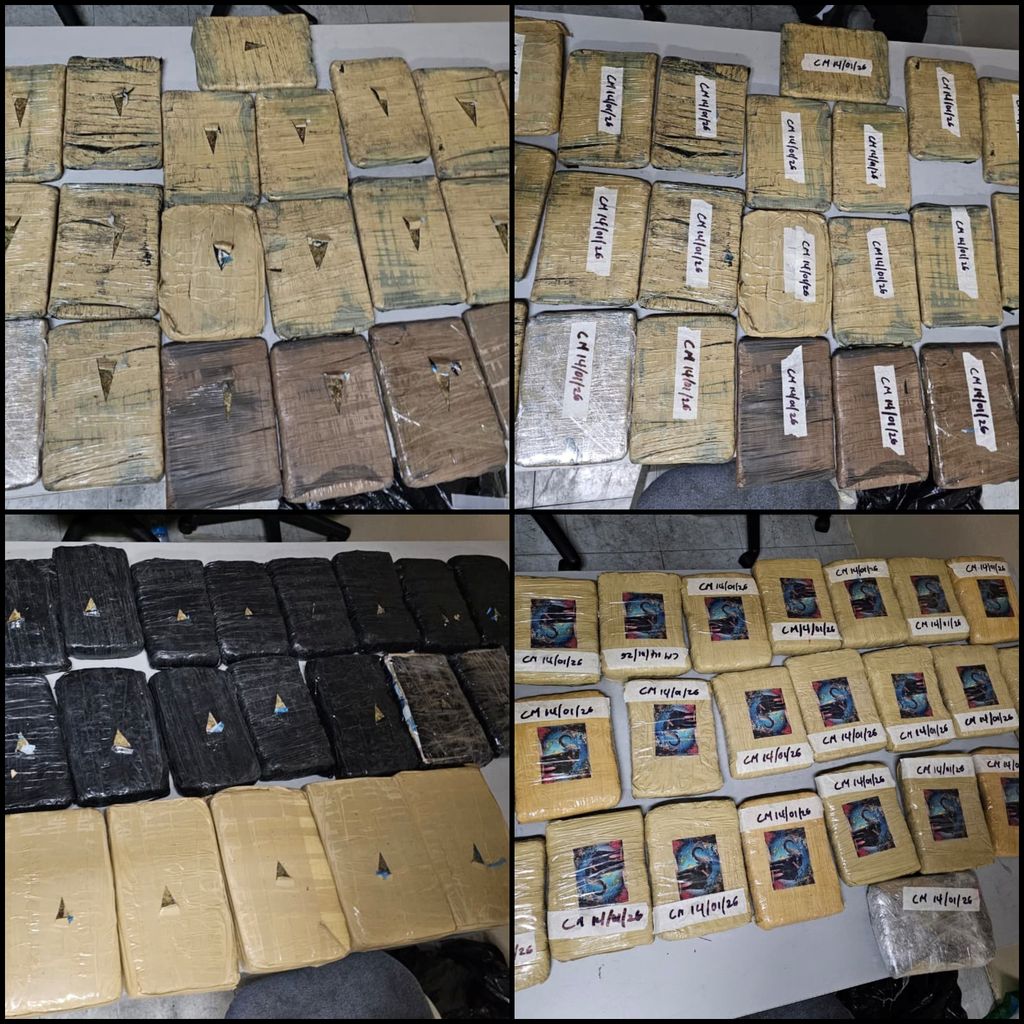
Police seize $8.6M in cannabis during Beetham raid
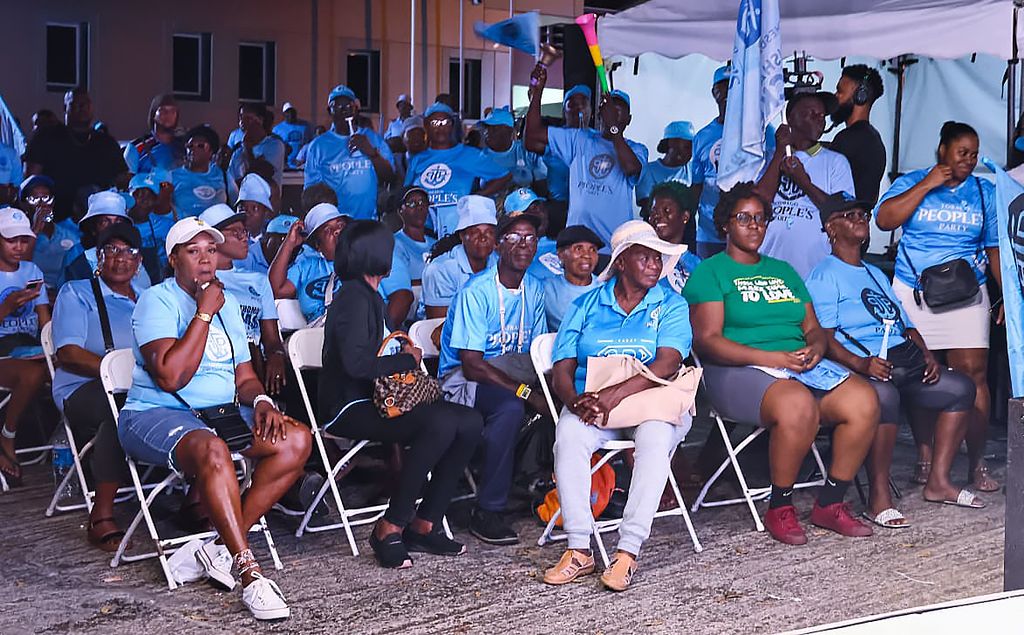
Political analysts: Voter turnout critical to decide who wins THA elections
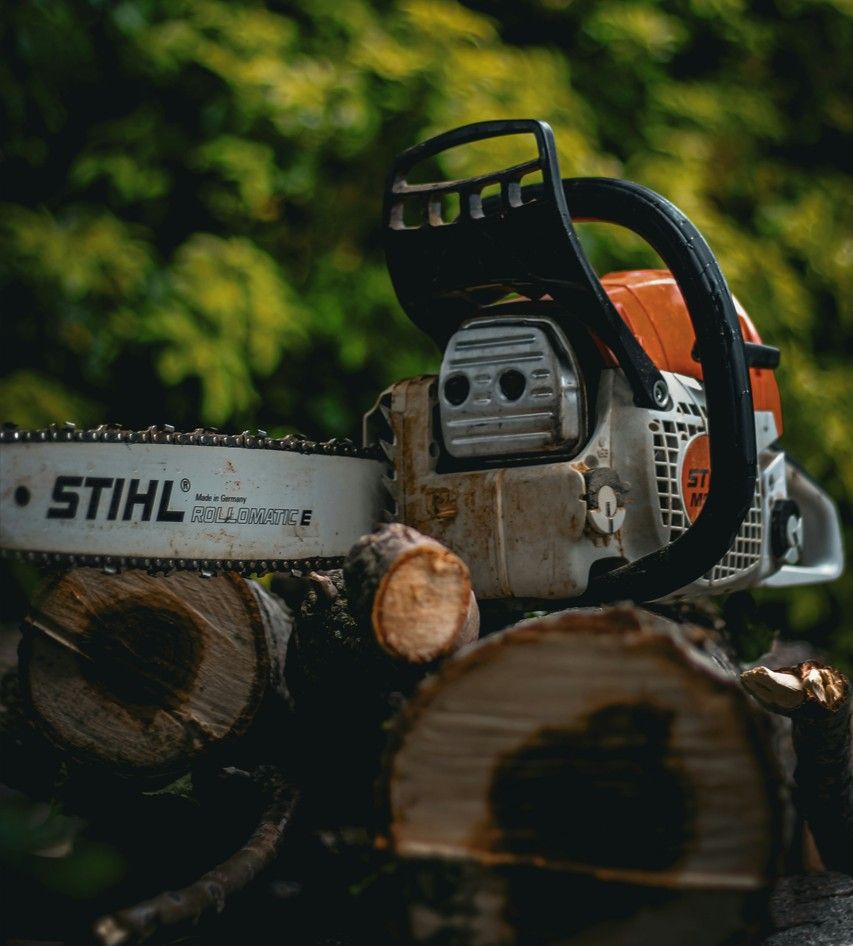
Sawmill owner killed by falling tree in Siparia
