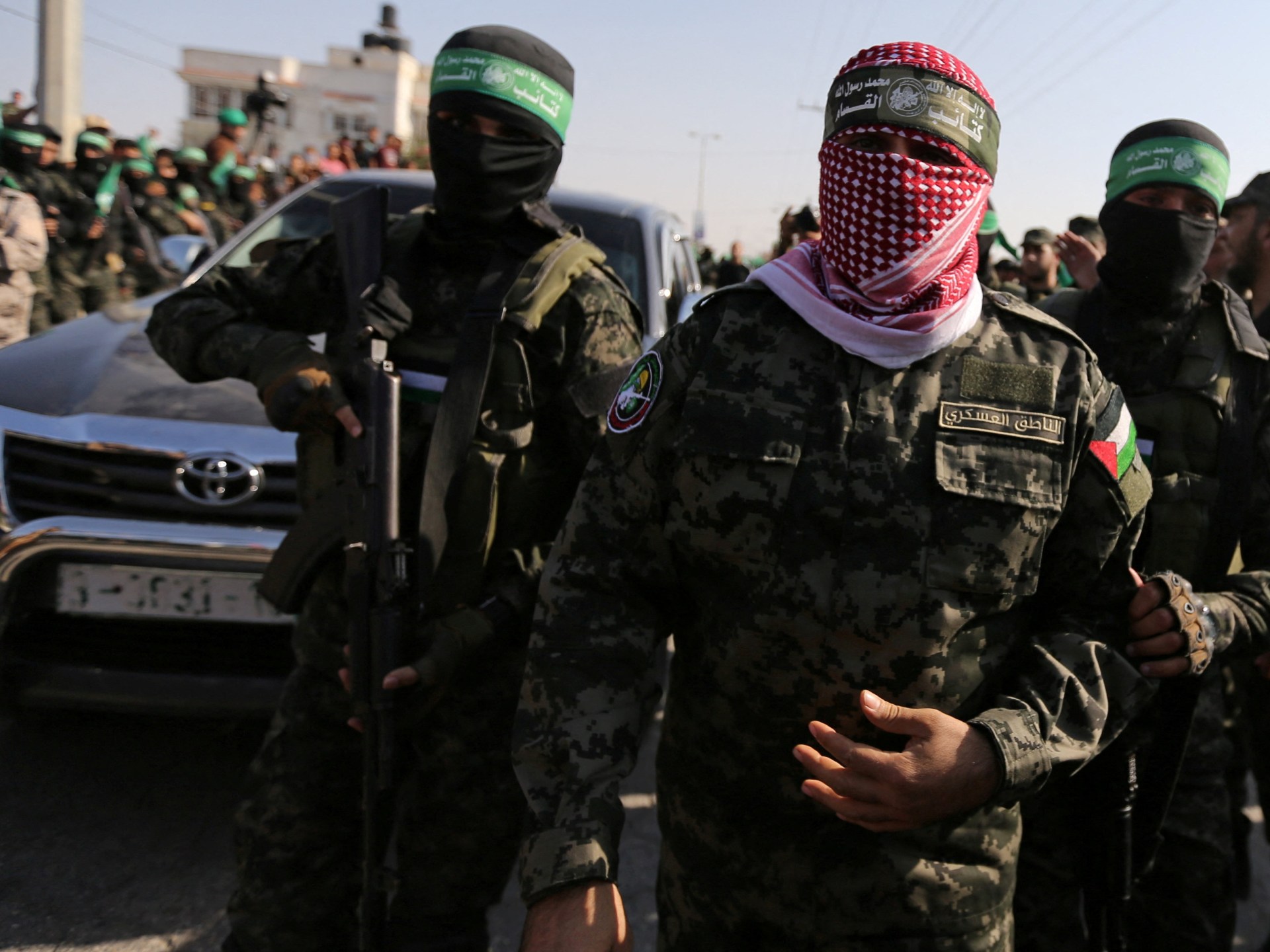

Hamas leaders and representatives of other Palestinian factions in Gaza are in the Egyptian capital Cairo for talks on the second phase of the United States-led Gaza ceasefire deal, amid a teetering ceasefire that Israel has repeatedly violated as its genocidal war continues.
Deep uncertainty remains over the next steps involving the disarmament of Palestinian armed groups in the Strip, rebuilding and daily governance.
An adviser to the head of Hamas’s political bureau told Al Jazeera on Thursday that discussions in Cairo are focusing on reopening the Rafah crossings, ensuring the entry of aid currently stockpiled on the Egyptian side of the border and securing an Israeli withdrawal.
However, the Israeli Public Broadcasting Corporation, known as Kan, reported that Israeli officials consider the so-called yellow line – a buffer zone in eastern Gaza – as a strategic area that will remain under Israeli control.
Israel’s current military occupation of Gaza is more than 50 percent of the besieged enclave.
The leaders of Palestinian armed groups were also scheduled to meet Bulgarian diplomat and politician Nickolay Mladenov, who will likely head the US-proposed Board of Peace. US President Donald Trump is expected to announce the names of about 15 world leaders who will become members of the transitional body in the coming days.
Palestinian Vice President Hussein al-Sheikh welcomed efforts to move ahead with the Gaza plan and argued that institutions in Gaza should be linked to those run by the Palestinian Authority (PA) in the West Bank, “upholding the principle of one system, one law and one legitimate weapon”.
Advertisement
In a joint statement, the other mediators of the ceasefire deal – Egypt, Turkiye and Qatar – called the announcement an “important development aimed at consolidating stability and improving the humanitarian situation in the Gaza Strip”.
They welcomed the establishment of the Palestinian technocratic committee set to administer the Gaza Strip and said it would be led by Ali Shaath, a former deputy minister in the PA.
The technocratic committee will be tasked with providing public services to the more than 2 million Palestinians in Gaza, but it faces towering challenges and unanswered questions, including about its operations and financing.
The United Nations has estimated that reconstruction will cost more than $50bn. The process is expected to take years, and little money has been pledged so far.
The US on Wednesday said it was launching the second phase of its plan to end the Gaza war.
Trump’s special envoy Steve Witkoff said it “establishes a transitional technocratic Palestinian administration in Gaza” and marks the beginning of “the full demilitarisation and reconstruction of Gaza, primarily the disarmament of all unauthorised personnel”.
The first phase has been shaken by issues including Israeli air attacks that have killed hundreds in Gaza, the failure to retrieve the remains of one last Israeli captive, and Israeli delays in reopening Gaza’s border crossing with Egypt.
In phase two, the US and other mediators will need to tackle the disarmament of Hamas – which has refused to give up its arms while Israel occupies the territory – and the deployment of an international peacekeeping force.
Witkoff said “the goal here is to create the alternative to Hamas that wants that peace, figure out how to empower them,” in a reference to the new committee of Palestinian technocrats as a new “government” for Gaza.
“And obviously, now that we have this government, we will be engaging in conversations: With Hamas on the next phase, which is demilitarisation; with Israel, on what amnesty program can be given to Hamas if they do this.”
There was no mention from Witkoff in the initial statement about Israeli withdrawal or allowing critical humanitarian aid and critical supplies into Gaza, which faces both daily Israeli attacks and extreme weather, with deaths from both.
Related News
Europe should prepare for Greenland’s annexation and end of NATO: Experts
‘We are stuck’: Young Ugandans want stability, opportunities on eve of vote
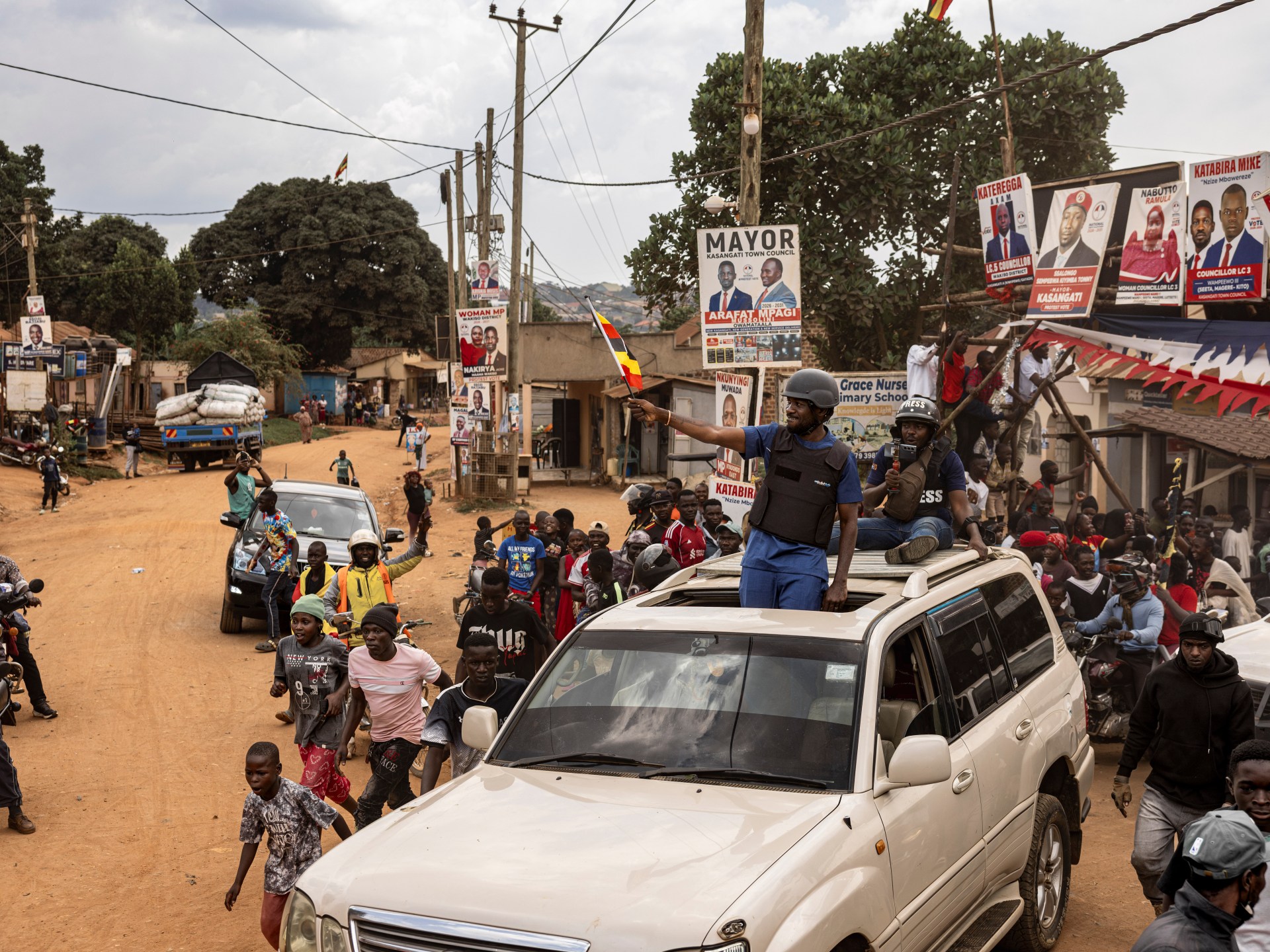
Polls open in Uganda amid crackdown, fears of violence, internet blackout