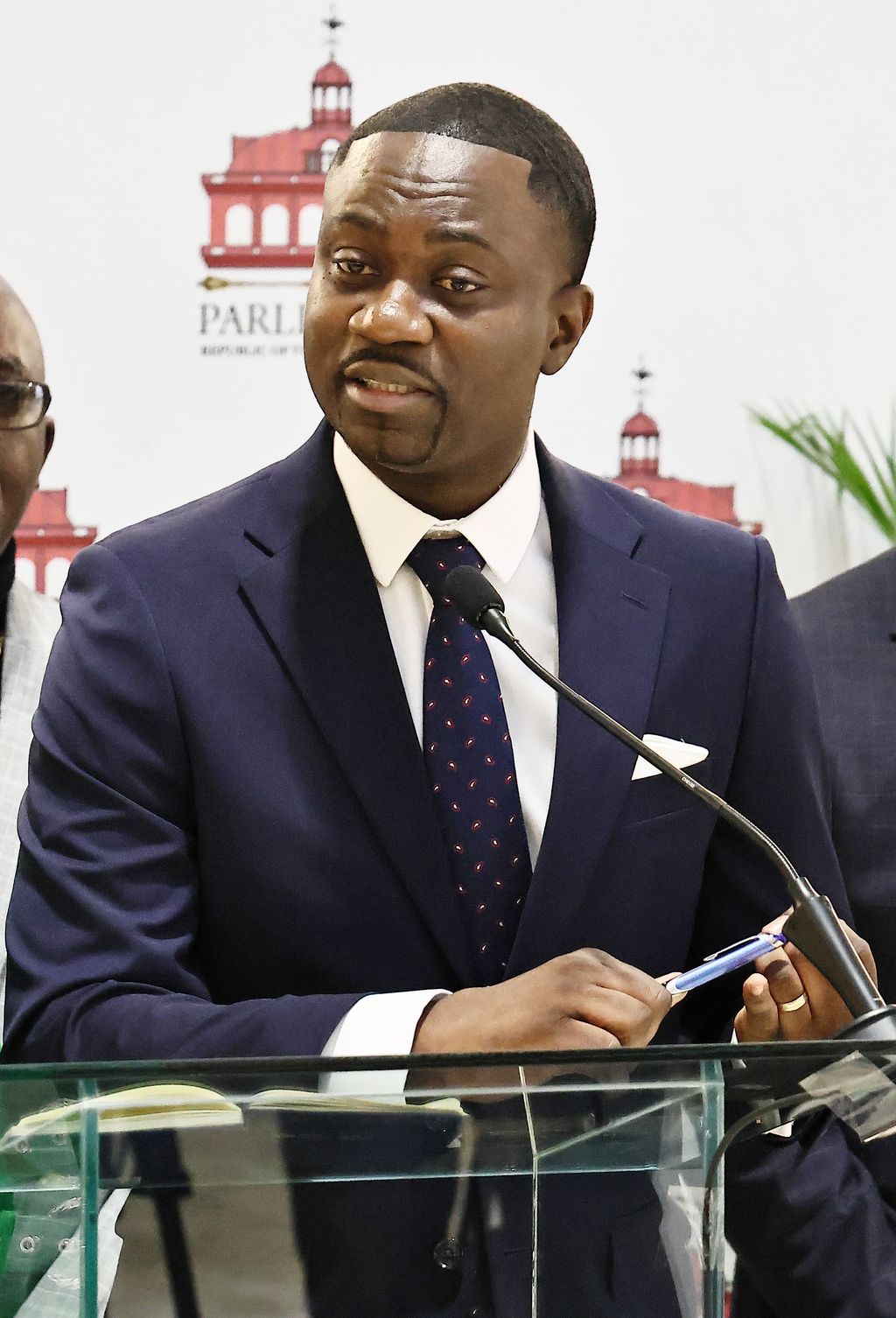
Former T&T Defence Chief calls for full disclosure on US military radar in Tobago
 30 November 2025

Senior Reporter
otto.carring[email protected]
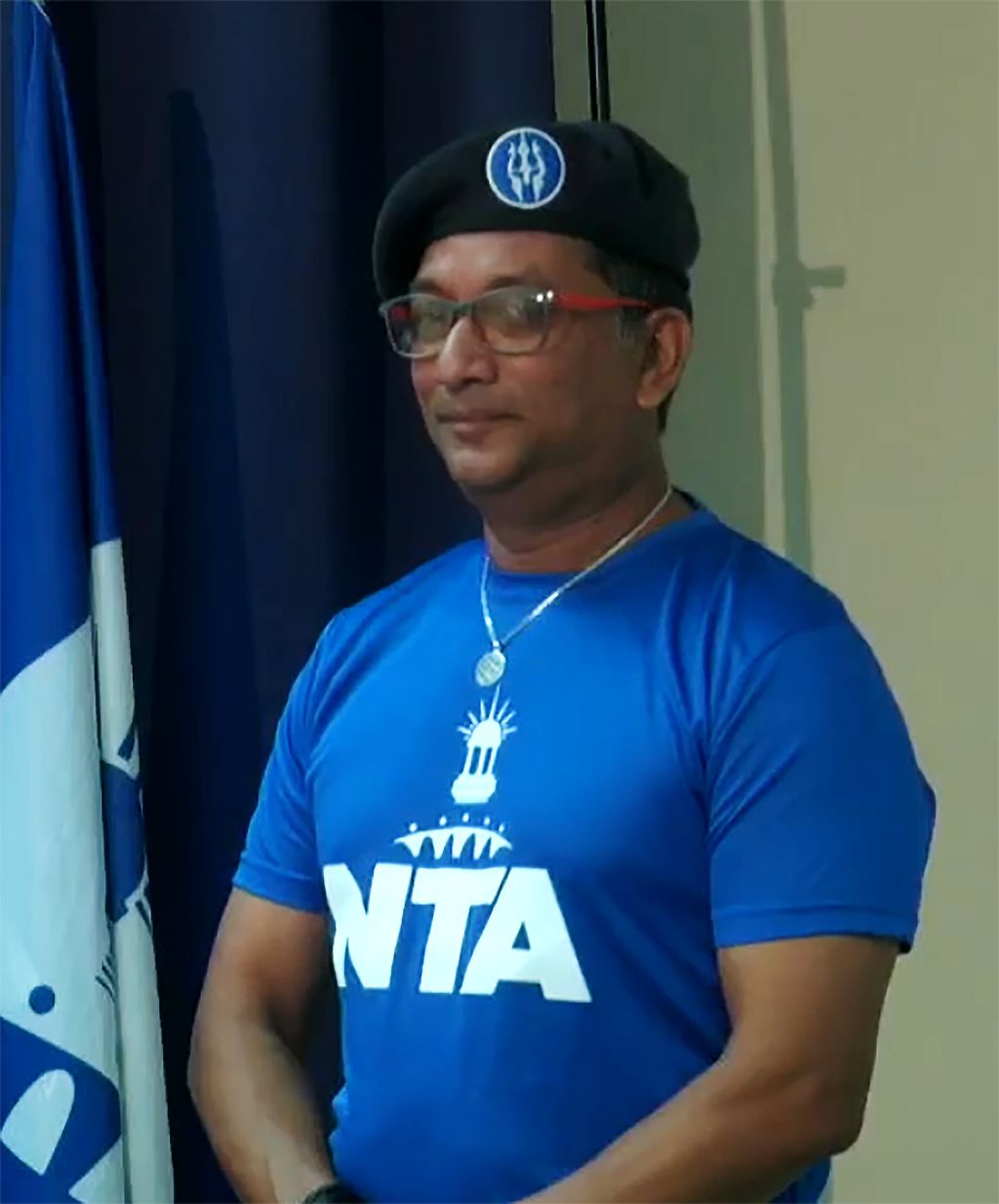
Former Trinidad and Tobago Defence Force Commander Norman Dindial is calling for full transparency from the Government following the installation of a US military radar system in Tobago.
Dindial, who is also the NTA’s political leader, said he was not satisfied with the responses given at Saturday’s press conference, where the Minister of Defence, Tobago’s Chief Secretary, and the Attorney General attempted to address public concern but declined to answer several key questions.
He said the minister’s position—that it was “not in the public interest” to disclose the powers under which US Marines operated during the radar installation—raises serious sovereignty issues.
“We are a sovereign country, and our people must know what powers foreign soldiers have while operating here,” Dindial said.
At the centre of the controversy is the Status of Forces Agreement (SOFA) between Trinidad and Tobago and the United States, the legal instrument governing US military personnel while deployed locally.
Dindial warned that speculation is growing because the Government has not released the updated agreement.
“A Freedom of Information request may be necessary to obtain the exact details of the SOFA,” he said.
“We have access to the previous SOFA. The only publicly stated change to the new one was the removal of the sunset clause. But the full document needs to be seen.”
Dindial explained that SOFA agreements typically give US troops and military contractors certain legal protections, including being subject to US law rather than local prosecution.
“It essentially makes US military law supersede our law,” he said.
“If something happens—murder, robbery, rape—Trinidad and Tobago will not prosecute. US military or domestic law takes precedence.”
He stressed that SOFA does not grant automatic permission for US forces to use local facilities, land, or airports for operations or installations.
“Using Crown Point Airport for the radar installation is not covered under SOFA,” he said.
“That kind of permission comes directly from the Government. The Prime Minister can approve or refuse access at any time.”
Dindial also pushed back against suggestions that Government is bound by what the previous administration signed.
“SOFA is not law. It’s a bilateral agreement,” he said. “Either country can withdraw. The Government does have a choice.”
He said the lack of clear public information is damaging trust.
“In a vacuum, people create their own theories. Perception matters,” he noted.
Dindial said the Government appears to be relying on “plausible deniability” by pointing to the SOFA instead of accepting responsibility for authorising the radar installation.
“Once people understand what the SOFA actually allows and what it doesn’t, things become clearer. But the Government has to explain their decisions openly,” he said.
Related News
CoP warns illegal quarrying fuels gangs and homicides
Venezuela condemns Trump’s threat as illegal and hostile

President Kangaloo urges innovation and integrity in public service