
Otto Carrington
As fighting edges closer to camps housing Trinidad and Tobago nationals in northeast Syria, WhatsApp messages circulating online describe fear, abandonment and the collapse of basic humanitarian support.
In one voice recording, a Trinidad and Tobago national in one of the camps says the area was plunged into darkness after three electricity generators were removed. The generators, supplied by private contractors and paid for monthly by residents, provided heat and power to tents.
“The war is pending, it’s very close by,” the voice says. “They provided three generators which we pay electric bills for each month. Anyway, they took those three generators and they ran away. So, we have absolutely no electric.”
Without power, residents cannot charge phones, access information, refrigerate food or medicines, or maintain consistent contact with the outside world. For many, mobile phones remain the only link to relatives, aid organisations and international attention.
“I don’t know when I’ll be able to reply to you all again,” the speaker adds, warning the message may be their last because their phone battery is running low.
“Right now, we’re just hoping that either, this situation comes down, or whether it’s war and we die, or the doors open somehow and we get out of here,” they say. “We have thoroughly given up hope in our country, and that’s just a sad reality.”
“I’m just sending my last messages out to let you all know what’s really going on,” the voice note said.
The message has spread across Trinidad and Tobago, heightening concern among families with relatives still trapped in the camps.
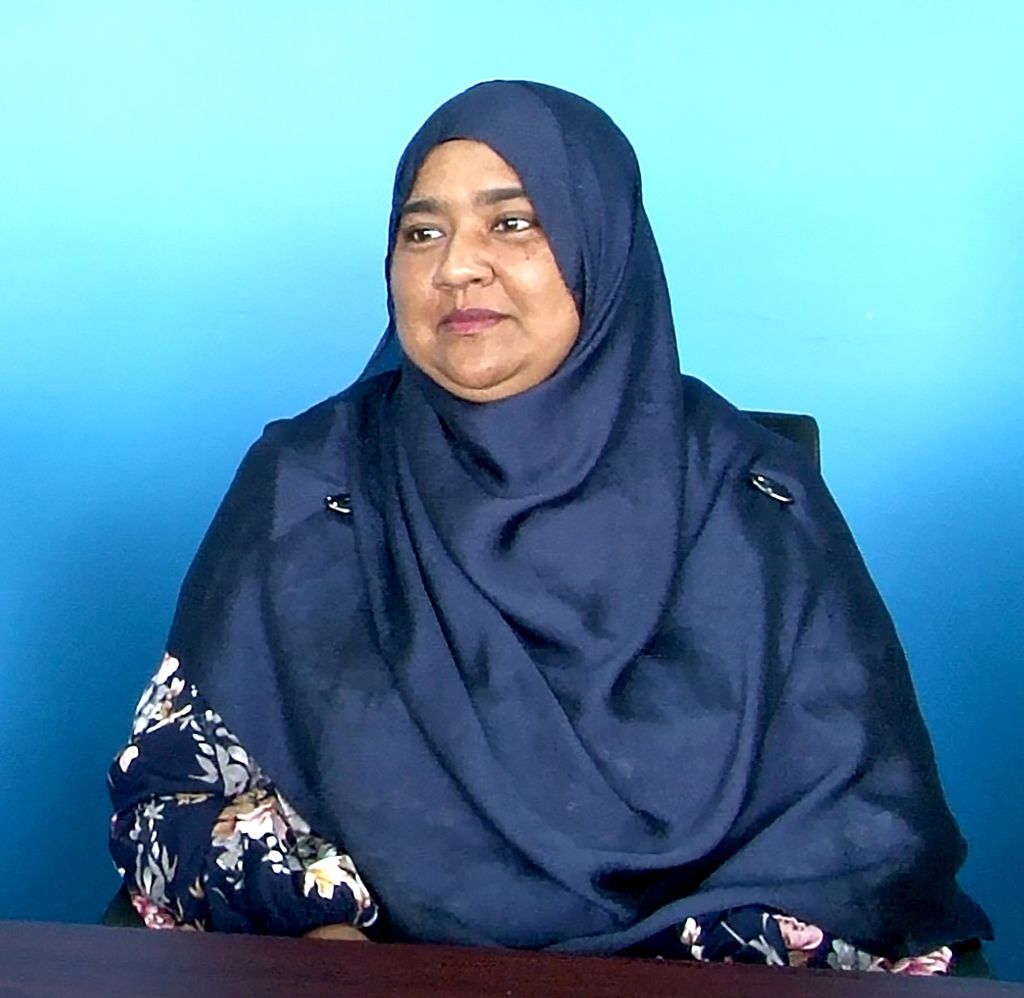
Raheema Khan, whose family members are among those stranded, said she first learned of the escalating situation through social media and news reports. She said women in the camp messaged her to say the generators were removed, leaving families in cold and darkness.
“It’s wintertime,” Khan said. “They need the generators for electricity and to keep their tents warm… to use their heater to keep their tents warm.”
Khan also said reports suggest the Syrian Democratic Forces, which controlled the camps and acted as the main negotiating body, have been defeated and that the Syrian government may now assume control.
“Now we don’t know what’s going on with the camps because they said the Syrian government will be taking over the camps,” she said. “And I do not know what this means for the women and children presently there now.”
Khan said any change in control could significantly alter the diplomatic landscape. She said the Trinidad and Tobago government had previously pointed to difficulties negotiating with the SDF as a major barrier to repatriation.
“The government was saying previously that they were having problems bringing these citizens home because they will not talk to our non-state actor,” Khan said. “But now that changes everything.”
She said if the Syrian government takes control, formal diplomatic engagement could become possible, including the issuance of travel documents.
“We should be able to get travel documents, and we should be able to bring them home,” she said.
Khan said relatives only became aware of the developments yesterday and have not yet been able to formally contact the Trinidad and Tobago government. She said she intends to reach out to the Prime Minister and the inter-ministerial committee, including Minister Sobers.
“I’m hoping for help,” she said. “Because it sounds to me from what I’m reading online that the US is closing down these camps.”
She also raised concern about reports that the Syrian government has begun opening prisons and releasing detainees.
“I don’t know if they decide to do that with Al-Roj now and they decide to just open the gates,” she said. “Because they are blocked around like a prison with gates and wires and everything.”
The Government has established an inter-ministerial committee to coordinate the repatriation of nationals stranded in Syria. The committee involves several ministries, including Foreign Affairs, Homeland Security and Legal Affairs, and is tasked with navigating diplomatic, legal and logistical challenges.
Khan said she believes the reported shift in control could make it easier for the committee to engage in formal talks and secure travel documents for those in the camps.
Guardian Media contacted Minister of Foreign Affairs and CARICOM Sean Sobers. He requested that questions be sent to him, but no response was received up to press time.
Related News
Pope Leo XIV meets with Venezuelan opposition leader María Corina Machado in a surprise a...
CAL: Airline was not evicted in Kingston

Health Ministry urges flu vaccination ahead of Carnival