
International relations experts are questioning the long-term benefits of Trinidad and Tobago joining the Americas Counter-Cartel Coalition through the Doral charter, raising concerns about its potential impact on Caricom relations and the longevity of the agreement under President Donald Trump.
The charter outlines a United States-led regional effort to dismantle drug cartels and transnational criminal gangs operating across the Western Hemisphere. It also aims to strengthen relationships with Latin American countries and reduce the influence of China, a foreign policy approach called the “Donroe Doctrine.”
The coalition is a partnership involving military leaders and representatives from 17 countries, including T&T and Guyana, who are committed to using coordinated security and military measures to combat organised crime.
Under the proclamation, the US and its allies will work together to deny cartels control of territory, cut off their financing and resources, and strengthen partner nation militaries through training and mobilisation.
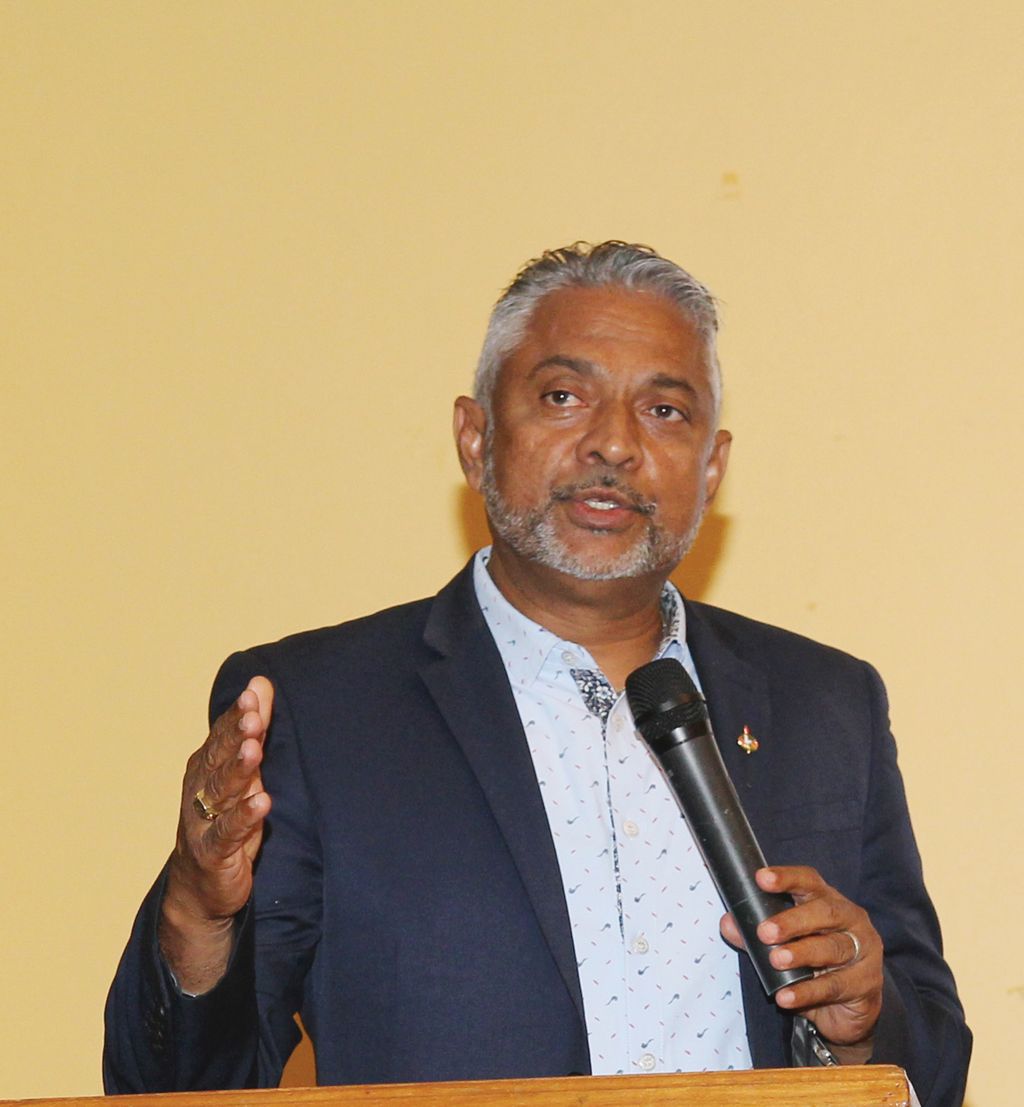
However, UWI lecturer and programme coordinator at the International Relations Institute, Dr Michał Pawiński, warns that T&T could face long-term diplomatic and strategic challenges after signing the agreement at the Shield of the Americas Summit over the weekend.
He said the summit could deepen divisions within Caricom, noting T&T and Guyana were the only two English-speaking Caribbean states invited to participate.
“In the long term, politically speaking, this is potentially damaging relations with Caricom member states for short-term possible economic benefits,” he said.
“But the question that should be asked is: at what expense to the long-term vision of the national interests of Trinidad and Tobago? Because President Trump will not be here permanently. There will be elections. There will be a new administration. And I’m pretty confident that the majority of the initiatives started by Trump, they will be just forgotten, including the Board of Peace and the Shields of the Americas summit. I don’t think this will survive beyond President Trump. So, then what’s next?”
He further suggested that T&T appears willing to align with the coalition’s more aggressive security posture, which emphasises the use of force against criminal networks. While such cooperation could bring some economic or strategic benefits, Pawiński said the drug war is largely a US concern, whereas T&T faces more pressing challenges in health, energy and food security.
He warned that close alignment with Washington could damage the country’s long-term international image and potentially make China more cautious about future investment.
“The Chinese will be more cautious, probably with any kind of investments, economic investments in the security sector, which is a domain for Americans.”
But former head of the UWI IR institute, Dr Anthony Gonzales, is uneasy about T&T seemingly drawing closer to the US, particularly under Trump’s leadership, whom he described as unpredictable in terms of long-term policy direction.
Gonzales is also concerned about the possibility of a US military presence or base being established in T&T as part of deeper security cooperation. He also raised concerns about the potential impact on relations with China.
“We have been able to build a lot of things from using loans from China and so on, and a lot of development assistance. And I don’t know the extent to which we may have to now turn our backs on the Chinese. That could probably have a negative effect,” he said.
“So, these are my concerns. I would be a little more cautious about getting involved in that coalition. I don’t mind the idea of getting closer to the United States to fight drugs in so far as they may be able to help you do that a bit better. But I’m a little concerned about our sovereignty and our independence in terms of American troops coming here and the effect that that may have on our country. Not to mention our relations with certain other countries.”
He added, “We seem to be leaving behind our Caricom brothers on this, and I would have thought that probably the best thing to do would have been to do it together with our Caricom neighbours. And to that extent, I feel at least a bit concerned, a bit worried.”
He was also critical of the coalition’s endorsement of lethal force against suspected narco-traffickers, saying he would have expected Prime Minister Persad-Bissessar, as a lawyer, to champion due process.
Efforts to contact Persad-Bissessar and ministers Sean Sobers, Barry Padarath and Nicholas Morris, who accompanied her on the trip, were unsuccessful yesterday.
In a response yesterday, the Chinese Embassy to T&T said it did not believe the PM’s signing of the agreement would affect relations between the countries.
“The Chinese side always regards Trinidad and Tobago as a good friend and a good partner, always respects Trinbagonian people and commits to equal treatment and mutual benefit with Trinidad and Tobago,” the embassy said.
“We have great confidence in the future of China-TT relations. No matter how the situation evolves, China stands ready to work with Trinidad and Tobago toward building a community with a shared future, and spreading more benefits of our comprehensive cooperative partnership to our peoples.”