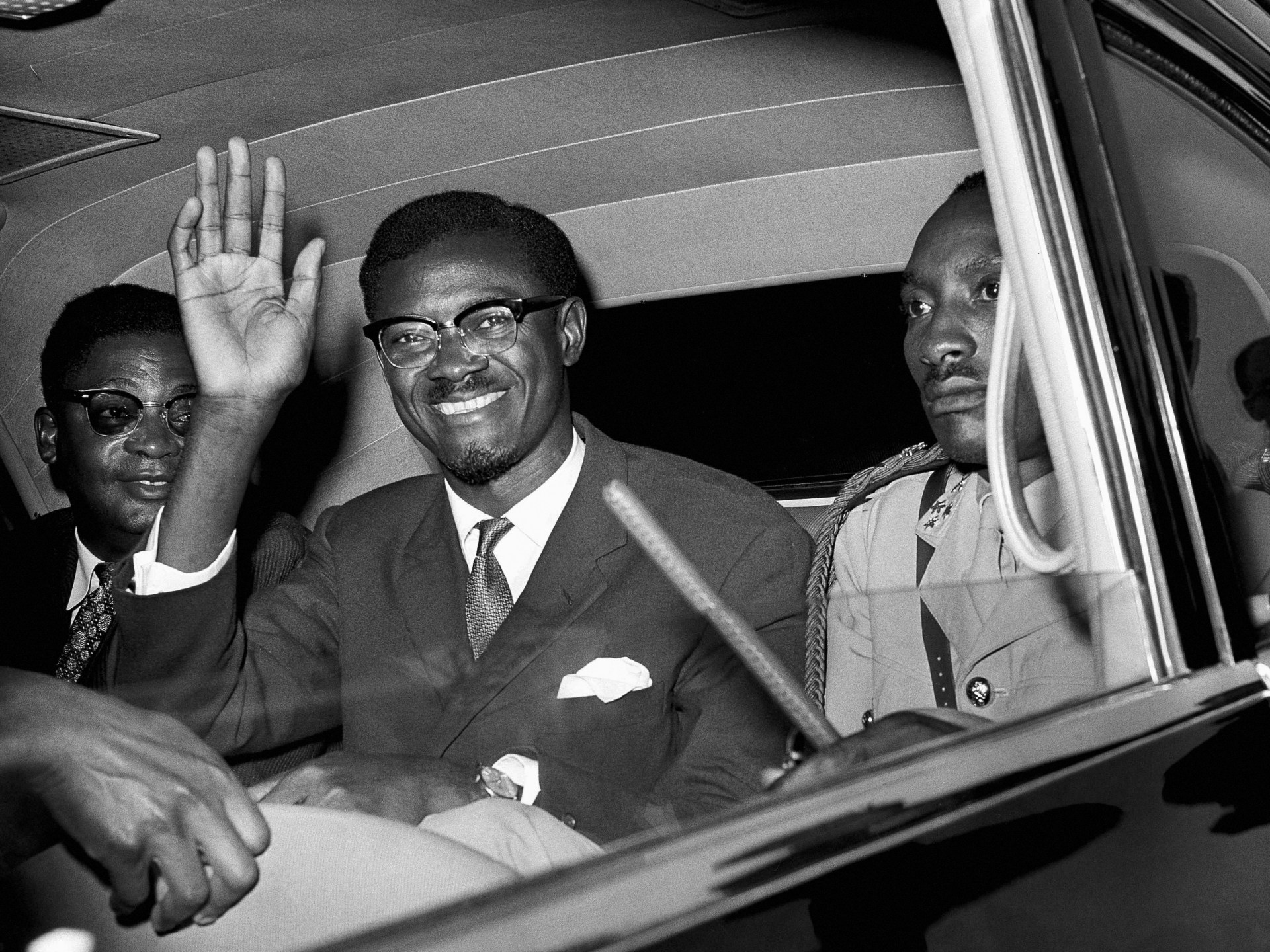

A 93-year-old former Belgian diplomat has been ordered by a Brussels court to stand trial over the assassination of Congo’s first prime minister and anti-colonial icon, Patrice Lumumba, in 1961.
Lumumba, who became the prime minister of the country – now known as the Democratic Republic of Congo – upon its independence from Belgium on June 24, 1960, was ousted in September of the same year and later killed by a Belgian-backed secessionist rebel group just months later on January 16, 1961.
- list 1 of 3Europe cannot condemn colonialism à la carte
- list 2 of 3Belgium’s Lumumba case raises a question Africa still avoids
- list 3 of 3Gustavo Petro: Colombia’s former rebel fighter turned president
end of list
But in 2002, a parliamentary investigation found that Belgium was “morally responsible” for Lumumba’s death.
On Tuesday, Etienne Davignon, 93, a former European commissioner who was a junior diplomat at the time, stands trial over his death, marking the first trial related to the murder of Lumumba.
He is also accused of being involved in the murder of Lumumba’s political allies, Maurice Mpolo and Joseph Okito.
According to prosecutors, Davignon, who is accused of war crimes, had participated in the unlawful detention or transfer of Lumumba and deprived him of his right to an impartial trial.
Prosecutors added that Davignon had subjected Lumumba to “humiliating and degrading treatment”.

If the trial goes ahead, Davignon would be the first Belgian official to face the courts in 65 years since the prime minister was killed and his body was dissolved in acid.
Advertisement
While 10 people were accused of being complicit in the murder of Lumumba, Davignon is the only suspect alive.
Lumumba’s family members brought the case, which Belgian federal prosecutors have since taken up.
His granddaughter Yema Lumumba told the Reuters news agency after the ruling that it was a “step in the right direction”.
“What we want is to search for truth and establish different responsibilities,” she added.
The family’s lawyer, Christophe Marchand, also told the AFP news agency that “It’s a gigantic victory”.
“No one believed when we first brought the case in 2011 that Belgium would prove capable of seriously investigating this,” he said, adding: “It’s very hard for a country to judge its own colonial crimes.”
As African countries pushed for independence from their European rulers in the 1960s, Lumumba rose as an anti-colonial hero, though his government lasted only three months.
At just aged 35, Lumumba was executed in the southern region of Katanga, with the support of Belgian-backed mercenaries.
The only known remains of the killed leader, a single gold-capped tooth, were taken from the daughter of a deceased Belgian officer who was involved in the disappearance of his remains.
During a ceremony in 2022, his remains were returned in a coffin to DRC’s authorities.
During the handover, then Belgian Prime Minister Alexander De Croo reiterated the government’s “apologies” for its “moral responsibility” in Lumumba’s disappearance.
Related News

Hamas urges Iran to halt attacks on Gulf, slams aggression on Tehran

Iran says will attack any ship trying to pass through Strait of Hormuz
Elementary school in Tehran hit, Iran’s foreign ministry says