Energy Chamber promises ‘comprehensive governance review’; hopes for ‘collaborative reset’ with Govt
 26 January 2026

GEISHA KOWLESSAR-ALONZO
Senior Multimedia Journalist
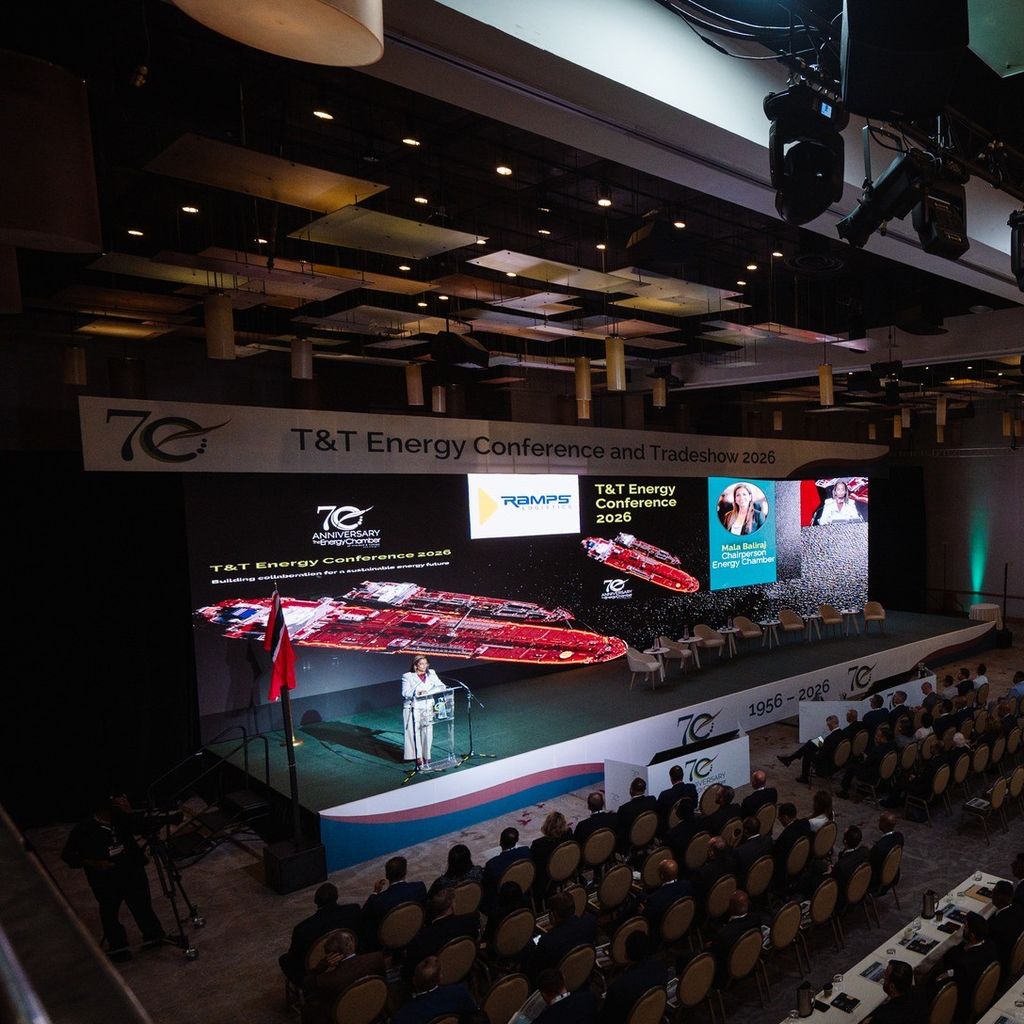
The T&T Energy Chamber opened its 2026 conference by directly addressing criticism from the government, pledging a "comprehensive review" of its operations after Prime Minister Kamal Persad-Bissessar and state enterprises withdrew their support from the flagship event.
In her opening remarks, chair Mala Baliraj moved immediately to tackle allegations that the organisation has become an elitist club dominated by multinationals.
The move follows a scathing assessment by PM Persad-Bissessar, who recently labelled the Chamber "self-serving" and instructed state-owned entities—including Heritage Petroleum and the National Gas Company (NGC)—to boycott the three-day summit.
Central to the conflict is the Safe To Work (STOW) certification, which the government recently moved to terminate as a mandatory requirement for state projects.
The Prime Minister had accused the Energy Chamber of weaponizing the safety programme to extract high fees from small local contractors, effectively barring them from the energy sector.
"We have listened to the message in the spirit of constructive feedback," Baliraj told delegates at the Hyatt Regency adding, "We acknowledge that some stakeholders believe the STOW programme has served as a barrier to the ability of small contractors to do business. We are committed to a collaborative approach to reposition this space."
She also countered that the 400-member organisation spans the entire economic spectrum, from global corporations to micro-enterprises.
However, recognising that "perception is reality" in the eyes of the public and the state, Baliraj announced an immediate review of internal governance.
"We must ensure that the perception is not, in fact, due to reality," she stated, promising to recommit to a "fair and balanced representation" that ensures smaller service companies have a tangible voice in the chamber’s strategic direction.
Despite the political rift, the conference highlighted a period of intense activity in the local energy landscape.
The Chamber pointed to several major milestones as evidence of the sector’s resilience:
● Deepwater Revival: The licensing of an ultra-deepwater exploration block to ExxonMobil has reignited global interest. The seismic vessel Amazon Warrior is reportedly preparing to begin a five-month 3D survey of the block this week.
● Renewable Milestones: The Brechin Castle Solar Farm, the largest in the English-speaking Caribbean, has officially begun feeding green electrons into the national grid.
● Gas Production: Progress remains steady on Shell’s Manatee project and bpTT’s Cypre development, both of which are critical to maintaining the country’s natural gas supply.
Baliraj noted that while the government's absence is felt, the industry’s daily operating reality requires high-quality safety practices that "protect lives and ensure workers return home to their families."
The conference continues through Wednesday, with the Energy Chamber expressing hope that a "collaborative reset" with the State could be achieved before the conclusion of the 2026 calendar.
Related News
Mas bands report steady sales ahead of Carnival despite rising costs
New Caricom chair signals openness to talks with T&T PM

Fear and anger spread after another immigration shooting in Minneapolis