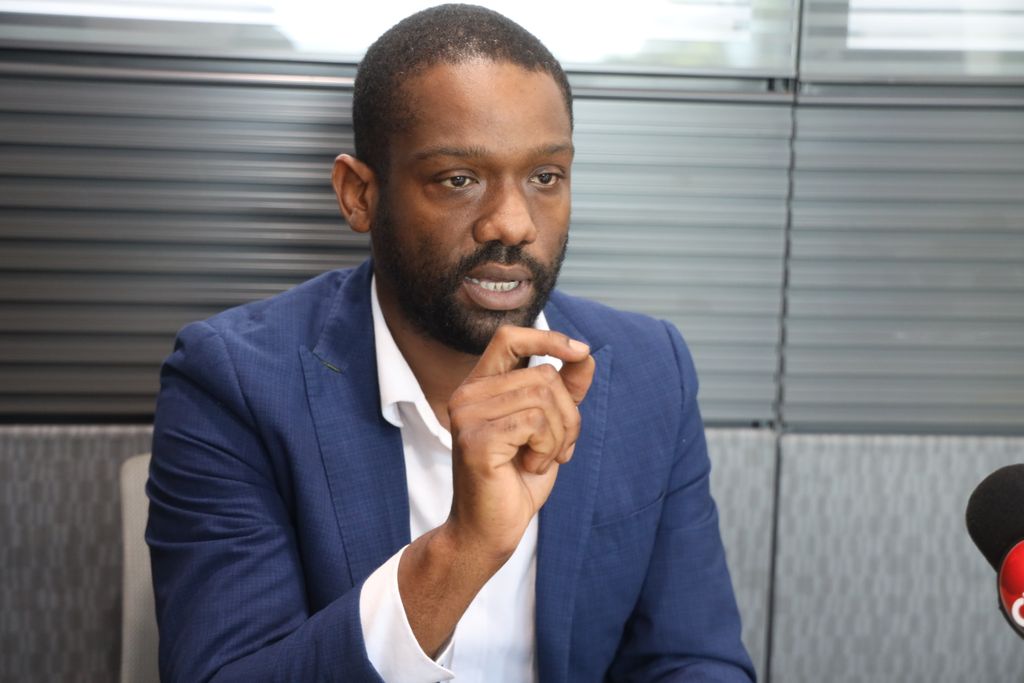
Education ministry says schools cannot deny access to classes over hairstyles
 19 January 2026
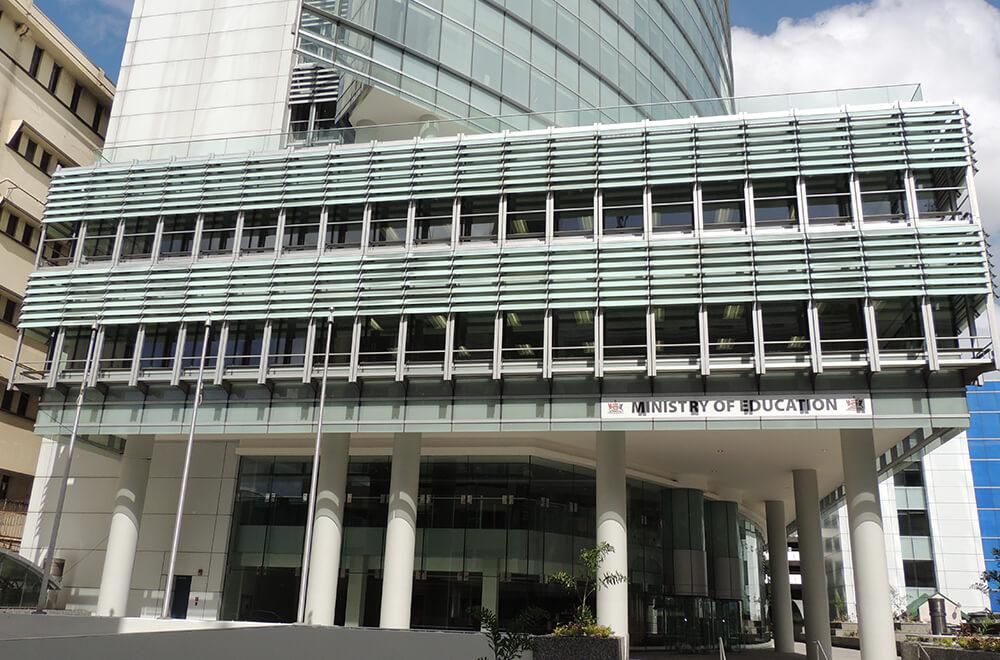

The Ministry of Education has moved to clarify its position on student hairstyles after an image, allegedly from a secondary school, circulated widely on social media outlining strict grooming rules and showing examples of hairstyles described as “not accepted”.
The image, titled School Rules 2026, lists detailed restrictions on hair length and styles for female students, including limits on bun size and bans on certain natural hairstyles.
In a statement issued in response, the ministry said the National School Code of Conduct does not prescribe or prohibit specific hairstyles.
The Ministry of Education says schools must not exclude students from classes or school activities because of their hairstyle or grooming, stressing that any rules must be reasonable, non-discriminatory and in the best interest of the child.
The ministry said schools are allowed to establish rules on uniform and grooming to support order, safety and discipline, but stressed that these rules must be applied fairly and consistently and must not result in humiliation, exclusion or denial of access to learning.
Education Minister Dr Michael Dowlath said: “Our approach is clear: schools may set grooming guidelines, but they must be reasonable, respectful, and never deny a child their right to education.”
Related News
Fear and anger spread after another immigration shooting in Minneapolis
Newsday moves to wind up after 32 years

APT James to return to sea bridge Jan 9