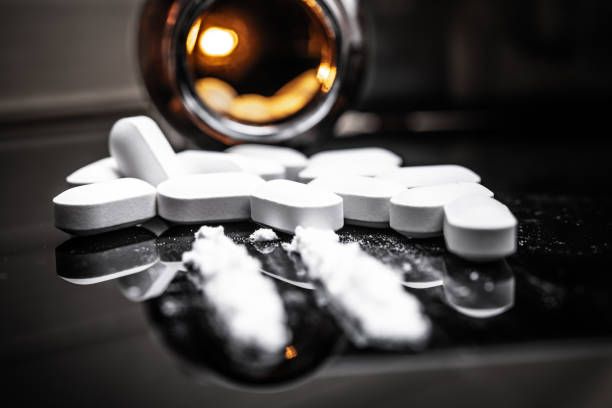

A new study released by the Pan American Health Organization (PAHO) has found that drug use disorders are a major and growing public health problem in the Americas, including the Caribbean.
It said that drug use is among the top 10 risk factors contributing to all-cause mortality and disability in the region.
PAHO said that in 2021, an estimated 17.7 million people in the Americas were living with a drug use disorder, resulting in nearly 78,000 deaths directly attributable to these disorders, representing a mortality rate four times higher than the global average.
The new study, based on analyses of data from the Global Burden of Disease 2021, revealed that drug use disorders are primarily underpinned by opioid use and disproportionately affect young men.
Opioid use disorders accounted for more than 75 per cent of all drug use disorder–related deaths. Disability-adjusted life years (DALYs) linked to drug use disorders nearly tripled between 2000 and 2021, increasing at an average rate of almost five per cent per year. Young adults, particularly men, experienced the highest burden, while deaths among women also increased, raising additional concern.
“Drug use disorders are a preventable and treatable public health problem, yet they are taking an increasing toll on families and communities across our region,” said PAHO Director Dr. Jarbas Barbosa.
“Countries must urgently scale up evidence-based prevention, treatment, and harm reduction services—especially for young people and those at higher risk.”
PAHO said that the landscape of drug use disorders varies significantly across the region. In North America, the study highlights a sharp increase in disorders related to opioids—particularly highly potent synthetic opioids such as fentanyl—as well as amphetamines.
In contrast, the main contributors to drug use disorders in the Caribbean, Central America, and South America over the past decade have been cannabis and cocaine use.
The authors estimate that 145,515 all-cause deaths in the Americas in 2021 resulted from conditions such as opioid overdose, liver cancer, cirrhosis, and suicide attributable to drug use.
This places drug use among the top 10 risk factors contributing to mortality and disability in the region, alongside high blood pressure, high body-mass index, dietary risks, and tobacco use.
PAHO said significant increases in opioid and amphetamine use disorders were observed during the COVID-19 pandemic. It said crisis-related stress, disruptions in health services, and social isolation may have intensified existing vulnerabilities and contributed to the increase in drug-related deaths during this period.
PAHO said that the study’s findings underscore critical gaps in prevention, access to treatment, and harm reduction services across the Americas.
It is urging countries to strengthen drug prevention programs targeting youth and high-risk populations; expand access to treatment and harm reduction, including medication-assisted treatment for opioid use disorders; integrate substance use services into primary health care and community-based services; improve surveillance and data systems to detect emerging trends, particularly those involving synthetic opioids and combined drug use; and ensure gender-responsive approaches, given the growing burden among women.
PAHO said tools such as the Alcohol Use Disorders Identification Test (AUDIT) and the Alcohol, Smoking and Substance Involvement Screening Test (ASSIST), developed by the World Health Organization (WHO), are recognized as cost-effective strategies to reduce harm and close the treatment gap.
“We must place mental health and substance use care at the centre of our health systems,” said Dr. Renato Oliveira E Souza, chief of the Mental Health and Substance Use Unit at PAHO.
“Community-based, people-centred services, supported by strong public health leadership and national strategies informed by epidemiological patterns, can reverse these trends and save thousands of lives across the Americas.” —WASHINGTON (CMC)
Related News

TTPS: No charges laid under new fireworks law

Tobago records first murder for 2026
Rubio ‘anticipates no further action in Venezuela’ with Maduro’s capture