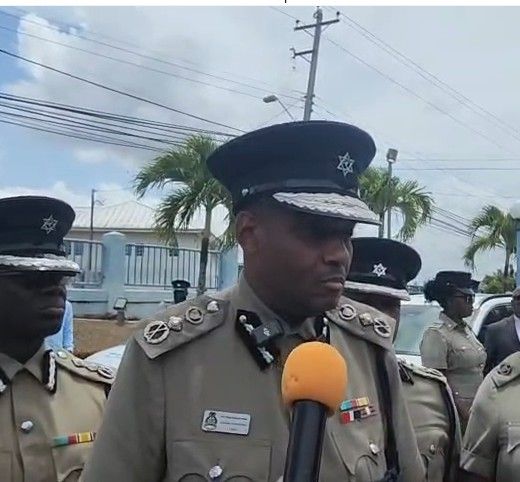

Police Commissioner Allister Guevarro has addressed criticism surrounding the policing of protests during the SOE, rejecting claims that officers have treated some demonstrations differently from others.
“That is very far from the truth,” he said while speaking to reporters in Tobago this morning.
Guevarro pointed to demonstrations held following the police-involved shooting death of Joshua Samaroo, saying officers had facilitated several protests before intervening when organisers breached the emergency regulations.
“I want to draw particular attention to the Joshua Samaroo protest. That protest actually had about 15 or 16 protest demonstrations in front of police stations prior, but they were all held within the law and they were all done in the right way.”
“Thus, when it reached to the point of it becoming adversarial and against what the emergency powers regulation dictates, that is when the police had to step in and take decisive action.”
However, the TTPS had previously issued a public advisory concerning protests at police stations. In a March 25 release, the service reminded citizens that public assemblies must comply with the law, remain peaceful and avoid obstructing police operations or threatening public safety.
The advisory was issued amid a series of demonstrations following the February 1 fatal police shooting of Joshua Samaroo and the wounding of his wife, Kaia Sealy. During one protest outside the office of the Commissioner of Police on February 5, organisers called for Guevarro’s resignation and greater accountability from the TTPS.
In the March advisory, the TTPS also said that any organised march required a permit from the Commissioner of Police under the Summary Offences Act and warned that gatherings obstructing access to police facilities or disrupting operations could be dispersed.
Asked about the process for demonstrations, Guevarro appeared to take a different position.
“As it was bandied about into the public, you don’t really need permission to protest. What you do, you notify the Office of the Commissioner of Police.”
He added: “In some cases, some people have a sporadic protest, but there are means and ways in which you protest that could be offensive to the law and that is what we are trying to prevent.”