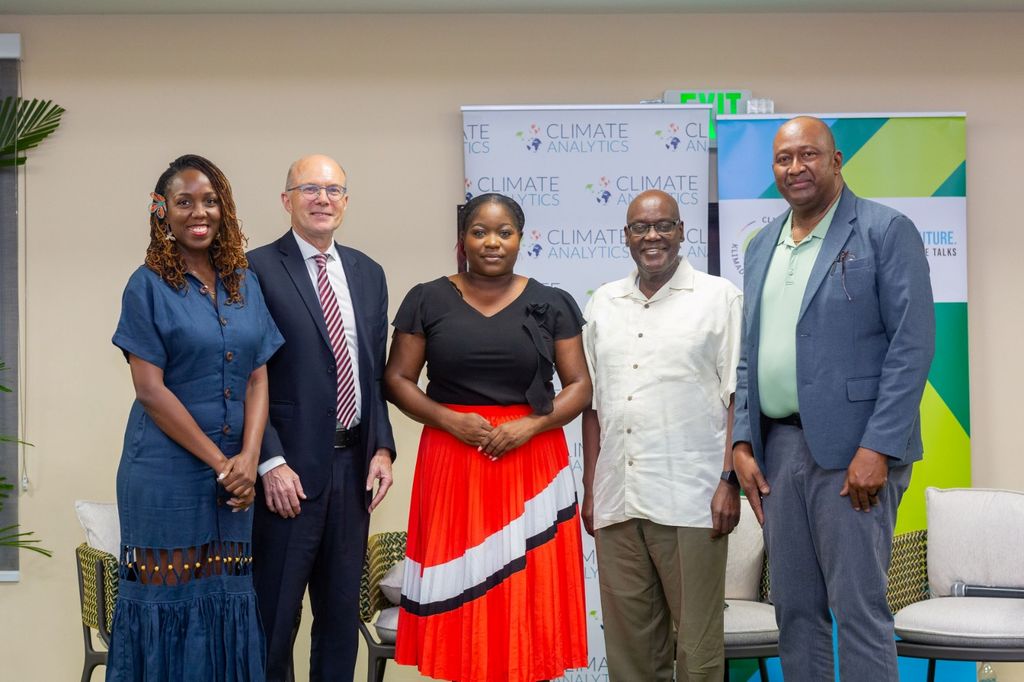

Regional and international climate representatives met in Grenada on December 4th for the third German-Caribbean Climate Talks, where participants examined the outcomes of COP30 and outlined steps needed to advance Caribbean resilience. The meeting took place at the Radisson Hotel in Grand Anse and included ambassadors, technical officials, youth advocates, and civil society leaders. The talks followed continued recovery efforts in Grenada after Hurricane Beryl in 2024.
The event was hosted by His Excellency Dr. Christophe Eick, Ambassador of the Federal Republic of Germany and Special Envoy for Climate Issues in the Caribbean. Ambassador Eick pointed to the role of small island developing states in international climate negotiations and noted Germany’s support for the region.
Ambassador Eick stated that Germany had entered more than EUR 30 million in new cooperation agreements with CARICOM and remained a leading contributor to the Adaptation Fund. He added that the global community, particularly the largest emitters, must accelerate climate action to keep the 1.5°C target within reach.
UNFCCC Executive Secretary Simon Stiell participated virtually. Stiell said COP30 showed that progress was possible through multilateral cooperation but noted that ambition needed to be matched by support for vulnerable regions, including Caribbean states recovering from hurricanes Beryl and Melissa.
Director of Climate Analytics Caribbean Rueanna Haynes gave an analysis of COP30 outcomes. She identified key decisions such as tripling adaptation finance by 2035, establishing a mechanism under the Just Transition Work Programme, and launching the Global Implementation Accelerator. Haynes said implementation must advance at a new pace.
During a panel discussion, Ambassador Safiya Sawney, Special Envoy and Ambassador for Climate of Grenada, and Senior Ocean, Biodiversity, and Climate Policy Specialist for SIDS, called for stronger collective action within CARICOM. Sawney said the region must present unified positions to influence global decisions.
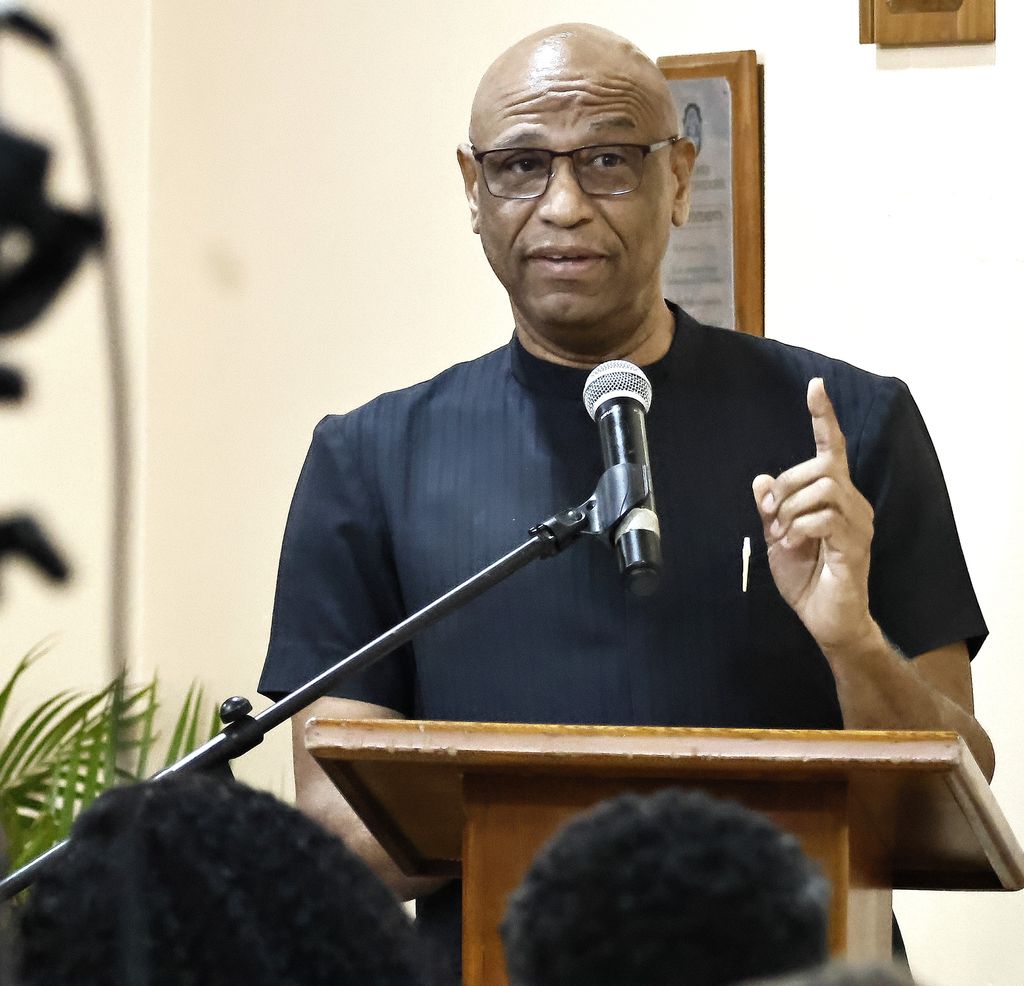
Ambassador Dr. Spencer Thomas, Grenada’s Ambassador and Special Envoy for Multilateral Environmental Agreements and Lead Negotiator for Climate Change and Biodiversity, said consistent climate finance remained the central challenge. He said COP30 provided elements of a framework, but global partners must honour commitments.
Grenada’s National Coordinator of the Caribbean Youth Environment Network, Abigail Ellis, said youth groups required access, investment, and opportunities to contribute to national and regional climate action.
Audience members raised questions on accountability for large emitters and regional legal strategies. The dialogue concluded that while COP30 offered progress, increased global action was necessary to support Caribbean resilience.