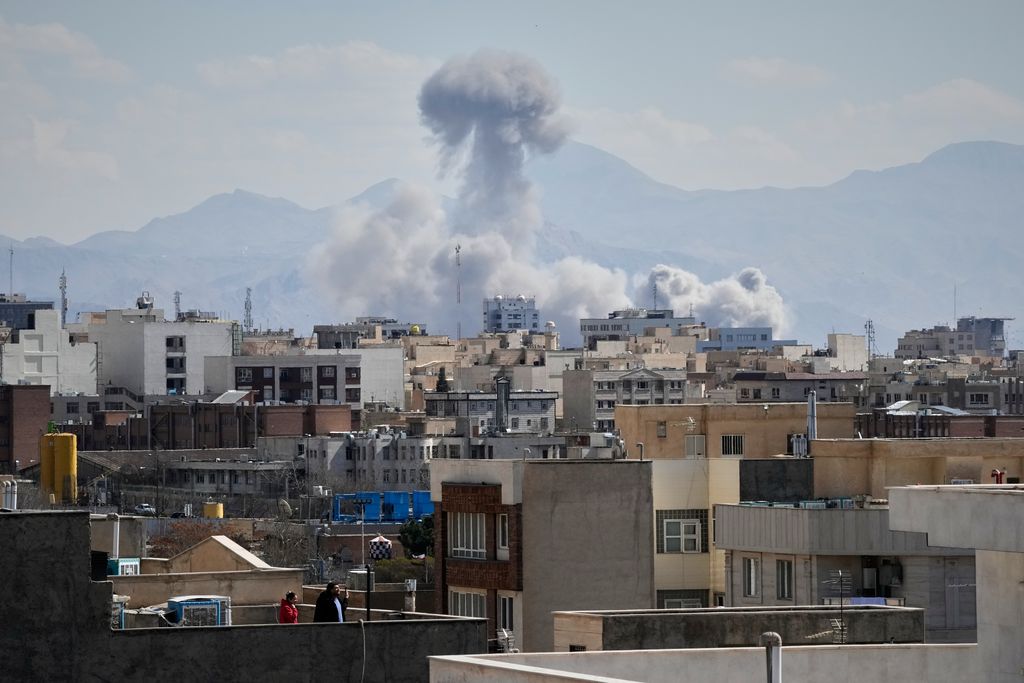

Caricom governments have urged restraint and diplomacy following the escalation of hostilities in the Middle East, as Trinidad and Tobago signalled support for the United States’ military action against Iran.
While Port of Spain aligned itself with Washington, several regional governments adopted a more cautious posture centred on de-escalation and negotiations. Guyana, however, issued a sharper condemnation of Iran’s actions.
Guyana
Guyana’s Government described what it called the “unprovoked attack by Iran” on the Kingdom of Bahrain, the United Arab Emirates, Qatar and Kuwait as unjustified and in breach of international law.
In a February 28 statement issued by the Ministry of Foreign Affairs and International Cooperation, Georgetown condemned the attacks on those sovereign states and called upon all parties to de-escalate in the interest of peace and stability in the region.
Guyana expressed full solidarity with the governments and peoples of Bahrain, the United Arab Emirates, Qatar and Kuwait and condemned all actions by Iran in attacking those countries.
Antigua and Barbuda
Prime Minister Gaston Browne expressed deep concern over what he described as a “rapid and dangerous escalation of hostilities” in the Middle East, including reported missile attacks by Iran directed at the territories of the United Arab Emirates and other Gulf states.
With regard to the attacks on the United Arab Emirates, Qatar and other Gulf states, Antigua and Barbuda condemned attacks against the territorial integrity of states not directly party to a conflict, describing such actions as a serious breach of international law which heightens the risk of widening instability.
Browne said the Iranian leadership must understand it has no option but to engage in good-faith negotiations to address issues of regional security. He reaffirmed support for the sovereignty and territorial integrity of all nations and urged maximum restraint by all actors.
Antigua and Barbuda joined calls by the international community, including the United Nations Secretary-General, for renewed diplomatic engagement to prevent further deterioration and uphold the rule of law.
Grenada
In a statement dated March 1, the Government of Grenada expressed deep concern over the recent escalation of hostilities and reports of retaliatory actions affecting parts of the Gulf region, warning of widened instability and dangers to civilian lives and infrastructure.
St George’s urged all parties to refrain from further actions which could heighten regional instability or exacerbate humanitarian suffering. It called for maximum restraint and avoidance of further military action which could broaden the conflict.
Grenada reaffirmed the importance of respecting sovereignty and territorial integrity in keeping with the principles of the United Nations Charter. It said dialogue, diplomacy and de-escalation remain the only viable pathways toward restoring stability and preventing further humanitarian impact.
Jamaica
The Ministry of Foreign Affairs and Foreign Trade in Jamaica said it was monitoring military hostilities in the Middle East and advised Jamaicans to avoid all travel to the region at this time.
The statement stopped short of endorsing any side, focusing instead on consular guidance and the safety of nationals.
Barbados
The Government of Barbados also expressed deep concern over the escalation, warning that military action affecting multiple countries in the Middle East has the potential to undermine international peace and security.
In its statement, Bridgetown joined United Nations Secretary-General António Guterres in condemning the military escalation and called on all member states to respect their commitments under international law. Barbados urged restraint and a return to dialogue and diplomatic solutions alongside Gulf Cooperation Council member states and other affected countries.
The government expressed sympathy for those affected by the violence and extended condolences to families who lost loved ones.