
RADHICA DE SILVA
Senior Multimedia Reporter
radhi[email protected]
Founder of Autism United TT, Annisa Khan-Mohammed, is urging authorities to place more teacher aides in schools to better support children on the autism spectrum, saying gaps in the education system continue to place strain on both students and parents.
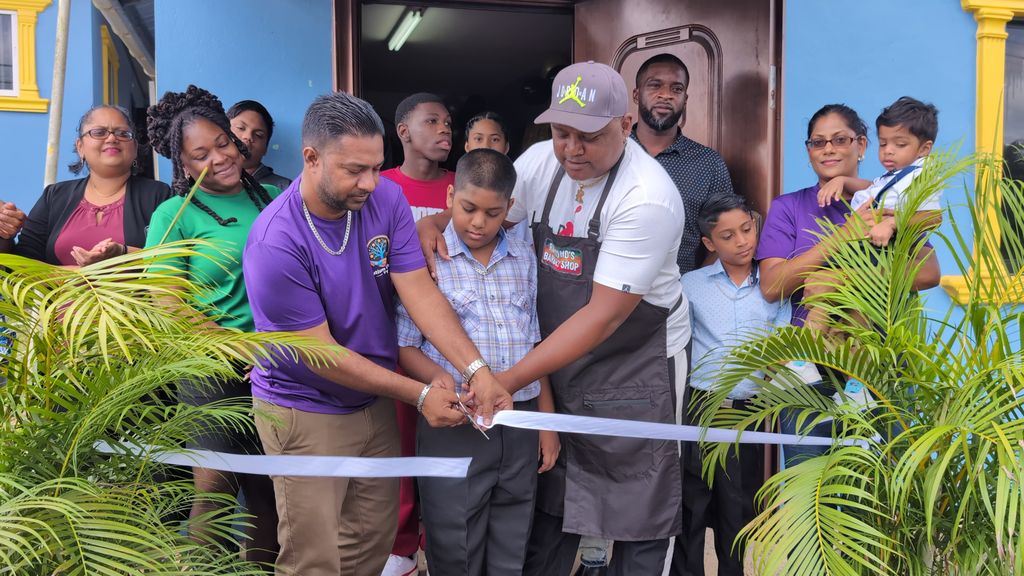
She made the call over the weekend as her organisation hosted activities to mark Autism Awareness Month, including the launch of what is believed to be Trinidad and Tobago’s first sensory-friendly barbershop and a community beach clean-up at Gran Chemin Beach in Moruga.
Drawing from her experience as the parent of a 12-year-old child with autism, Khan-Mohammed said consistent classroom support remains a major challenge.
“What I would really like to see going forward is more support for children in the area of education and providing aides for them in school,” she said.
She pointed to a shortage of aides and the difficulty families face in maintaining that support.
“When you lose an aide… there aren’t many in the system, and when you do get one it is difficult to keep them,” she said, adding that reassignment disrupts a child’s development and routine.
Khan-Mohammed described her family’s experience navigating the education system as “an uphill battle.”
Her comments came as Autism United TT launched two initiatives aimed at raising awareness and promoting inclusion.
One was a sensory-friendly barbershop at Gunness Trace, St Mary’s Village, Moruga, designed for children with autism and other sensory sensitivities. The space, operated in collaboration with a local barber, is intended to provide a calm environment for children who may struggle with traditional grooming settings.
“No two children are the same on the spectrum and they have different needs, which would be accommodated here,” Khan-Mohammed said.
She said routine activities like haircuts can be overwhelming due to sensory triggers.
Her husband, Rasheed Mohamed, said it took years to find a barber who could accommodate their son.
“You go from one barber to the next because some say they can’t deal with it,” he said.
Khan-Mohammed said the initiative is part of a wider push to encourage businesses to become more inclusive.
“It’s 2026 and it’s time for them to get on board with sensory-friendly—not just autism, but children who have special needs and sensitivities,” she said.
She said small adjustments can help build confidence and independence.
Autism United TT also hosted a beach clean-up under the theme “Inspiring responsibility through disabilities,” involving children from the community, including those diagnosed with autism and others believed to be on the spectrum.
“It is important for them to take responsibility for their environment and the communities in which they live,” she said.
Khan-Mohammed also highlighted the need for greater awareness, particularly in rural communities such as Moruga and St Mary’s, where many children remain undiagnosed.
“Autism does not have a look,” she said. “A child could be fully functional or fully dependent, and sometimes it is difficult to tell.”
Barber Raymond De Leon said understanding autistic children and making provisions for their care is important, adding that patience and kindness are key. He urged the public to move away from stigma and approach behavioural differences with empathy.
Education Minister Dr Michael Dowlath said Student Support Services is being revamped to offer more assistance to struggling students, including the expansion of teacher aides as part of the restructuring.
Related News
TTPS, WASA strengthen response to theft, illegal activity

United Arab Emirates says it will leave OPEC in a blow to the oil cartel

TTPS, HDC warn of housing scams