
RADHICA DE SILVA
Senior Multumedia Reporter
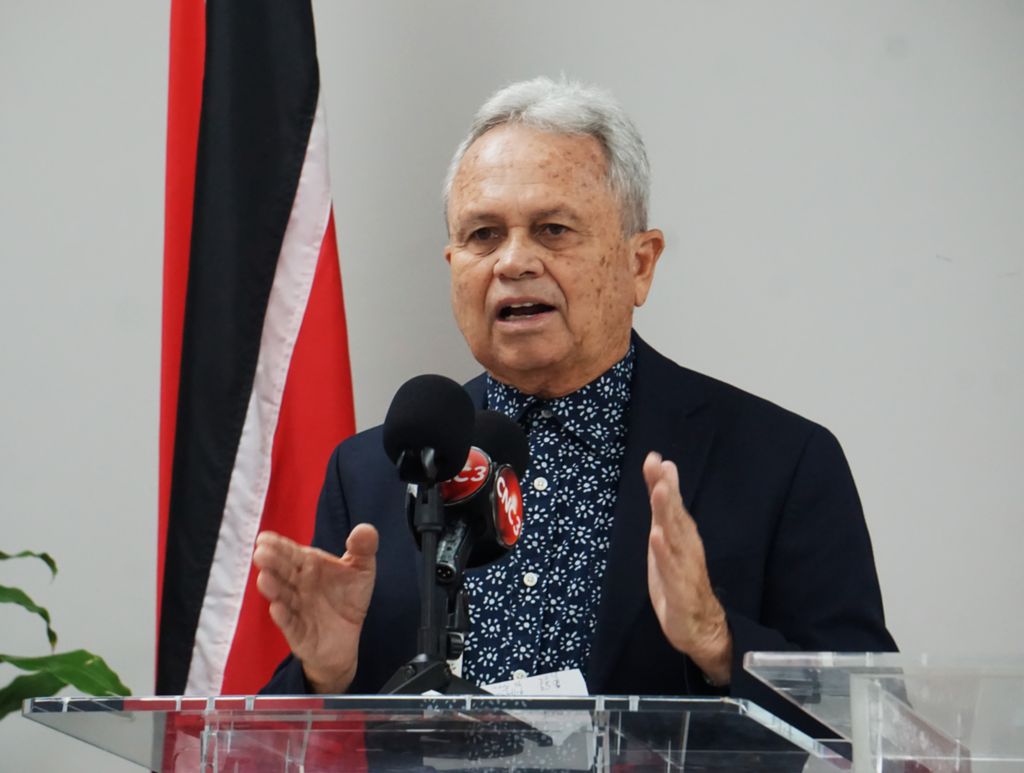
Health Minister Dr Lackram Bodoe urged the public to ask deeper questions when checking in on others, saying a simple “How are you doing?” is often not enough to reveal distress or domestic violence. He encouraged people to follow up with, “How are things at home?” to help uncover conflict that may otherwise go unseen.
He was speaking at a walkathon hosted by Soroptimist International Esperance, days after attending the funeral of Siparia councillor Ramona Victor. Victor was beaten to death by her partner, Rodney Ramsumair, who later took his own life on November 23.
Dr Bodoe said Victor visited his constituency office shortly before her death. He said she appeared calm, raised no concerns about her personal life, and only discussed work. He said someone who met Victor while she waited to see him was aware she was facing challenges but did not share the information. He said although he could not say whether intervention would have changed the outcome, relaying concerns remains essential.
“When you ask, ‘How are you doing?’ people will say they are okay. The second question that needs to be asked is, ‘How are things at home? How is your family?’” he said. He encouraged people to observe facial expressions and other behavioural cues that may signal distress.
He reminded participants that everyone has a responsibility to recognise warning signs and support those experiencing violence. He also referenced the ongoing 16 Days of Activism Against Gender-Based Violence, which began on November 25, and linked his appeal to the ministry’s Step Into Wellness programme, which provides mental health services. He said wellness depends on mental health and encouraged continued participation in support initiatives.
Soroptimist Programme Action Officer Charmaine Latchman-Singh said the walkathon formed part of the club’s activities for the 16 Days of Activism, which run from November 25 to December 10. She said this year’s theme, “Unite to End Digital Violence Against All Women and Girls,” reflects growing concern about abuse through online platforms.
Executive member Farah Abdul said digital gender-based violence includes cyberbullying, sexting, sextortion and harmful messages shared through social media, text or email. She said children are exposed to technology early and may encounter unsafe behaviour through gaming and apps, so awareness and digital safety education are critical.
Abdul outlined examples of online harassment and said such attacks can cause serious emotional harm, including suicidal thoughts in some cases.
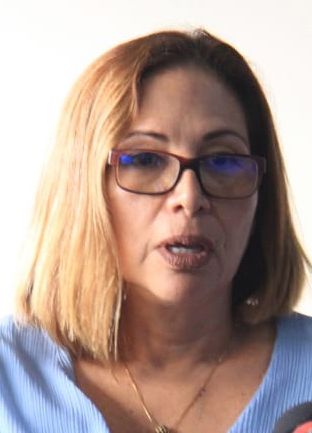
She said members displayed placards and banners with support hotlines, including 800-SAVE for domestic violence, 800-COPE for suicide prevention, 999 for emergencies, and the TTPS cybercrime unit for online offences.
She urged the public to report incidents and be cautious when sharing material online, as digital content remains accessible once posted.