
Former UNC MP Anita Haynes-Alleyne has issued a strong condemnation of the Government and her former party, warning that Trinidad and Tobago is being governed by “absent leadership” supported by “sycophantic underlings” and urging citizens not to be afraid to challenge authority when they believe something is wrong.
In a public statement on social media on Sunday night, Haynes-Alleyne, who has not spoken publicly on political developments since the April 28, 2025, General Election, argued that the concerns she and others raised during the United National Congress’s internal elections two years ago are now becoming apparent on a national scale.
“We are seeing the same absent leadership, propped up by sycophantic underlings whose only job is to enthusiastically nod yes, passing as governance,” she said.
Haynes-Alleyne added that the country now needed more people willing to question decisions and stand up for what they believed was in the national interest.
“Therefore, now more than ever we need people who are willing to dissent in defence of our nation,” she said. “Our country needs more people willing to ask questions, challenge assumptions, and speak honestly when something is wrong.”
The former senator argued that many of the internal issues she witnessed within the UNC are now being replicated in government.
“We had issued a warning that how you run your party will be how you would run the country,” she said.
“Remarkably, we are seeing the same bullying tactics employed by the Party hierarchy to demand unquestioning compliance to the leadership being used against government employees now.”
“There is no line they are unwilling to cross.”
Haynes-Alleyne stopped short of identifying specific incidents but said an increasing number of citizens were becoming concerned about the direction of the country.
“It is evident that the concerns once raised by a few are being voiced by many,” she said. “More citizens are questioning what they see. More people are speaking openly about issues and voicing their discontent with the direction of our nation.”
She called for a political culture that embraces scrutiny rather than punishes it.
“Trinidad and Tobago needs leadership that welcomes scrutiny, values independent thought, and understands that disagreement is not disloyalty,” she said.
“Democracy is strengthened by debate, not weakened by it.”
Haynes-Alleyne declared, “If that makes us dissidents, then perhaps what Trinidad and Tobago needs today is more principled dissent.”
The relationship between the former MP and the UNC appeared to sour in 2024 following internal disputes surrounding the party’s executive elections and the treatment of members who challenged the leadership. During that period, critics of the party hierarchy were frequently labelled “dissidents”, a term that became a recurring feature of the internal contest.
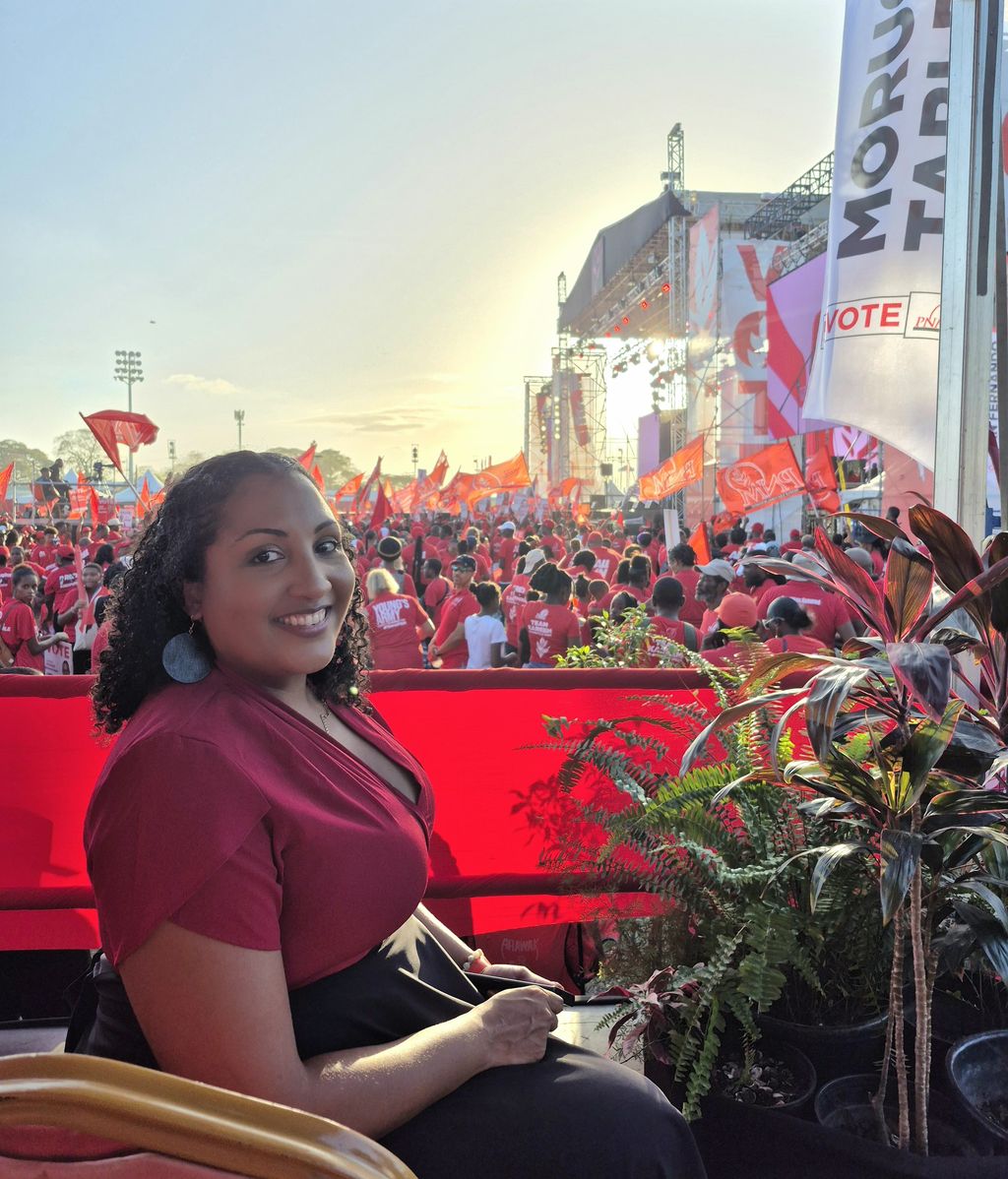
Haynes-Alleyne later emerged as a prominent critic of the UNC leadership and, in the lead-up to the April 28 General Election, appeared as a guest speaker at the People’s National Movement’s final political rally in Tunapuna.
Reflecting on the events that led to her departure, Haynes-Alleyne said many people had encouraged her to reject the dissident label because of concerns about the political consequences.
“Many people reached out to me. Some feared for my political future. Others were concerned about the hostility directed at those who dared to challenge the status quo. Many advised me to reject the label of dissident altogether,” she said.
“I never did.”
She said her decision stemmed from a belief that the real issue was not the label itself but the principles involved.
“Because I knew what I was dissenting to and what matters is not the label, but what one is willing to stand for,” she said.
Haynes-Alleyne said she entered politics believing it could be a force for positive change and a space where new ideas and honest debate could flourish. However, she became increasingly disillusioned by what she described as a culture that discouraged independent thought.
“Too often, the advice was the same: stay quiet, fall in line, survive today, and perhaps change things tomorrow,” she said.
“But tomorrow never comes when silence becomes the price of participation.”