
Senior Multimedia Reporter
radhi[email protected]
Caribbean analysts are urging regional governments to safeguard collective diplomacy as the United States today hosts the Shield of the Americas Summit, focused on hemispheric security that includes only two leaders from the Caribbean Community (Caricom).
The summit, which will be held in Doral, Florida, will bring together leaders from several Latin American countries, along with Prime Minister Kamla Persad-Bissessar and Guyana President Irfaan Ali. The rest of the 15-member Caricom bloc was not invited.
The meeting has sparked debate in the Caribbean about whether the region is entering a new phase of geopolitical competition and whether bilateral engagement with Washington could weaken Caricom’s collective voice.
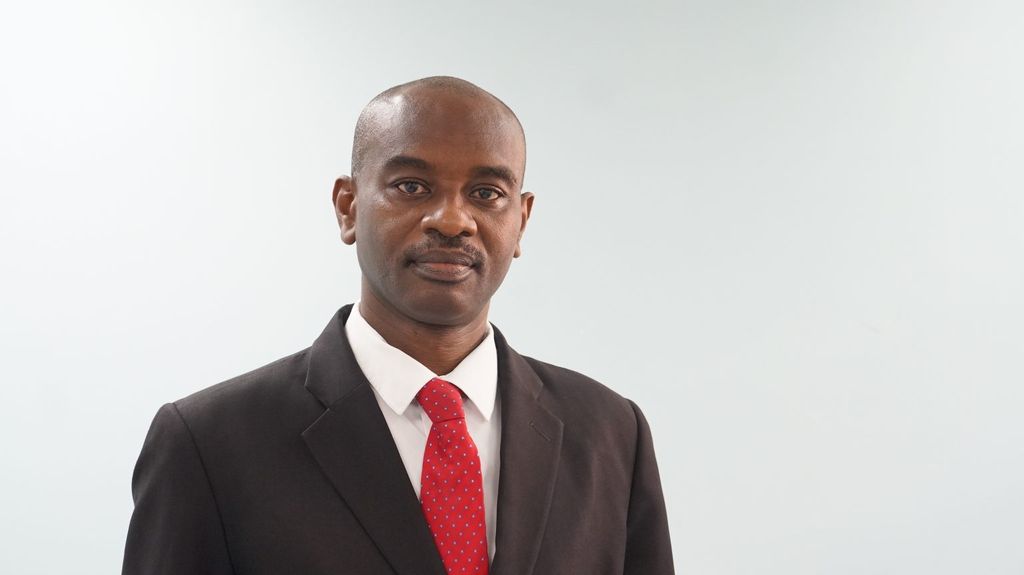
In an opinion piece titled “The Shield and the Silence: What the Doral Summit Reveals About the Caribbean’s Position in a Changing Hemisphere,” Professor C Justin Robinson, pro vice chancellor and principal of The University of the West Indies Five Islands Campus, warned that the summit reflects shifting power dynamics in the hemisphere.
Robinson argued that the invitation of only two Caricom leaders effectively separates them from the region’s collective diplomatic framework.
“Two Caricom leaders were, in effect, extracted from a regional forum and offered seats at a different table, one where the agenda, the terms, and the host were all American,” he wrote.
He also noted that several key priorities identified by Caribbean leaders—such as climate finance, reparatory justice and economic integration—do not appear to be part of the summit’s agenda.
“Climate finance is not on the Doral agenda. The Bridgetown Initiative is not on the Doral agenda. Reparatory justice is not on the Doral agenda. The CSME is not on the Doral agenda,” Robinson said.
“What is on the agenda is what Washington wants to discuss, counter-narcotics, migration, and the containment of Chinese economic influence.”
Robinson warned that while T&T and Guyana face urgent national challenges, including crime and territorial tensions, focusing solely on immediate concerns could weaken long-term regional leverage.
“For Trinidad, the agenda is written nightly in body bags. For Guyana, it is etched into the border posts creeping westward,” he wrote.
“The tragedy, and it is a profound one, is that by chasing the urgent, they abandon the leverage that might secure the future.”
Contacted for comment yesterday, international relations expert Dr Anthony Gonzales questioned the precise objective of the proposed security initiative.
“Well, I’m not sure where the Americans are going with this security shield that they are creating,” Gonzales said in an interview.
“I think they have selected a group of countries in the hemisphere that are supposed to be very close to the United States. And they are trying to work out some kind of deal with them.”
He noted that T&T and Guyana appear to have been specifically chosen for the initiative. However, he said the structure and scope of the initiative remain unclear.
“I’m not sure exactly where they are going with this security initiative. Is it going to be a military kind of alliance? Are they planning to put military bases in these countries or deploy more soldiers on the shores of these countries? Or operate their coast guard and naval vessels together with these countries and so on to attack drug traffickers and so on? That is not clear.”
He said more information is needed before the initiative can be fully assessed. Gonzales also acknowledged speculation that the initiative could be aimed at limiting China’s influence in the region.
“There’s an element of that in there, because there’s some speculation about the shield being used to keep the Chinese out of these countries.”
However, he suggested that completely stopping Chinese investment or trade would be difficult.
“I doubt, for instance, that it may stop the Chinese investments in oil in Trinidad. We have Chinese investment in Trinidad. We have Chinese investment here already in our gas business, and the Chinese investors go along with the American investors,” Gonzales said.
During Thursday’s post-Cabinet press conference, Energy Minister Dr Roodal Moonilal revealed that Government has been holding discussions with the Chinese state-owned China National Offshore Oil Corporation (CNOOC) about potential involvement in the country’s energy sector. CNOOC currently participates in major offshore developments in neighbouring Guyana alongside ExxonMobil, one of the largest US-based oil companies.