Alexander: Drug interdiction ongoing despite pause in US maritime strikes
 23 January 2026

Senior Reporter
dareece.po[email protected]
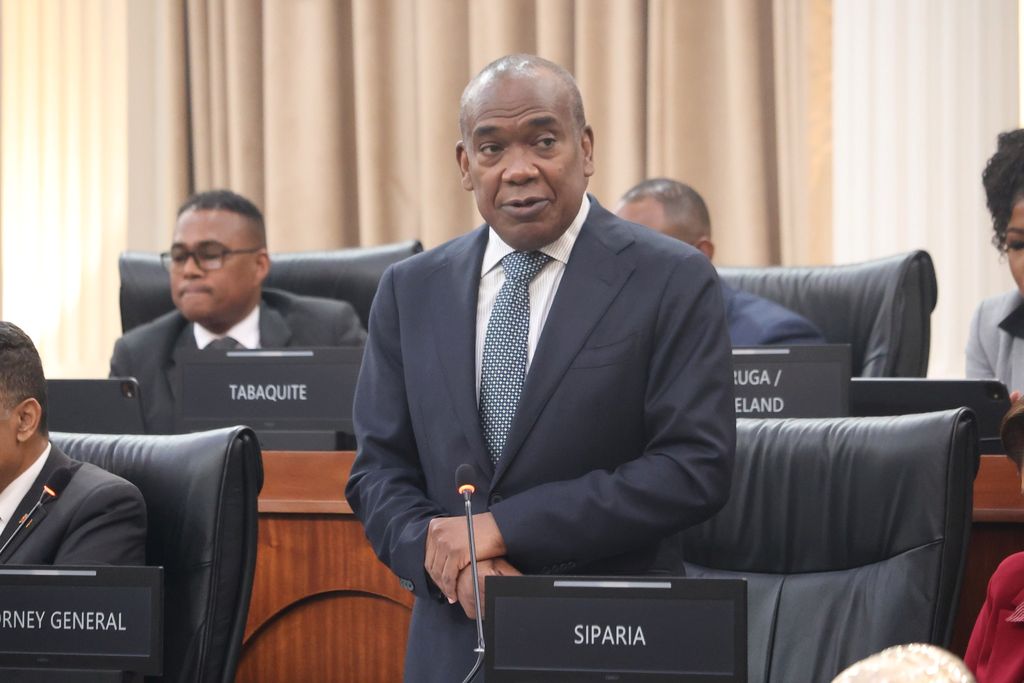
Homeland Security Minister Roger Alexander says the fight against narco-trafficking remains active, even as the United States has not carried out a kinetic maritime strike since the arrest of Venezuelan president Nicolás Maduro.
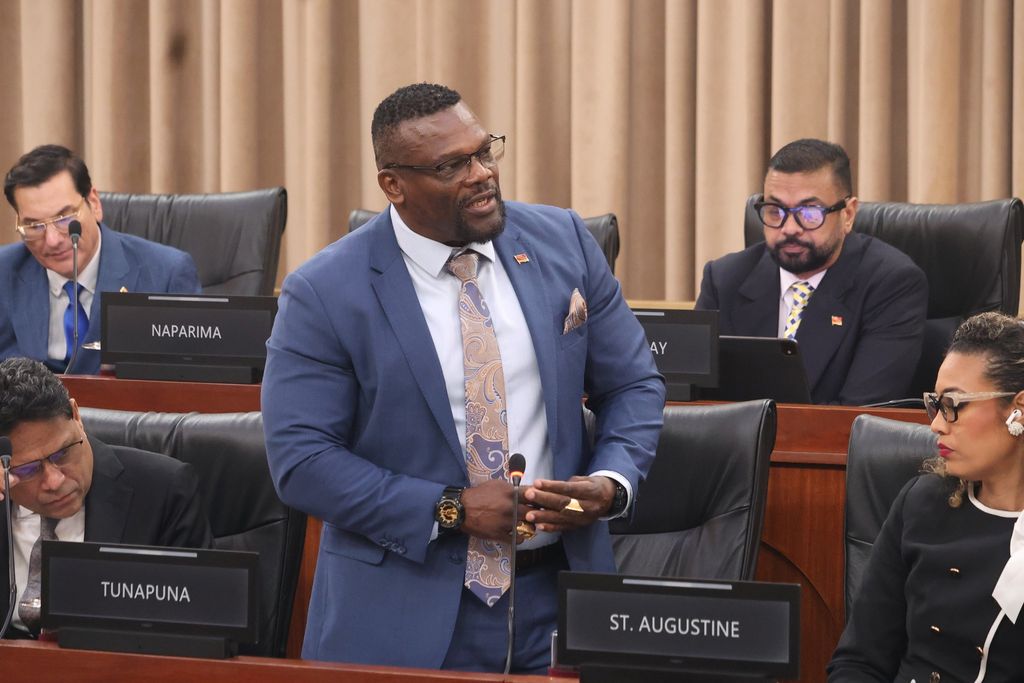
Alexander made the comments in an interview with Guardian Media as he entered Parliament on Wednesday, amid questions about the apparent pause in US-led interdiction operations in the southern Caribbean.
The region saw its most intense period of kinetic strikes beginning in September 2025, when 11 people were killed in an attack on a speedboat allegedly linked to the Tren de Aragua gang. Between September and December, more than 25 confirmed strikes were carried out across the Caribbean and eastern Pacific. Two Trinidadians were among those killed in a blast on October 14, the fifth major maritime engagement of the campaign.
By the end of the year, more than 100 people had been killed. The final recorded maritime strike of 2025 occurred on December 31, when two vessels were hit by Joint Task Force Southern Spear, leaving five people dead.
The campaign culminated with Operation Absolutely Resolve on January 3, a tactical strike and special forces raid on a compound in Caracas that resulted in the capture of Maduro and approximately 75 casualties.
Asked why the strikes appear to have stopped, Alexander said, “Well, probably people stop go,” referring to individuals illegally travelling between Trinidad and Venezuela.
He maintained, however, that interdiction efforts are ongoing.
“Drug interdiction exercises are never over. We have been doing this with the Americans for years.”
Prime Minister Kamla Persad-Bissessar had previously voiced strong support for the US operations. On September 2, following a lethal strike on a Venezuelan vessel in the southern Caribbean that killed 11 people described as “narco-terrorists,” she said the United States should “kill them all violently,” adding that they had no sympathy from her.
She also argued that curbing the flow of illegal guns, drugs and human trafficking would reduce violence across the region and particularly in Trinidad and Tobago, and called for divine protection for US military personnel involved in the interdiction mission.
Meanwhile, on Thursday Alexander avoided directly answering questions on how many US military personnel remain stationed in T&T. The question was raised at the post-Cabinet media briefing, but the minister initially deflected, responding instead that many foreigners were currently in the country for Carnival celebrations.
However, Guardian Media pressed the minister, clarifying that the question specifically related to US military personnel who reportedly came to participate in training and humanitarian work prior to the removal of Maduro. Once again, the minister was unable to provide a specific answer.
“Well, as I said before, there are a number of persons here in terms of the training and development. We always have persons training persons here. We are thankful that they are able to come to our shows and share their experience with us and teach us things. And we love that. We wish it could happen every day, but it isn’t always possible. So, they come and go. At this time, I cannot speak to whether they are here or not.”
That same question was put to Foreign and Caricom Affairs Minister Sean Sobers on Monday.
At the time, Sobers would only say, “Obviously elements in the US are in fact in Trinidad, they’ve always ever been in Trinidad and Tobago. We have elements of US law enforcement actively working in Trinidad and Tobago, which would assist us in terms of combatting the same transnational crime that we are fighting.”
On November 20, 2025, Persad-Bissessar said there were 250 marines from the 22nd Marine Expeditionary Unit (MEU) in the country, training Defence Force personnel at Cumuto, Teteron, and Omega.
And then on November 26, the Prime Minister said as far as she was aware, those troops had left, and there were no more US military personnel in the country.