
Lead Editor – Newsgathering
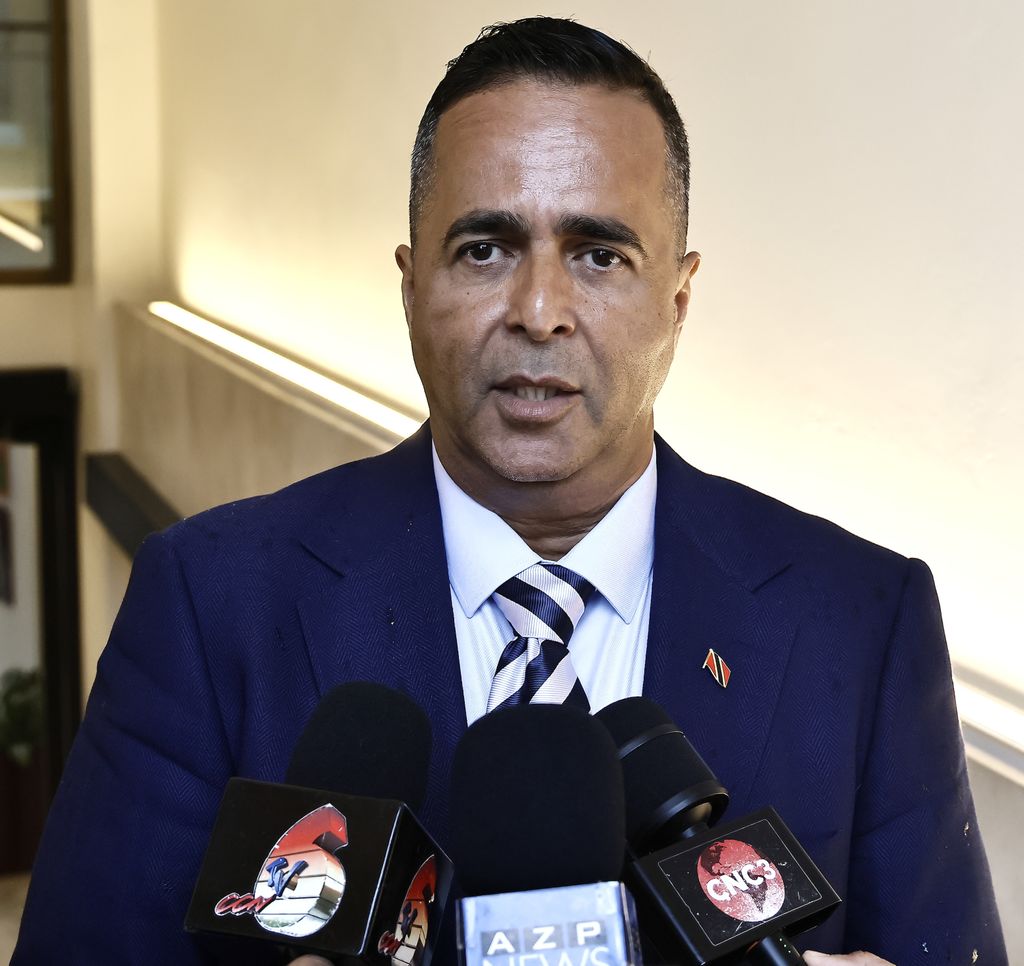
Minister in the Ministry of Housing Phillip Alexander has defended the Housing Development Corporation’s (HDC) selection of contractors for a $3.48 billion housing programme, arguing that the companies were drawn from the Office of Procurement Regulation’s registry and subjected to further financial checks before contracts were signed.
However, Alexander did not explain why the HDC cancelled the procurement programme on June 17 if, as he maintained, the contractor selection and due-diligence processes were sound.
His defence follows a report that an OPR inquiry found deficiencies in supplier selection, bid assessments, procurement oversight and financing arrangements for 11 proposed housing packages.
Former housing minister and current Trincity/Maloney MP Camille Robinson-Regis referenced the report in her budget contribution to the Lower House on Friday, saying the $3.48 billion project was pushed forward despite questions about whether contractors could secure the financing needed to deliver.
Speaking during a visit to a housing community in Corinth yesterday, Alexander dismissed claims raised by Robinson-Regis in Parliament. “All of it is wrong. All of it is hearsay, innuendo, straw man reporting,” he said.
Alexander maintained that the contractors were registered and pre-qualified through the OPR system, while the HDC conducted additional due diligence before finalising contracts.
However, the OPR’s July 1 inquiry report raised concerns about the pre-qualification of a supplier whose company profile indicated it was insolvent, in receivership or facing winding-up proceedings.
“Notwithstanding this, and the requirements of Section 29 (1) (d) of the Act, said company was pre-qualified and included in the pool of suppliers invited to participate,” the report stated.
Alexander yesterday said the HDC examined banking and financial information between the award of contracts and the signing of agreements.
He did not explain how those checks addressed the specific concerns raised about the supplier.
The OPR also found that some supplier records lacked audited financial statements or sufficient evidence of technical capability for projects valued above $100 million.
Alexander defended financing letters described as non-binding, arguing that such arrangements were normal before borrowers drew down funds.
The OPR found that eight of 10 letters from financial institutions contained non-binding disclaimers, despite a requirement for bidders to demonstrate a minimum $100 million line of credit.
“If you go to a bank and qualify for a hundred million dollars in financing, until you actually go to draw down the money it is non-binding,” Alexander said.
However, the regulator also found that the HDC had not established evaluation criteria, a scoring methodology or minimum thresholds for assessing financial capacity.
The OPR further found that the HDC committed to the $3.48 billion programme without guaranteed funding, warning of possible additional liabilities and risks to value for money.
Alexander did not directly address those findings. He instead blamed inherited land ownership problems under the previous PNM administration for difficulties affecting housing communities, including Lakewood, Ridgewood and Lakeview.
“We are cleaning up all of the mess that we got under the PNM,” he said.
The HDC cancelled the procurement programme on June 17.
The OPR called on the corporation to take corrective action and ensure future procurement complies with the relevant legislation and regulations.