
Senior Reporter
Trinidad and Tobago-founded energy company Cliper Group has secured a 25-year agreement with Venezuela’s state-owned oil company PDVSA to revive an oilfield containing an estimated 104 million barrels of recoverable oil, opening potential opportunities for local energy service companies and workers.
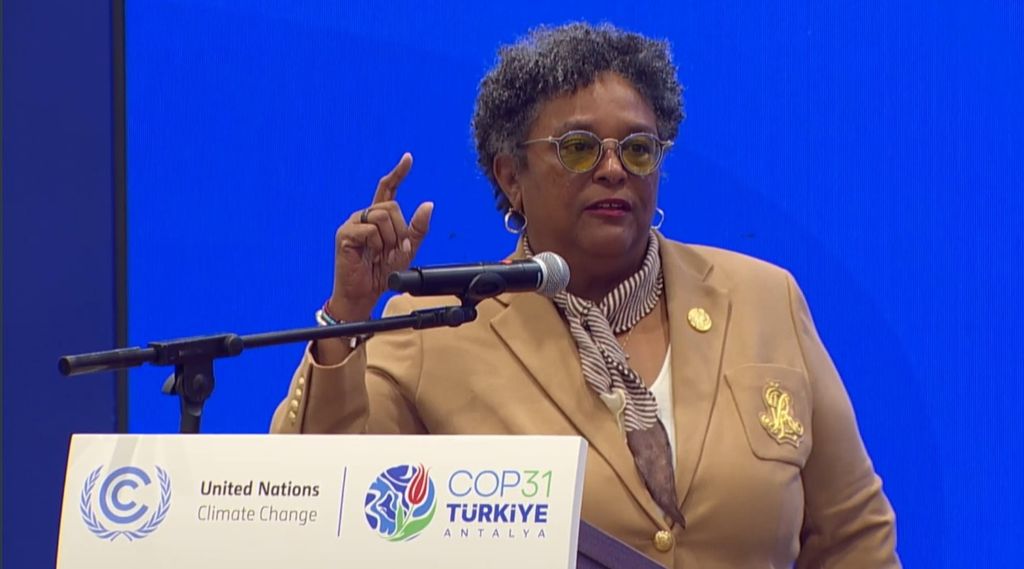
Energy Minister Dr Roodal Moonilal, when contacted yesterday, described it as good news for T&T, pointing to possible benefits for the country’s energy services sector and future gas cooperation.
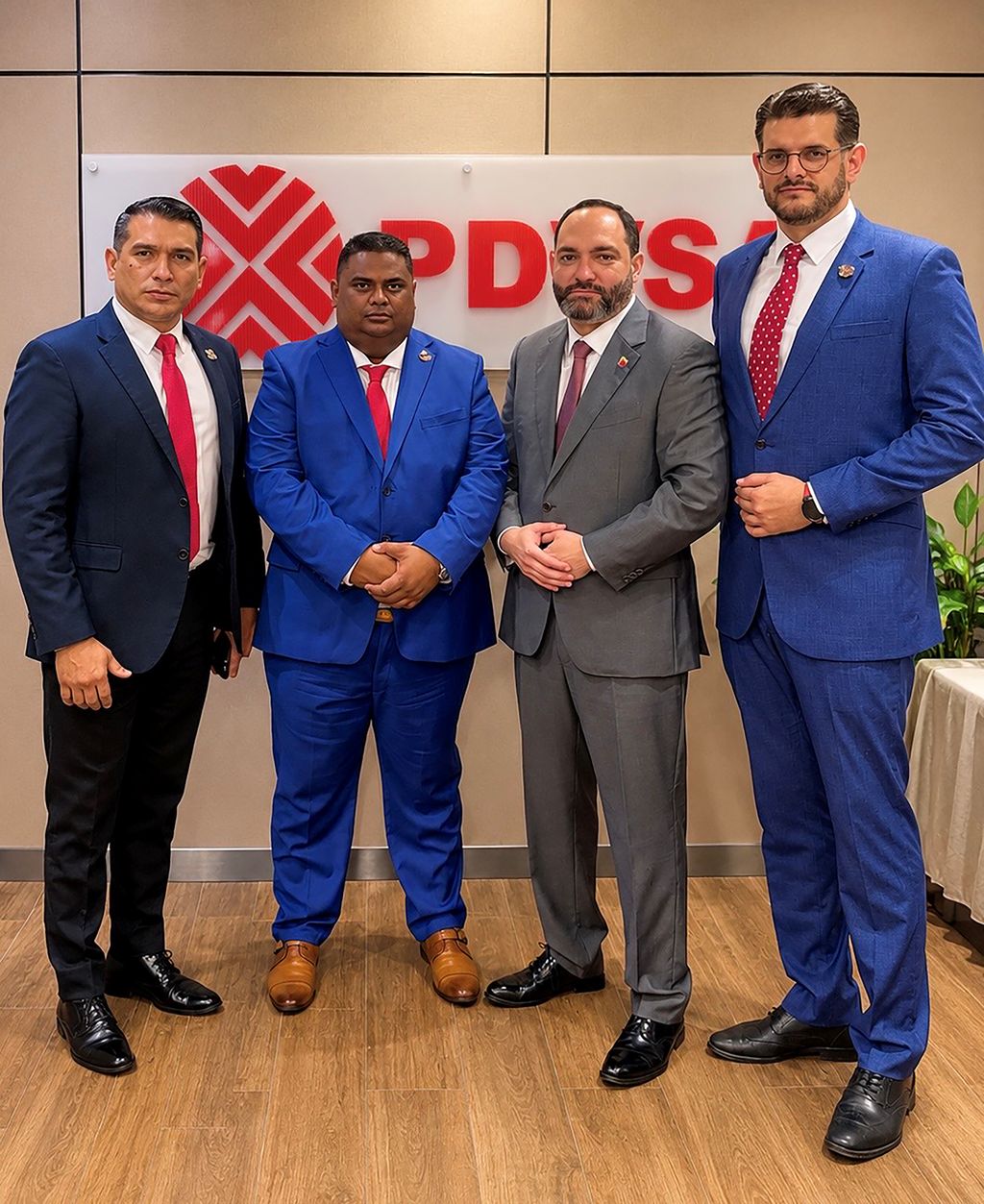
The deal was signed in Caracas last Friday between PDVSA Petróleo, SA, and Cliper Energy and Petroleum Company, CA, the Venezuelan subsidiary of the Cliper Group.
The agreement covers the reactivation and development of the Pedernales oilfield in Venezuela’s Delta Amacuro State, located in the Gulf of Paria, a short distance from southern Trinidad.
Moonilal hailed Cliper’s 25-year PDVSA deal and congratulated CEO Clifton Persad.
“That means opportunities for our energy service companies and our skilled workers, and it may also bring gas cooperation that strengthens our industry.
We support partnerships like this, provided they are transparent, commercially sound and fully compliant. We wish them every success,” the minister remarked.
The agreement comes as diplomatic relations between Trinidad and Tobago and Venezuela have begun to recover following months of tension, creating renewed scope for cooperation between the neighbouring countries on trade and energy.
Relations deteriorated in 2025, when Venezuela declared Prime Minister Kamla Persad-Bissessar persona non grata amid disagreements over T&T’s position on US military activity in the Caribbean and energy cooperation.
However, a September 23 meeting between Persad-Bissessar and Venezuelan President Delcy Rodríguez in New York marked a significant diplomatic thaw. Venezuela subsequently restored the Prime Minister’s persona grata status, while both governments committed to a new phase of bilateral relations, including cooperation in energy, trade, agriculture and security.
The meeting followed months of strained relations, including a period when Venezuela suspended energy cooperation agreements with this country. The September diplomatic engagement was intended to move relations beyond political disagreements and establish a framework for practical cooperation.
Pedernales has been inactive since 2019. Data from Venezuela’s Corporación Venezolana del Petróleo (CVP) puts its remaining recoverable oil reserves at approximately 104 million barrels, with an estimated 172 billion cubic feet of natural gas.
Under the development plan agreed with PDVSA’s technical teams, Cliper will return 38 wells to production, install new production and storage facilities, and conduct integrated reservoir studies to determine the field’s longer-term drilling potential.
The project could provide new work for energy service companies, contractors, and skilled personnel in T&T, given the field’s proximity to the country’s southern coastline.
Cliper Group was established in Trinidad and Tobago in 2015 as Cliper Trading Ltd. It is now headed by Cliper Trading Inc, based in the United States, with Persad serving as group chief executive officer.
The group trades crude oil and refined petroleum products and develops upstream energy projects. Its operations span Trinidad and Tobago, the United States, Grenada, Hong Kong and Venezuela.
Persad described the agreement as a significant development for a company with its roots in T&T, pointing to the potential for the project to benefit both countries and the wider Caribbean.
The company intends to work with PDVSA and maintain dialogue with the Trinidad and Tobago Government as the project advances.
Venezuela director and country manager Alfonso Restrepo, who also heads Cliper’s Venezuelan subsidiary, expects the development to generate employment and business opportunities for communities around Pedernales.
Director Emil Méndez also identified the return of production as an opportunity to create jobs and support Venezuela’s economic recovery.
The company expects the project to create opportunities for Venezuelan, Trinidadian, and other Caribbean workers, suppliers, and service providers.