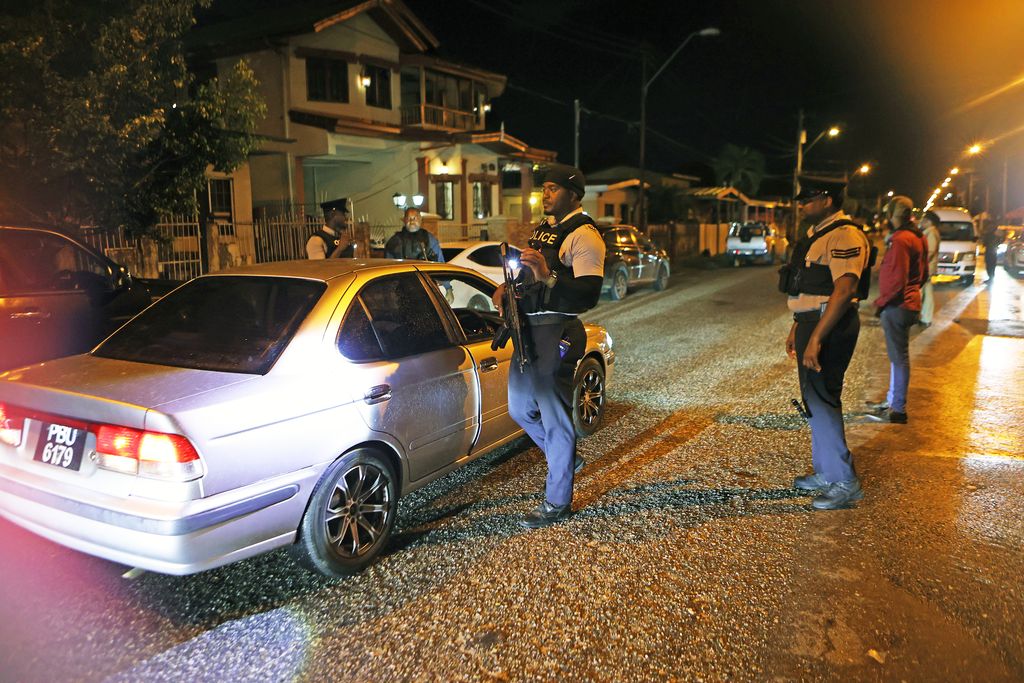

The designation of a community as a closed area under the Special Operations Act, 2026, allows the authorities to restrict movement and gives police additional powers to address threats to public safety.
But what does it mean when an area is declared closed, and how does it affect the people living there?
According to an explainer published by the Office of the Attorney General on Tuesday, the legislation allows the authorities to impose cordons, curfews and permit requirements within designated areas.
Under the legislation, the President may declare an area closed where there are reasonable grounds to believe public safety and peace are threatened by escalating violent crime, gang activity, illegal firearms or attempts to intimidate or control a community.
The President must also be satisfied that ordinary law enforcement measures are insufficient to maintain or restore public safety.
What restrictions apply?
Once an area is declared closed, authorities can control who enters and leaves through cordons and permit requirements.
Curfews can also be imposed, requiring people to remain within their premises during specified hours.
In Maloney, Legal Notice No. 848, published on November 10, imposed a curfew from 9 pm to 5 am within the designated closed area.
The order allows exceptions for people authorised under its provisions or holding a permit issued under Section 14 of the Act.
What powers do police have?
The legislation gives police enhanced powers of search, seizure, arrest and detention during special operations, subject to judicial oversight and the safeguards provided under the law.
What happens if someone breaks the rules?
The Act establishes criminal offences for obstructing police officers, entering or leaving a closed area without the required permit, breaching permit conditions and violating curfew restrictions.
Related News
Ex-UNC MPs warn T&T could face scrutiny as Democrats take Congress
CAUGHT IN CROSSFIRE
Presto takes hydroponics programme to Marabella Primary