
By Ryan Bachoo
Climate advocates, researchers and youth leaders are calling on governments to reject waste incineration and prioritise zero-waste solutions as part of efforts to tackle the climate crisis.
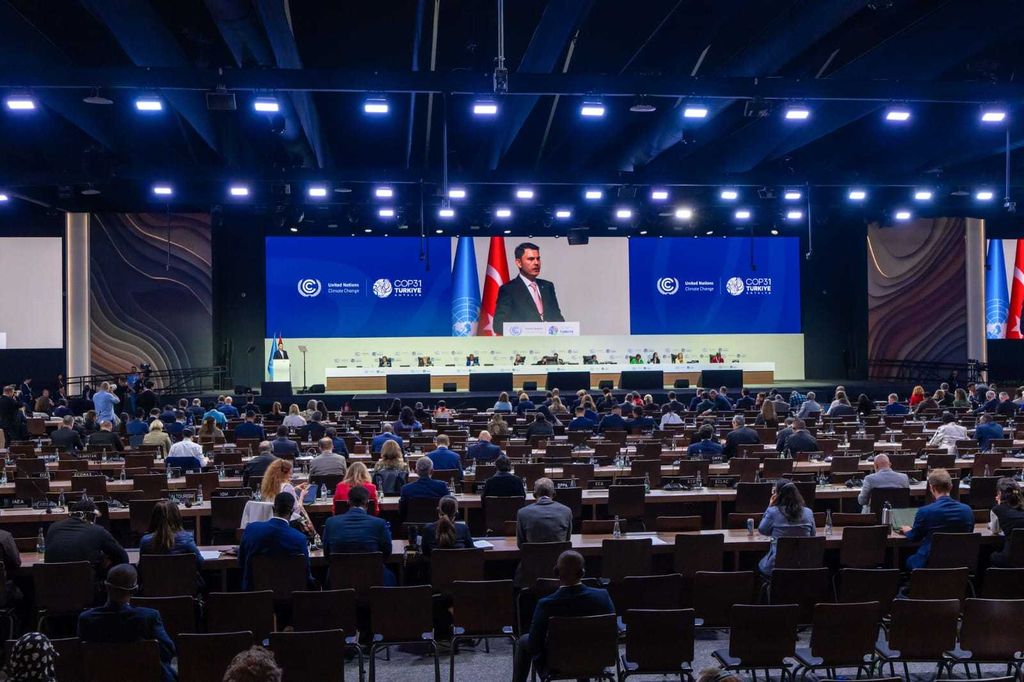
At a press conference at the United Nations Climate Change Conference (COP31) yesterday, speakers argued that burning waste and expanding disposal infrastructure would not address the root causes of the waste crisis.
Instead, they urged governments and climate financiers to invest in waste prevention, reuse, repair, recycling and composting, warning that incineration could create additional environmental and financial burdens for communities.
Mariel Vilella, climate programme director at the Global Alliance for Incinerator Alternatives (GAIA), said meaningful climate action required addressing waste at its source.
“We cannot solve the waste crisis by building more infrastructure to burn or dispose of what we produce,” she said, arguing that waste prevention, reuse and composting could reduce emissions while delivering benefits to communities.
The speakers also highlighted the relationship between plastic production and fossil fuels, noting that greenhouse gas emissions occur throughout the lifecycle of plastics.
Mohamed Kamal, coordinator of the Climate Action Network Arab World, said reducing plastic production and expanding reuse systems must form part of credible climate strategies.
“We cannot tackle climate change while allowing plastic production to keep expanding,” he said.
Concerns were also raised about the growing promotion of waste-to-energy incineration, particularly in developing countries.
Weyinmi Okotie, executive director of the Green Knowledge Foundation, referenced a new GAIA Africa report examining 15 incineration projects and proposals across ten African countries.
She warned that incineration could lock municipalities into expensive infrastructure, expose communities to harmful pollution and divert funding from alternative waste management systems.
The discussion also focused on the need to redirect climate financing towards locally led solutions.
Jacob Johnson Attakpah, zero waste director of the Green Africa Youth Organisation, said governments and international climate financiers needed to make funding more accessible to communities and cities already implementing alternatives.
Shahriar Hossain, representing the Government of Bangladesh, highlighted the role of local authorities in addressing the waste crisis.
He said cities were on the frontline of the problem but could also deliver practical solutions through political support, consistent public investment and policies that enable zero-waste systems to expand.
The press conference, titled “Zero Waste COP – Incinerators Out. Zero Waste In”, called for climate commitments to translate into practical policies and financing that prioritise preventing waste rather than disposing of it.