
Senior Reporter
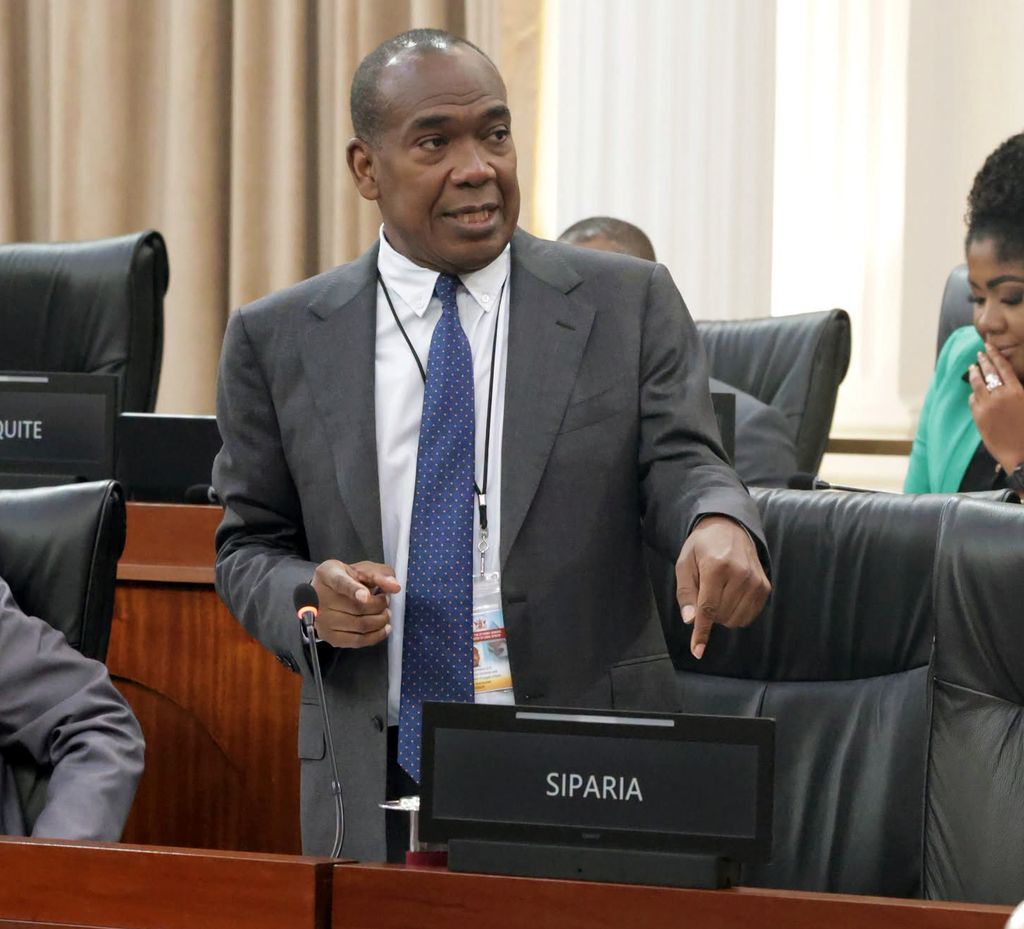
Attorney General John Jeremie says consultations between the Government and the Trinidad and Tobago Police Service (TTPS) are continuing to address minor operational issues that have emerged ahead of the full implementation of the Special Operations Act.
However, he dismissed suggestions that additional legislation may be required, insisting the concerns are being resolved as they arise.
“There is ongoing consultation. The challenges are relatively minor operational issues which are being addressed as we speak,” the Attorney General told Guardian Media via WhatsApp last week.
Asked whether supporting legislation might be needed to deal with the issues, Jeremie was emphatic.
“Definitely not,” he said.
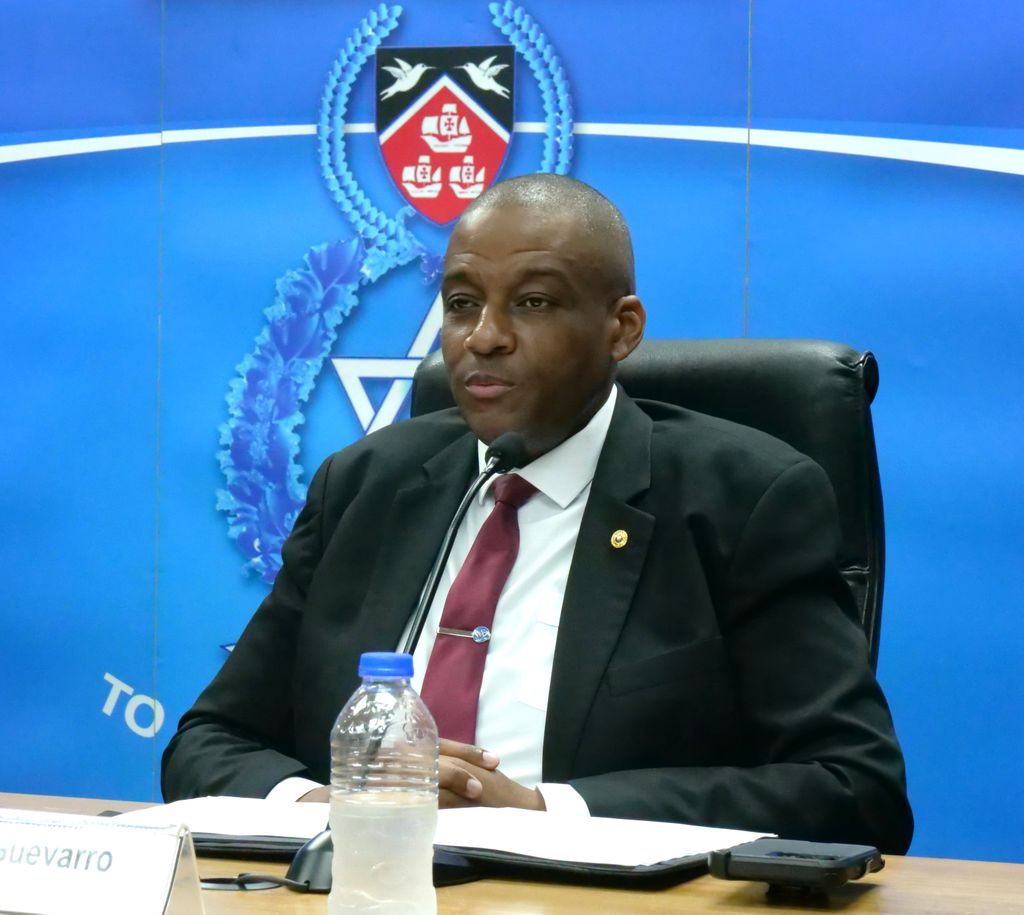
His comments came a day after the head of the TTPS Legal Unit, ASP Ramdath Phillip, acknowledged during a media briefing that the police service was working through legislative challenges related to the act.
“We have a situation where a number of issues have arisen in relation to the act and we are working on them for a smooth rollout, should the act be called upon or should we as the police be called upon to institute the piece of legislation,” Phillip said.
Neither Phillip nor Jeremie, however, disclosed the specific issues that have arisen, leaving unanswered questions about the nature of the challenges and whether they could affect the act’s implementation.
Guardian Media also contacted Deputy Commissioner of Police Junior Benjamin for details on the issues delaying the law’s rollout, but has yet to get a response.
The Special Operations Act was proclaimed by President Christine Kangaloo on October 6 and remains in force for a two-year period.
The legislation followed a contentious passage through Parliament. While it secured a simple majority in the House of Representatives, the bill faced a deadlock in the Senate, where Government and Opposition senators were split 15-15.
Senate President Wade Mark ultimately exercised his casting vote to break the tie, resulting in the bill’s passage by a 16-15 margin.
The legislation divides Trinidad and Tobago into seven designated policing districts and empowers the TTPS, and where necessary the Trinidad and Tobago Defence Force, to conduct special operations within any of those districts.
Such operations may include the closure or cordoning off of areas through barriers, roadblocks and other measures. Once an area is closed, restrictions may be imposed on the movement of persons entering or leaving the designated zone.
The legislation is designed to allow law enforcement to target specific areas rather than impose nationwide restrictions, distinguishing it from the recently ended State of Emergency, which applied across the country.