Kenya confirms third Ebola case, a relative of the first patient who died
 16 October 2026

Kenya’s health ministry confirmed that a third person tested positive for Ebola on Friday while in quarantine after being identified as a known contact of the first patient, who died two days after arriving from Congo.
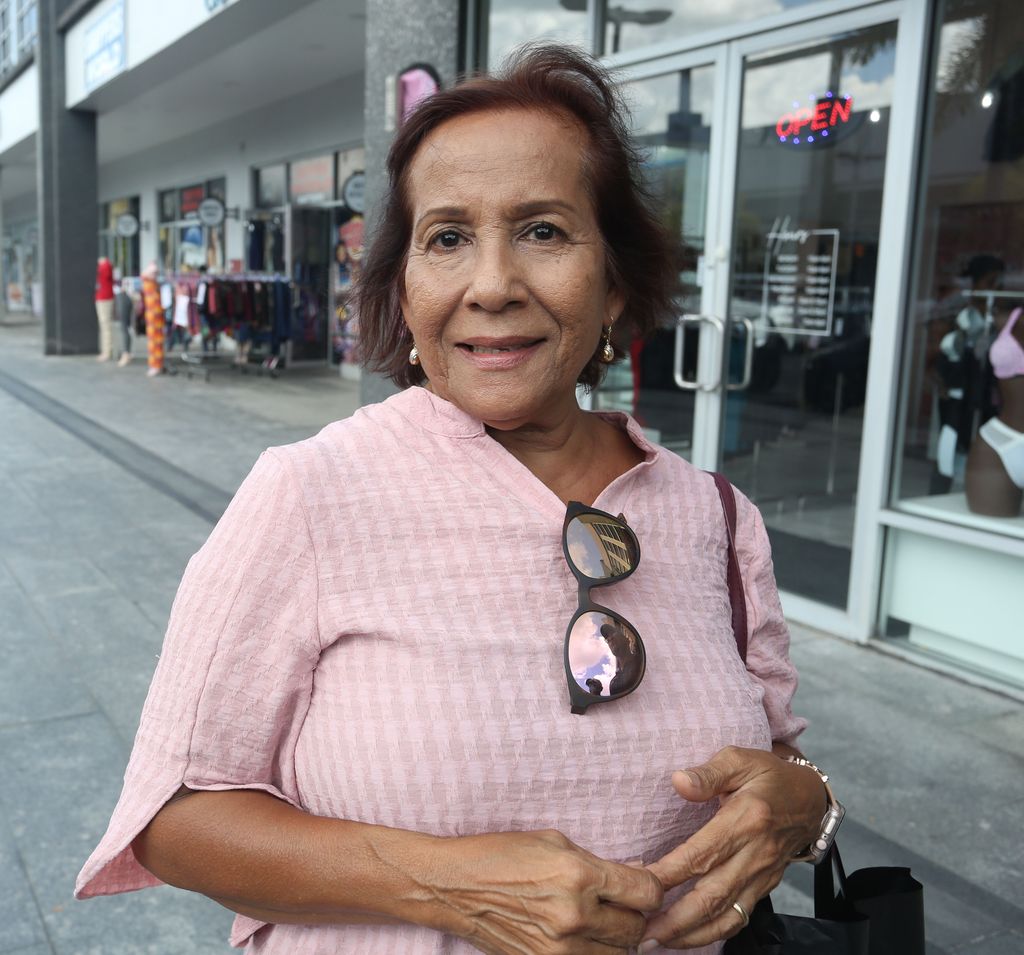
The ministry said in a statement that the third patient was a 65-year-old woman who is a relative of the 40-year-old man who died from Ebola on Oct. 5.
The woman has been in quarantine since Oct. 6 and developed symptoms before testing positive for the virus. She has since been transferred to the Infectious Disease Unit, the ministry said.
The second patient, a 39-year-old man from the same family, remains in stable condition, according to the Ministry of Health.
The ministry said there was no evidence of community transmission, as all cases were linked to the first patient and the individuals had been in quarantine.
Ebola is highly contagious and spreads through direct contact with the bodily fluids of an infected person, including blood and vomit, or through contact with contaminated materials and surfaces, such as bedding and clothing. Congo has been having its deadliest outbreak, with at least 4,000 deaths since May.
Three contacts linked to Kenya’s first case have yet to be traced. Efforts to trace people who interacted with the patient in neighboring Uganda and Congo have also faced challenges. The patient had been living in Congo and had travelled through three Ebola-affected provinces.
Health workers have been urging communities to share information if they suspect they may have interacted with an Ebola patient.
Dr. Barbara Muttimos of Médecins Sans Frontières, or MSF, also known as Doctors Without Borders, told The Associated Press in a recent interview that people should be “honest about their exposures” and disclose their travel history and symptoms.
She said the chances of survival are higher when the virus is detected early.
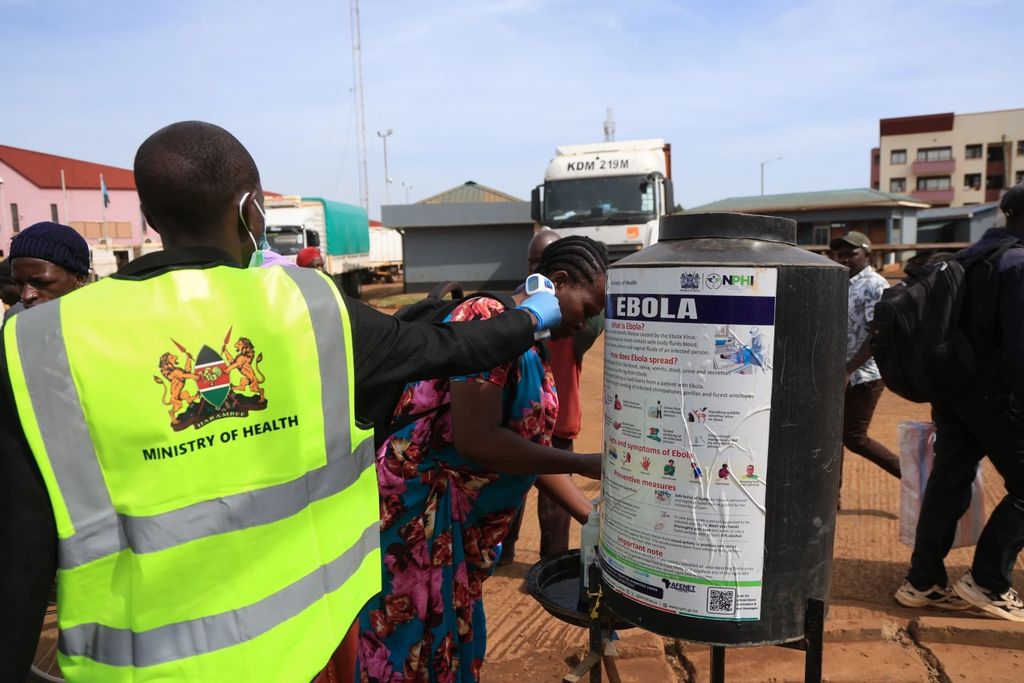
Kenya has intensified screening at border crossings nationwide, with a designated gate at the main airport in the capital, Nairobi, for all flights arriving from 10 countries identified as being at the center of the Ebola outbreak.
At the Busia border crossing with Uganda, The Associated Press witnessed enhanced screening procedures, with members of the public washing their hands and having their temperatures checked.
Residents are, however, concerned about illegal crossings along the border.
A trader in Busia town, Richard Onyango, said the government should find “other ways of screening” because many people cross the border through unofficial routes. —NAIROBI, Kenya (AP)
———
Story by EVELYNE MUSAMBI | Associated Press
Associated Press journalist Andrew Kasuku contributed from Busia, Kenya.