IATA calls for transparency as Antigua & Barbuda prepares to increase passenger tax
 24 September 2026

Brent Pinheiro
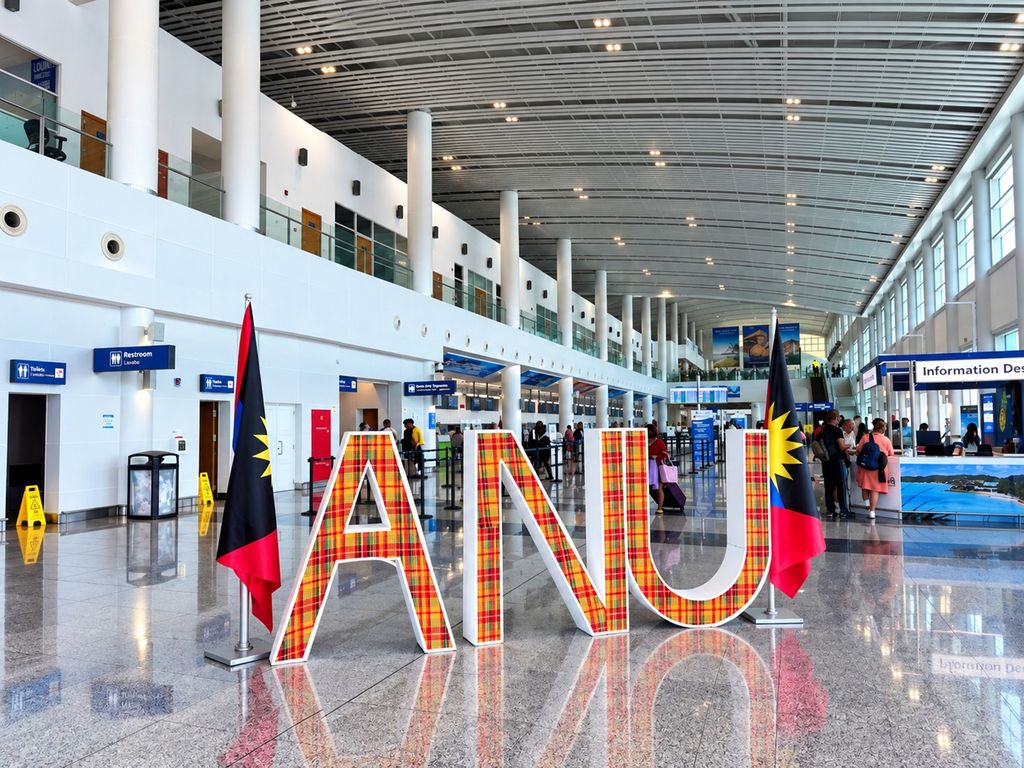
The International Air Transport Association (IATA) is calling on the Antigua & Barbuda government to clarify a proposed plan to raise air passenger taxes for international travellers. On June 24, the Gaston Browne-led administration approved a US$10 increase in the Passenger Head Tax for all international passengers arriving in and departing Antigua & Barbuda, increasing the tax from US$40 to US$50 per passenger (one way). Travel within the CARICOM region will be exempt from this proposed increase.
IATA is now pushing back against that decision, warning that it could have a negative impact on the country's passenger traffic, long-term air connectivity, and competitiveness in the region. According to IATA data, Antigua and Barbuda's passenger traffic is already down by 2.6% during the first half of 2026 compared with the same period in 2025.
IATA, a trade association representing over 370 airlines, also called for transparency in how the revenue from this higher tax would be allocated. According to a June 24 Cabinet note, the additional revenue would be used to, among other things, meet the country's financial obligations to the Eastern Caribbean Civil Aviation Authority (ECCAA) and the Eastern Caribbean Supreme Court (ECSC). Antigua and Barbuda would be the only country implementing this $10 increase, as proposals currently on the table call for a $2.50 contribution from incoming and outgoing passengers to be allocated to ECCAA.
However, IATA argues that the country has been shy on the details and stakeholders have not yet been told how the proposed increase was calculated nor how much revenue it is expected to generate. IATA's Regional Vice President for the Americas Peter Cerda warned that pushing a national measure before the regional framework has been decided upon carries risks that can undermine efforts to "achieve a coordinated regional approach to aviation funding." Instead, he wants the regional ECCAA initiative to be separate from proposals for national passenger charge increases. This, he said, would allow each measure to be considered independently and assessed on its own merits.
While a US$10 tax may seem negligible, aviation experts say even minor fees can increase ticket costs, forcing travellers and airlines to choose alternative destinations. One doesn't have to look far to see how a small tax could have a major impact.
In December 2025, Lima's Jorge Chávez International Airport implemented a US$11.86 international transfer fee called TUUA (Tarifa de Uso de Aeropuerto) for all international-to-international connections. The result? By some accounts, the airport lost 1.8 million passengers as travellers chose to use competing hubs in Panama and Colombia, bypassing Peru completely. Lima's international passenger growth is now projected to limp along at roughly 3% annually through 2041, instead of a projected 9% without the tax, according to Cerda.
Lima's example is a cautionary tale, but does a transfer fee in South America affect the Caribbean thousands of miles away? According to the CEO of the largest airline group in South America, it already has. Responding to a question from Guardian Media at the 2026 IATA Annual General Meeting in Rio de Janeiro, Brazil, earlier this year, LATAM CEO Roberto Alvo explained that approximately 10 years ago, the carrier made a decision to expand into the Caribbean, launching flights to Jamaica, Aruba, and the Dominican Republic. However, as the carrier developed its network, it found that the best airport to connect passengers coming from deep within South America was in Lima. "Many of the passengers that we carry through Lima to the Caribbean are passengers that come either from Chile or from Argentina or from Paraguay or from Bolivia," he said, adding, "the existence of the connection fee hampers the development of those flights because those passengers are charged round-trip around $25 just to connect in Lima. What we have seen in the region is a sharp decrease in traffic because of this [fee]". Alvo insists the potential for growth is there, and called for better public policies that help regional economies and tourism develop and grow.