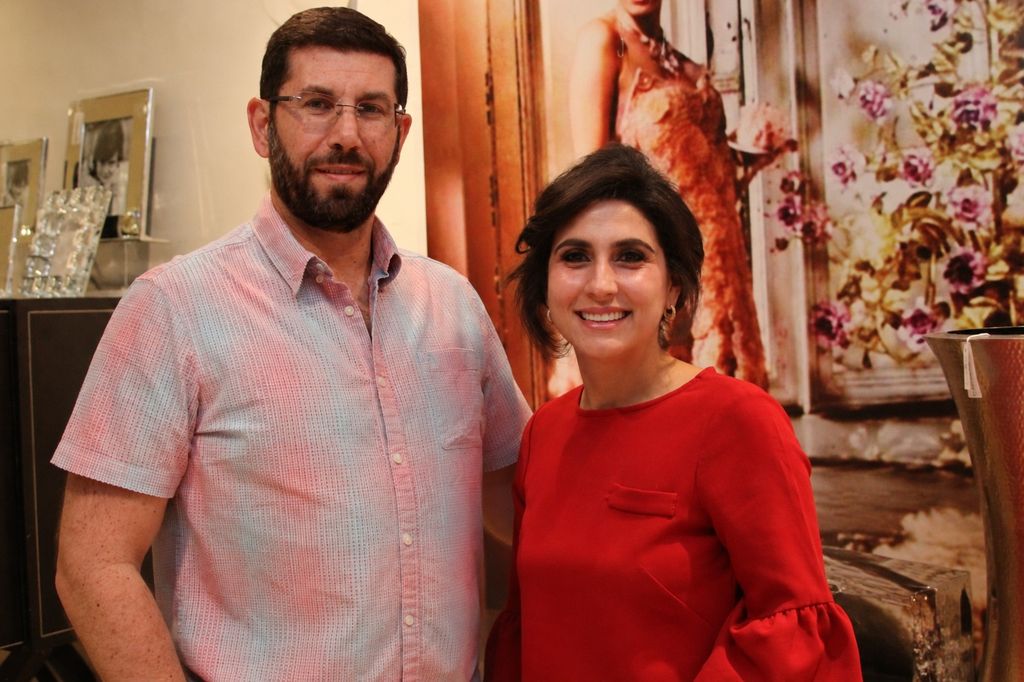

The detention of Star Sabga and Dominic and Genevieve Hadeed has attracted international attention, with The New York Times publishing a detailed account of the case.
The report traces events from June, when police raided the Hadeeds’ home, seized electronic devices, and subsequently detained the couple and Sabga under the State of Emergency. It details the conditions they faced while in detention, as well as Sabga’s experience while under house arrest.
According to the article, Sabga and Genevieve Hadeed were subjected to invasive strip searches while being held at the Women’s Prison in Arouca. They were housed in what the report described as unsanitary conditions with little privacy. During the approximately six weeks Sabga spent under house arrest, she was permitted only two 15-minute visits from family members.
The report also states that the US visas of several members of the Hadeed family were revoked. Attorney General John Jeremie had previously confirmed in Parliament that members of the Syrian-Lebanese community had their visas cancelled. The Hadeeds’ legal team later confirmed that their clients were among those affected.
The article places the case within the broader context of political tensions between the Government and members of Trinidad and Tobago’s Syrian-Lebanese community. It notes that members of the community, sometimes referred to by governing party politicians as “the one per cent,” have been publicly accused of corruption and organised crime.
Dominic Hadeed had also been a vocal critic of the administration before his detention, particularly on issues such as tax policy and the cancellation of a long-standing state land lease operated by his businesses. Businessman Sam Salloum, who publicly defended Sabga, dismissed suggestions that she could have been involved in an assassination plot. Pointing to her reputation as an artisanal cheese maker, he remarked that she would not even “spray a bug.”
The Times further situates Trinidad and Tobago’s use of emergency powers within a wider Caribbean and Latin American trend. It compares the local State of Emergency with measures implemented in El Salvador, Honduras and Jamaica to combat violent crime, while highlighting concerns about mass detentions and human rights implications when governments are granted broad emergency powers.
Sandra Pellegrini, Latin America regional team lead at the US-based conflict-monitoring organisation ACLED, told the newspaper that crime reduction cannot be considered in isolation from civil liberties.
“Whether you’re a criminal or not, you’re still supposed to be able to access a fair trial,” she said, warning that government critics and protesters can become targets when restrictions on law enforcement are loosened.