
Senior Reporter
A 20-year-old man detained under a Preventive Detention Order (PDO) is threatening judicial review and constitutional proceedings against the State of Emergency (SoE) Review Tribunal and the Attorney General, claiming he has been denied access to legal representation despite provisions in the Emergency Powers Regulations (EPR).
In a pre-action protocol letter dated August 14, attorney Keron Ramkhalwhan, acting for detainee Jamaalee “Maly” Wilson, argued that the review tribunal unlawfully failed to consider exercising its power to appoint legal counsel for detainees and instead directed Wilson’s family to seek assistance from the Legal Aid and Advisory Authority.
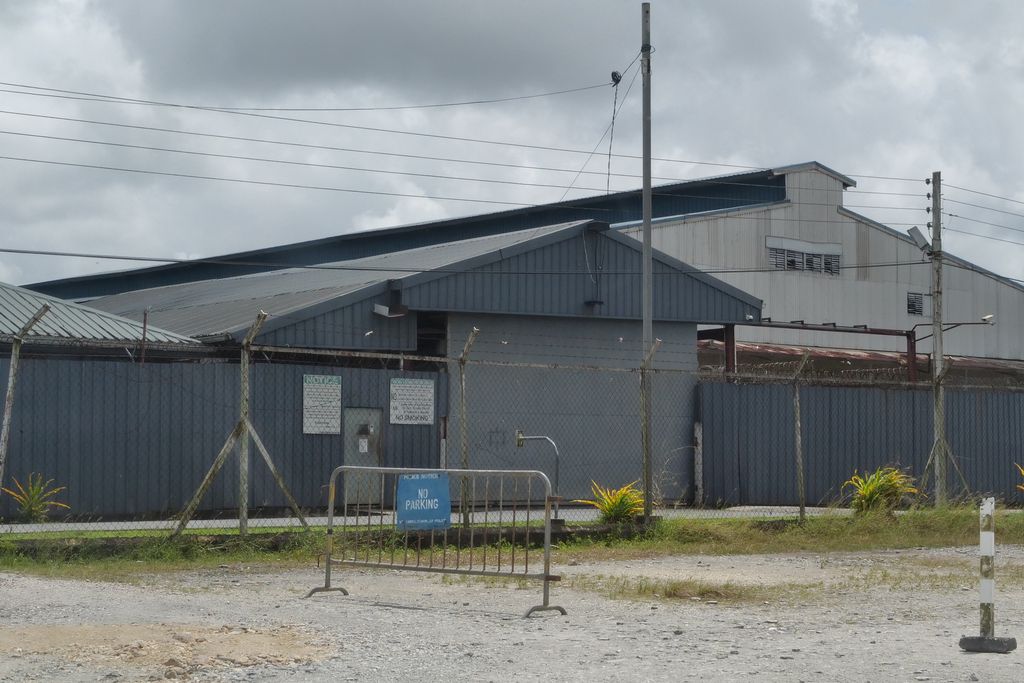
Wilson has been detained at the Eastern Correctional and Rehabilitation Centre (ECRC) since a PDO was issued against him on July 18.
According to his PDO, Wilson was “credibly identified as an active member of an Informal Organised Crime Group (‘ICG’).” It added that the ICG has access to a cache of firearms and ammunition and is engaged in home invasions, shootings, woundings, assaults and witness intimidation. Wilson was described as a senior member and operative for the ICG who, along with others, took part in armed robbery in a public space.
On July 29, nearly two weeks after he was detained, Wilson’s mother, Abena Wilson, wrote to the tribunal seeking an urgent review of his detention, indicating the family could not afford a private attorney and wished to access legal aid.
According to the pre-action letter, tribunal secretary Navaranee Ali-Dookram responded on July 30, advising that the family should first approach the Legal Aid and Advisory Authority for assistance.
However, Ramkhalwhan contended that the tribunal itself has the statutory power under paragraph 7(5) of the Schedule to the Emergency Powers Regulations 2026 to assign legal representation to detainees who lack the means to obtain counsel. He argued the tribunal failed to consider that power, invite an application, or provide reasons for not exercising it.
The attorney further argued that detainees are being deprived of a meaningful opportunity to challenge their detention because no clear procedure exists for obtaining state-funded legal representation.
“An entire class of persons has been deprived of liberty by executive order, told that they may present their case before the tribunal in person or by a legal representative, and then left without any means, mechanism or information by which a legal representative might actually be obtained. We invite the tribunal to state, in writing and in answer to this letter, what procedure (if any) has been established for the making and determination of applications under paragraph 7(5) of the Schedule, and how detainees are informed of it.”
The letter claimed the problem extends beyond Wilson’s case and affects multiple detainees held under PDOs.
“It is not the product of an oversight in the Potential Applicant’s case; it is the condition in which every detainee in this country presently finds himself. It is accordingly the Potential Applicant’s hope that the determination of this challenge will secure, for all persons detained under the EPR now and hereafter, a real and workable means of testing the lawfulness of their detention before the tribunal which the law has constituted for that very purpose.”
Ramkhalwhan also questioned whether the State has provided funding envisaged under paragraph 7(6) of the regulations to pay lawyers assigned by the tribunal, suggesting the legal aid safeguard may have been rendered ineffective through executive inaction.
The attorney argued that if that was not done, then it amounts to a breach of Wilson’s constitutional right to the “protection of the law” under Section 4(b) of the Constitution, since the only mechanism available to a detainee to secure representation before the Tribunal has allegedly not been made operational.
The pre-action protocol letter calls on the SoE Review Tribunal to appoint an attorney for Wilson, the Legal Aid and Advisory Authority to clarify whether it will assist other detainees, and asks the tribunal to explain what procedure exists for detainees to apply for lawyers under the regulations.
Ramkhalwhan gave both the Attorney General and the tribunal one day to respond; failing a response, Wilson said he intends to file judicial review and constitutional proceedings.
Related News

EU finds TikTok violates its digital rule book by failing to protect privacy of minors
Homeland Security Ministry assures 48,000 passports on the way

Four charged after altercation with police at Savannah band launch