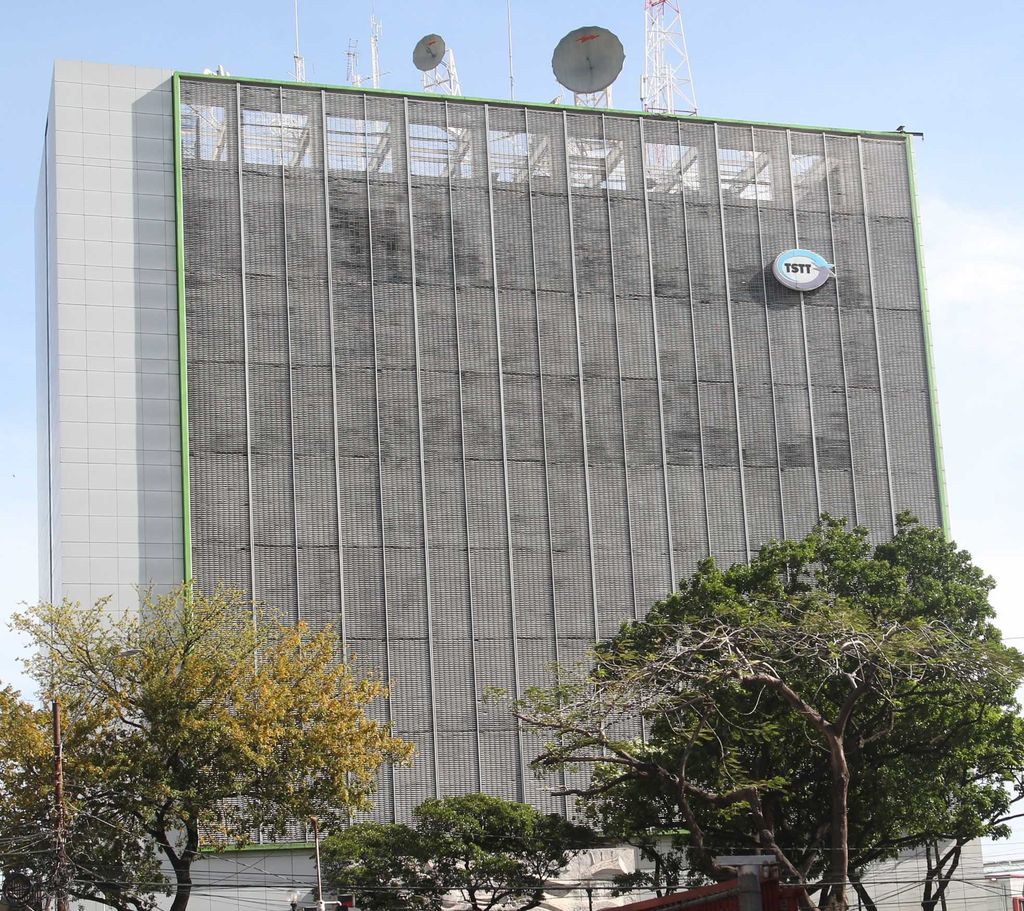

The Telecommunications Services of Trinidad and Tobago Limited (TSTT) has reported its highest annual profit in 17 years, posting a profit after tax of TT$214 million for the financial year ended March 31, 2026.
The company and its subsidiary, Amplia Communications Limited, announced on Saturday that profit more than doubled from the previous financial year, increasing by 103 per cent. The result marks the Group's strongest financial performance since 2009.
The Group also recorded a 9.2 per cent increase in revenue to TT$2.17 billion, describing it as its strongest revenue growth in more than a decade after reversing years of declining earnings.
Operating performance also improved significantly, with EBITDA (Earnings Before Interest, Taxes, Depreciation and Amortisation) rising by TT$135 million, or 17 per cent, to TT$910 million. EBITDA margins remained at about 42 per cent, which the company said reflected sustained operational efficiency and resilience.
TSTT Chairman Kern Dass attributed the performance to the company's long-term transformation strategy and disciplined execution.
"These exceptional results reflect not just a financial milestone, but the relentless dedication and disciplined execution across every level of TSTT," Dass said.
He credited the executive team for restoring the Group to sustainable growth while continuing its transition into what the company describes as a technology-driven organisation.
"While we celebrate this historic 17-year high, our eyes remain firmly on the horizon. This transformation is an ongoing journey, and we are resolutely committed to architecting a stronger, more agile, and future-ready digital powerhouse for Trinidad and Tobago," he said.
According to the company, the improved financial performance was driven by tighter cost controls, stronger operational performance, improved customer service, enhanced commercial execution and continued progress in its transition from a traditional telecommunications provider to a technology-focused company.
The company said it focused on improving network reliability by resolving legacy operational issues, strengthening customer service, refining its product offerings and expanding digital and enterprise technology solutions.
Revenue growth was supported by continued expansion of enterprise services, increasing demand for fibre-based residential services and greater emphasis on digital and data-driven products.
TSTT said the results reflected a significant shift away from dependence on legacy telecommunications services towards platform-based and technology-led revenue streams as part of its TechCo strategy.
Another milestone achieved during the financial year was the return to positive retained earnings of TT$35 million, marking the first time in several years that accumulated losses had been fully eliminated.
The company said the development reflected a stronger balance sheet and improved capital position following several years of sustained profitability.
Acting Chief Executive Officer Keino Cox praised employees across the organisation for contributing to the company's performance.
"These results belong to every employee of the Group. I want to sincerely thank our teams across the organisation for their hard work, professionalism and resilience. Their commitment to serving our customers, improving our network, embracing change and executing our strategy has made this performance possible," Cox said.
He said TSTT had made significant progress in improving network reliability, service delivery and the customer experience over the past year and intended to continue building on those gains.
"Our transformation from a traditional telecommunications company to a technology company is well underway. We are building the networks, platforms and digital capabilities that will define the next generation of connectivity. The future isn't something we are waiting for—the future is now," Cox said.
Despite the strong results, TSTT acknowledged that the telecommunications sector remains highly competitive and capital intensive, with evolving customer expectations and continued pressure on traditional sources of revenue.
The company said its next phase of growth would focus on sustained investment in network modernisation, digital platforms and enterprise technology solutions to support its continued transformation and long-term value creation.