
Senior Reporter
dareece.po[email protected]
The suspension of Trinidad and Tobago’s Military-Led Academic Training (MiLAT) programme has sparked concern among educators and youth advocates, who warn that interrupting the initiative could leave vulnerable young men without one of the country’s most significant interventions against crime and social exclusion.
The Ministry of Defence announced this week that the programme has been suspended while Government reviews its financial viability and considers restructuring options.
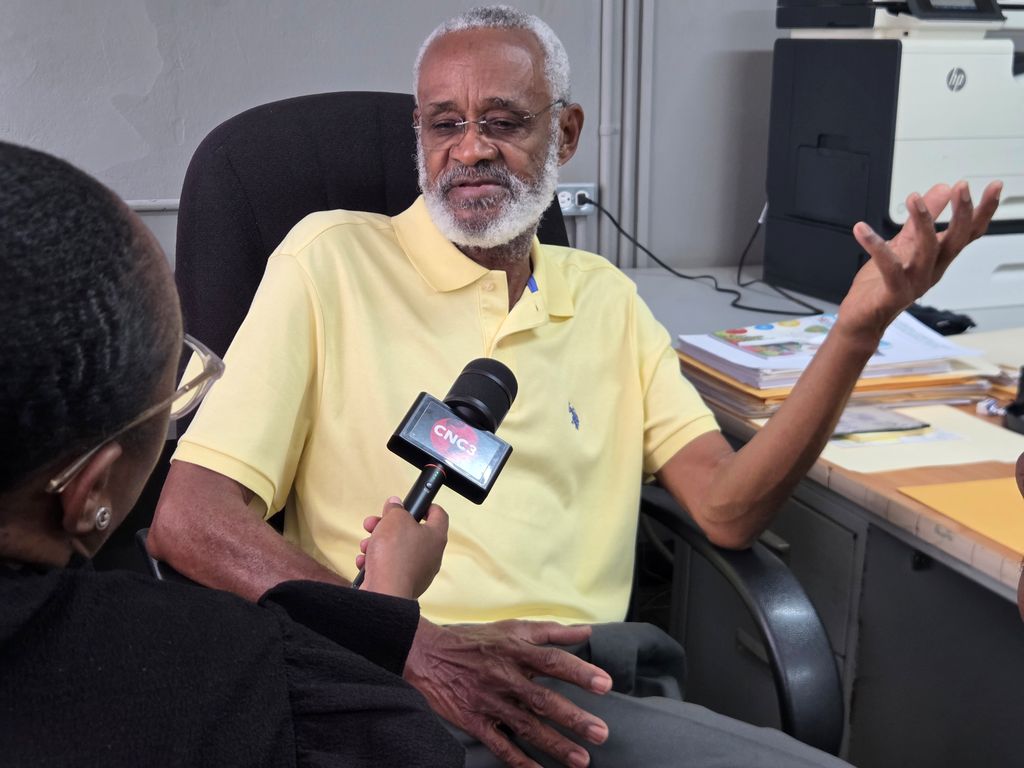
For Llewellyn “Short Pants” Mac Intosh, who served as MiLAT’s curriculum administrator for 17 years, the immediate concern is the 65 cadets who were preparing to sit their Caribbean Secondary Education Certificate (CSEC) examinations next year.
“I addressed them just about two weeks ago, saying to them, well, look, the seniors have left. So, you’ve got not even a year, you’ve got 11 months because the exams will be in May next year. So, you really need to put your head down, organise your studies, do your SBAs, get serious,” Mac Intosh, who is also a veteran calypsionian, said.
“Understand seniors have gone, you all are it. So, organise yourself, get focused and 11 months from now—I mean, I just said that two weeks ago—and then bam. So, you know, that has really been the biggest blow.”
MiLAT is a two-year residential programme for young men aged 16 to 20, combining military discipline with academic instruction to prepare participants for CSEC and Caribbean Certificate of Secondary Level Competence examinations.
Mac Intosh said the programme was never intended as punishment, but as an opportunity for young men who had struggled in the traditional school system.
“Several of them, I mean, they tell you the stories, you know. They liming on the block till two o’clock, they liming on the block till three o’clock, you know. They sleep till 11 o’clock the next day. So, they come here and get structure in their life.”
During his time at MiLAT, Mac Intosh said he witnessed significant changes in the young men enrolled in the programme.
“I have seen guys who come in here and you look at them two years after and they’re different. I mean, there’s a particular one who is now an instructor. I remember him five or six years ago, you know, as a rebellious fellow running up and down and so on. I actually see the transformation.”
He pointed to former cadets who later returned as Defence Force instructors or joined the Trinidad and Tobago Police Service, describing the programme as “a crucible for education at different levels.”
Mac Intosh also highlighted the programme’s academic results, saying its 2024 cohort produced its strongest CSEC performance.
“Nearly 60 per cent of them got five passes, got well, what we call a full certificate. That is five passes and two of the passes, English and Mathematics, right? And then you might have had some who would have gotten four passes and some gotten three passes. In fact, in 2024, everybody got at least a single pass.”
Despite those outcomes, he said MiLAT had consistently operated with limited resources and believes greater investment in youth development could reduce future spending on crime fighting.
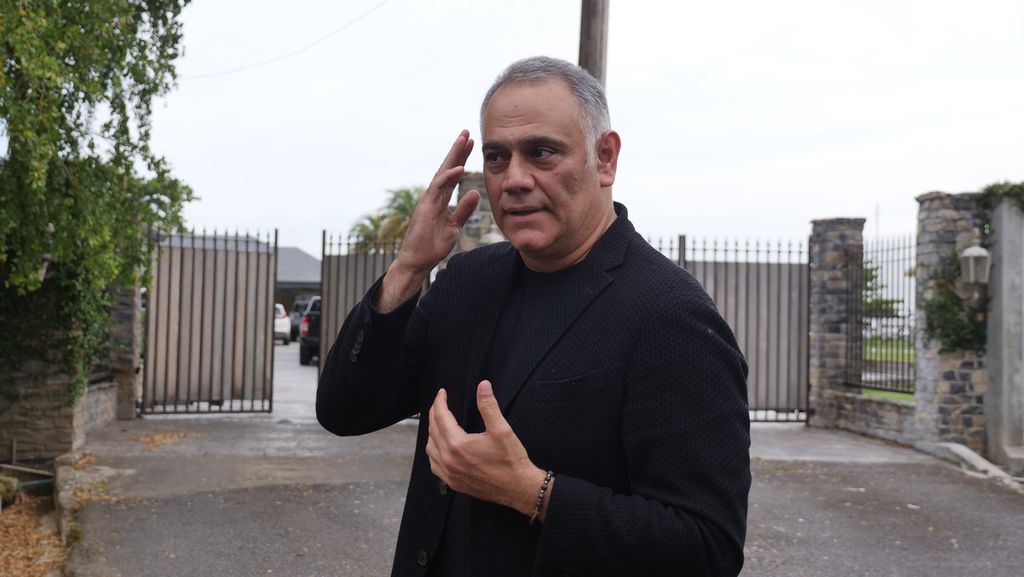
Also contacted, youth advocate and Fathers’ Association of Trinidad and Tobago president Rhondall Feeles said programmes such as MiLAT should be protected from disruptions caused by changes in administration.
“That disconnect and that discontinuation, you change the head manager, you change the supervisor who was in charge of the programme and you change and you change. And sometimes they reinstall somebody who don’t have a passion or connectivity because they wasn’t there when it originated.
“These are some of the things that create the challenge. These are some of the things that create the problem for the very groups that remain there and need the assistance to continue moving forward.”
Feeles also warned that young people outside the education system remain particularly vulnerable to criminal recruitment.
“My fear is we don’t want a Venezuelan gang or a Trini-Venezuelan gang, a Trinizuelan gang, now to develop with young people to add to the number of gangs. Because we must identify that we have a group of young people who, because of their status here, are not enlisted in schools or enlisted in trade centres.”
He also called for tougher legislation specifically targeting gang leaders and members who recruit young people, along with stricter regulation of music played on radio stations that promotes sexual content and criminal activity.
“The explicit sexual content has gone from 10 to 100. Of course, censorship and banning needs to take place for this type of music that is overly sexualised and overly explicit and promotes criminal intent like murder, rape and robbery, and these types of things,” he said.
“There must be a way to remove it entirely, not even censor it, particularly when you’re seeing young adults and even children making songs of that content or singing songs written by adults. There must be consequences for adults giving children those songs to sing.”
He also argued that arts education should be expanded, with greater emphasis on music and theatre alongside traditional academics.
He said schools should provide structured opportunities for children interested in songwriting and music production, allowing them to develop their talents in a positive environment.
For Mac Intosh, however, MiLAT’s legacy extends beyond examination results or employment outcomes.
“Some of them have really had difficult, in some cases, tragic lives and they come here for two years, they get away from it and they get a chance to focus on something else and come out at the end of two years a better being.”