
Senior Reporter
dareece.po[email protected]
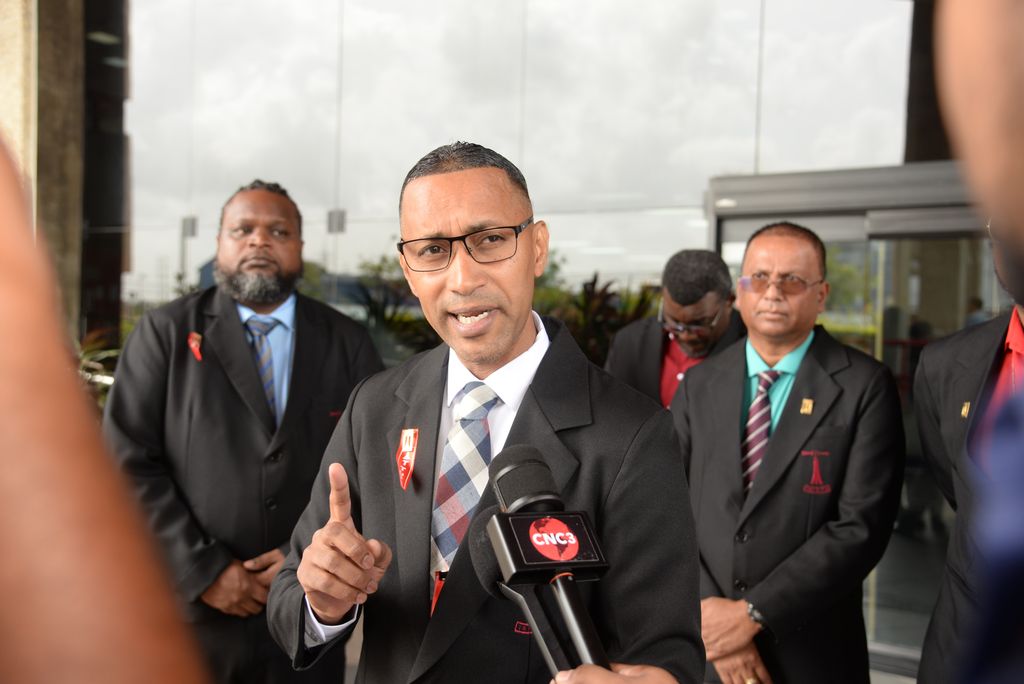
Former Trinidad and Tobago Contractors Association president Mikey Joseph says the Housing Development Corporation’s (HDC) decision to withdraw $3.4 billion in housing contracts appears to be an attempt to contain further embarrassment and restore confidence in the public procurement process.
The HDC cancelled the procurement exercise on Thursday through an internal memorandum, two months after the Office of Procurement Regulation (OPR) instructed the state agency to suspend the contract awards to 11 companies pending a comprehensive review of the tendering process.
The contracts, which involve the construction of 3,700 housing units, came under scrutiny after the Opposition raised concerns about the method used to award them. The Opposition also called for a criminal investigation, alleging that some of the 11 companies were recently incorporated.
Joseph, who was involved in discussions on the development of Trinidad and Tobago’s procurement legislation, argued that the projects should never have been awarded through a sole-select procurement process.
He said sole-select arrangements are intended for highly specialised goods or services where only a limited number of suppliers can meet specific technical requirements. Housing construction, he argued, does not fall into that category, given the large number of local and international contractors capable of undertaking such projects.
“I believe the HDC would have looked at all that transpired and recognised it’s not going to reflect well on them. So, in order to save face, the best way to deal with it is to cancel those contracts and try to put in place what would appear to be a proper procurement procedure and process so they could get better accountability,” he said.
Joseph said the Public Procurement and Disposal of Public Property Act was developed over nearly two decades and is founded on three central principles: integrity, transparency and value for money. While acknowledging that a fresh procurement exercise could improve accountability, he cautioned that it would not automatically guarantee better value.
“I’m not sure about value for money because sometimes, just by the clauses you put into your appendix, you could end up with contracts skewed to a certain vendor or supplier. So I’m not sure that is going to guarantee us value for money, but it could bring in a little more value and it could let the public know exactly what they’re getting into.”
He also weighed in on Government’s plans to expand public-private partnerships in the housing sector. On Thursday, Minister in the Ministry of Housing Phillip Edward Alexander disclosed that Government was exploring broader partnership arrangements with private developers as part of efforts to accelerate housing construction.
Joseph argued that such arrangements must remain subject to the same level of scrutiny as any other public procurement exercise, particularly where state assets are involved.
He said there is a misconception that public-private partnerships fall outside the scope of procurement legislation because private financing may be involved. However, he argued that state lands and other public assets still constitute public value and must therefore be subjected to the safeguards established under the law.
“Once you’re talking about state property, there’s a value to it, and the Act is not only for the Government procuring property, but also for the disposal of state property as well. So it’s laughable when I hear people suggest they are operating in a vacuum with the legislation. They are choosing what parts of the legislation to reference and which parts they are not reading, to determine whether they are operating within the framework of the law.”
The former Contractors Association head also noted that the matter remains before the Office of Procurement Regulation, which retains broad investigative powers.
He said that if the regulator determines procurement rules were breached, its findings can be referred to the Director of Public Prosecutions for further action.
Under the Public Procurement and Disposal of Public Property Act, breaches can attract significant penalties depending on the nature and severity of the offence, including fines running into millions of dollars, imprisonment, and disqualification from bidding for state contracts.