
ANGELO JEDIDIAH
Reporter
angelo.jedidi[email protected]
With the start of today’s planned strike by maxi taxi operators across the country, members of the business community fear it could bring widespread disruption to businesses and essential services across Trinidad and Tobago.
This comes as the Association of Maxi Taxi Trinidad and Tobago confirmed that more than 5,000 operators are planning a three-day shutdown to protest what they describe as years of neglect and unresolved grievances.
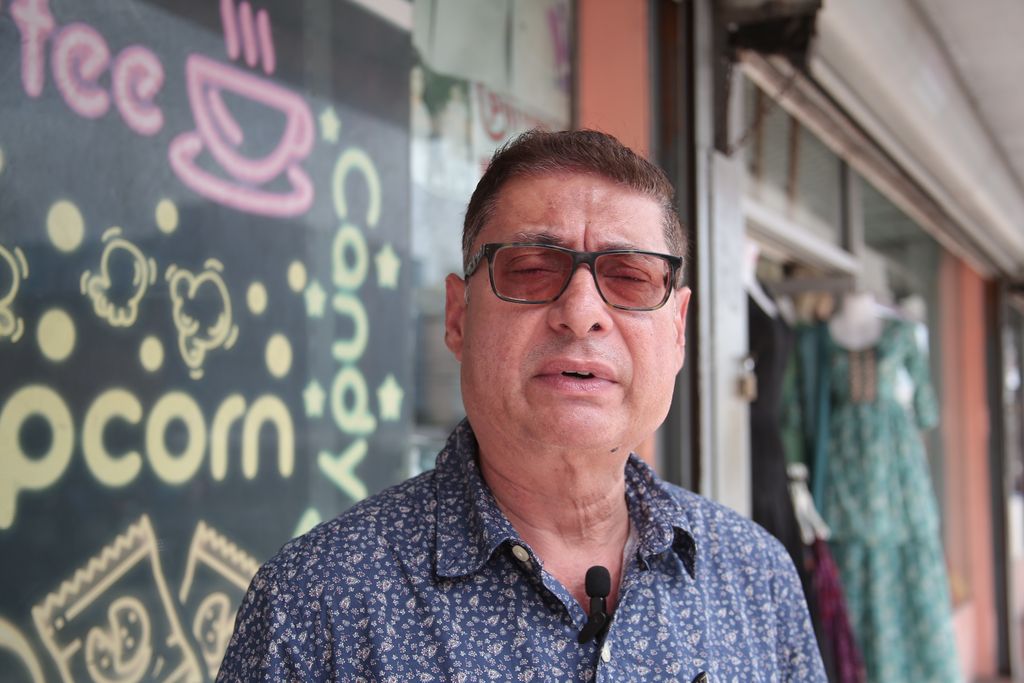
Greater San Fernando Chamber of Commerce president Kiran Singh said the shutdown could have far-reaching consequences across multiple industries.
“This has the potential to be widely disruptive nationwide,” Singh told Guardian Media yesterday.
“If it goes ahead as planned, businesses may see some challenge to remain open if workers are challenged in terms of getting transport to get to work. The maxi taxis, as we know, they are a vital cognitive wheel of transport nationwide. The PTSC is not adequate to take the capacity of passengers on a daily basis to their destinations.”
Singh noted that the business community and the wider public will only be able to fully assess the impact of the strike on businesses in South Trinidad and the rest of the country once the action gets underway.
However, he admitted it could prove to be a horrific ordeal for many.
“Government workers as well, they need to utilise the maxi taxis. Even the taxis are not enough, they are more expensive than the maxi taxi to get to their places of work if they have medical appointments. And it even infiltrates further down in that school children, school is in session. And exams, this is a critical time for school children.”
He added that the consequences could ripple through the wider economy, affecting industries not immediately associated with public transportation.
“The gas stations will be impacted. If the vehicles are not on the road, they don’t need to go to the gas station. It has the potential to really impact every single person in the country.”
In an interview with Guardian Media, Downtown Owners and Merchants Association (DOMA) president Gregory Aboud agreed that while the exact financial loss cannot yet be quantified, businesses are already navigating a difficult economic climate.
“What I can say is that at this time, we are experiencing some weakness in overall trade and business volume. Everybody’s talking about it,” Aboud said.
He added that while maxi taxi operators may have legitimate qualms and complaints, holding the country to ransom will be difficult for citizens to endure.
“The maxi taxi operators have legitimate complaints; we need to know what they are. We certainly don’t support the idea of them attempting to damage the operations of the T&T economy. And of course, they are hoping to damage it, because they are hoping to get some reaction from the authorities and from the public to cry out and say, ‘Look, please. Find out what these people want and try and solve it with them.’”
Aboud warned maxi-taxi operators not to put themselves in a position where the public learns to do without their services altogether.
Nevertheless, he said this week’s strike action should prompt renewed dialogue to address the country’s chaotic transportation system, including public transport challenges and daily traffic jams.
In an effort to mitigate worsening traffic woes in the capital city with this week’s strike action, Aboud urged commuters to carpool.
“I’m not sure that bringing your own car is going to be the option. I would suggest that if you are already using your own car on a normal basis to come into the city, you could continue to do that,” he said.
“But while you’re on your way, if you could try to assist those who don’t have transport, because of this action, by giving them a lift into the city.”
Aboud urged maxi-taxi officials and the relevant government authorities to engage in urgent dialogue to avoid further disruptions.