
Senior Reporter
otto.carring[email protected]
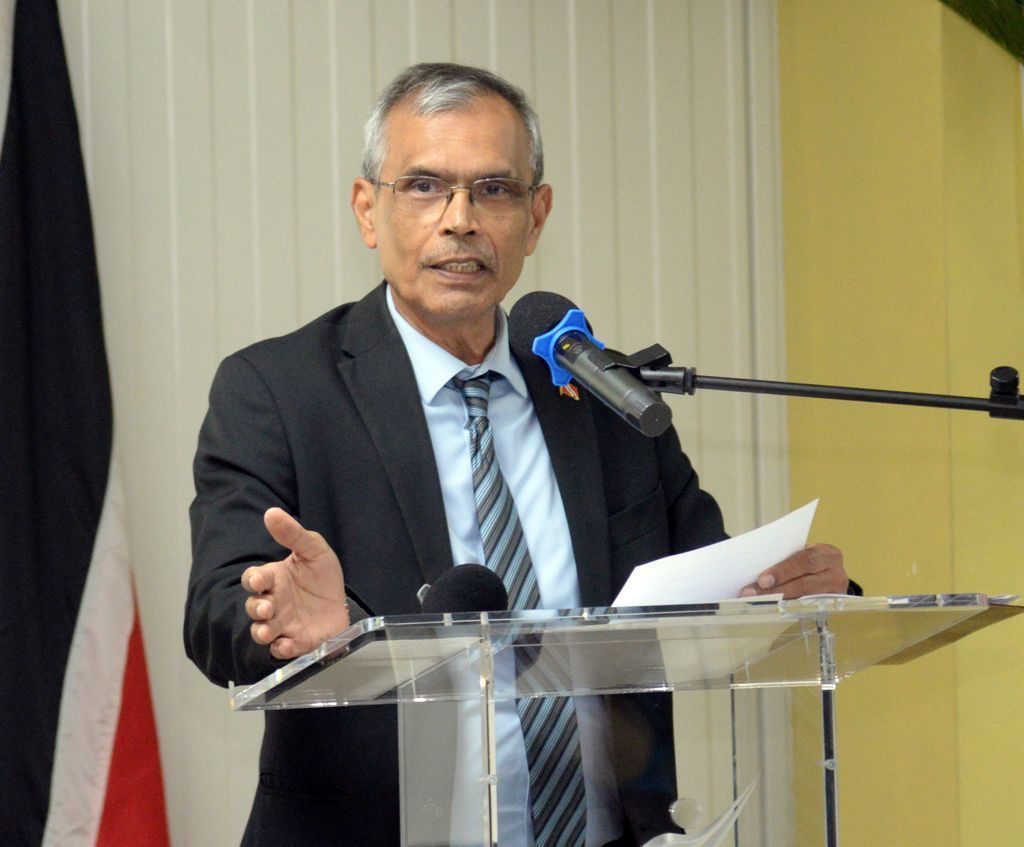
Warning that too many young men are falling behind in education, employment and training, Minister of Tertiary Education and Skills Training, Prakash Persad, yesterday described the issue as a growing social crisis.
He said the Government’s new Technical and Vocational Education and Training (TVET) Industry Connection Labs and Incentive Programme must directly target struggling young males across Trinidad and Tobago and the wider Caribbean.
“Young males are not doing well. They are the ones who seem to be in some degree of distress,” Persad said at the launch of the regional initiative at the Youth Training and Employment Partnership Programme’s (YTEPP) Chaguanas headquarters.
Persad said while women and marginalised groups remain important priorities, more attention must be placed on young men who are increasingly disconnected from employment, education and training opportunities.He said the initiative was designed to create new pathways through apprenticeships, entrepreneurship programmes, digital learning platforms and micro-credential certification.
“This initiative demonstrates the power of strategic regional integration and international cooperation in addressing shared development priorities,” Persad said.
“The future competitiveness of Caribbean economies depends heavily on how effectively we invest in human capital, digital transformation and inclusive workforce development.”
The programme involves partnerships with the Caricom Secretariat, the Caribbean Association of National Training Agencies, Brazil’s ABC and SENAI agencies, the European Union and German technical cooperation partners.
Persad said T&T was selected as one of the pilot countries for the initiative, which seeks to modernise TVET systems across the Caribbean while strengthening links between employers, communities and training institutions. He said the ministry will lead the initiative through the National Training Agency and the YTEPP.
He also announced plans to expand micro-credential programmes to help citizens without formal qualifications gain entry into training and employment opportunities.
“We don’t want to lower the bar. We want to raise people up to reach the bar,” he said.
He stressed that Government is also shifting TVET programmes toward entrepreneurship and self-employment.
“The idea is not just to train people to look for jobs,” he said.
“The idea is that self-employment and entrepreneurship become a critical part of the process.”
Persad added that Government’s wider human capital development agenda under Prime Minister Kamla Persad-Bissessar, is aimed at ensuring vulnerable and underserved communities are not left behind in national development.
“National transformation cannot occur without human development. Economic growth cannot occur without skills, and social progress cannot occur when sections of society remain excluded from opportunity,” Persad said.
Related News
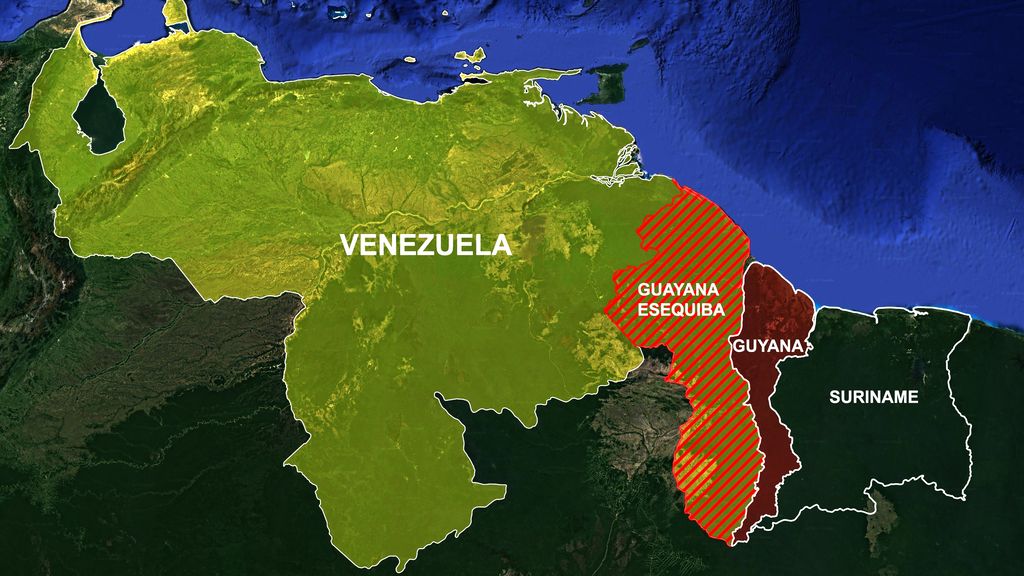
Guyana presses Venezuela on border gunfire as they vie over an energy-rich region

High Wind Alert issued for Trinidad and Tobago as gusts expected to intensify this weekend

Police seek help finding missing Chaguanas teenager