
Raphael John-Lall
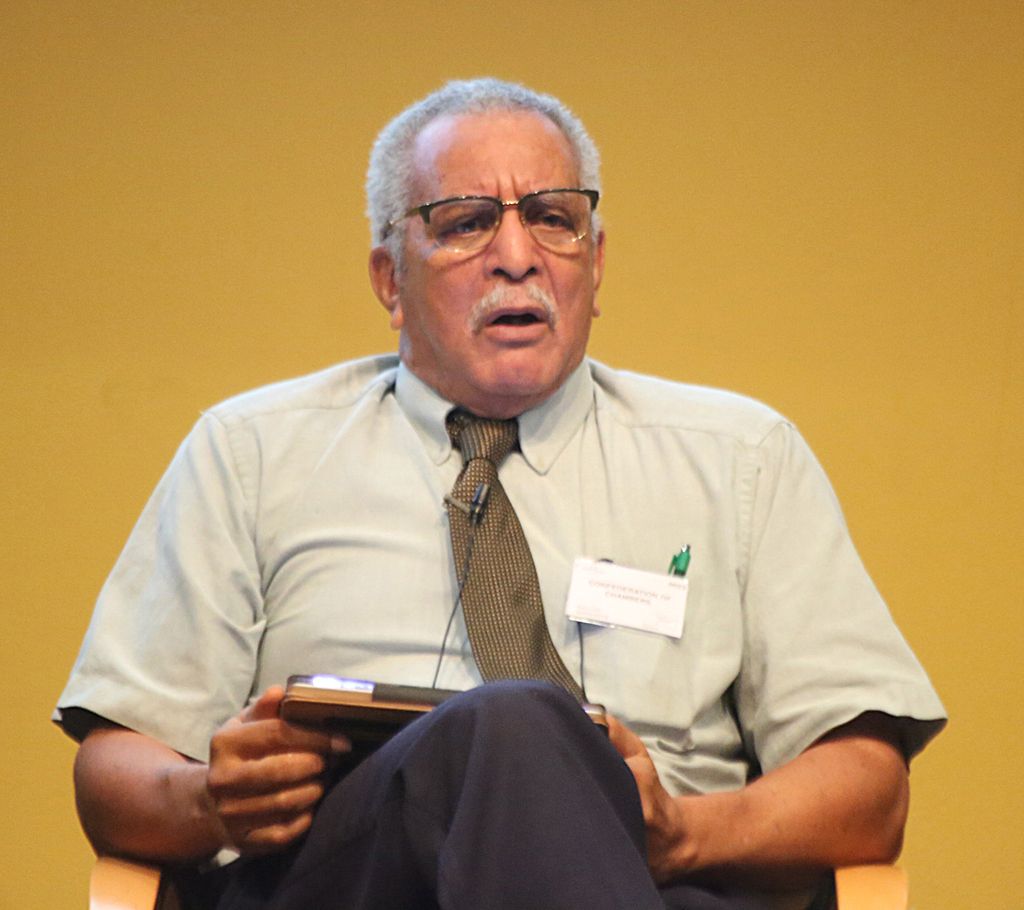
Former head of the Institute of International Relations at the University of the West Indies (UWI), Dr Anthony Gonzales, says Venezuela’s acting President Delcy Rodríguez should be free to dress as she chooses, while urging the Government to “tone down” its criticism of Caracas amid ongoing diplomatic and energy negotiations.
“You cannot tell Venezuela’s acting President what to wear. She can wear what she wants. I don’t see the fuss,” he told Guardian Media in a telephone interview.
However, Gonzales cautioned that Trinidad and Tobago must prioritise concluding energy negotiations with Venezuela, noting what he described as a concerning lack of public acknowledgement from Venezuelan leadership toward the T&T Government.
“There seems to be something happening. The Venezuelans are not pushing because of the tensions in the past. I think that T&T’s Government must tone down its criticism of Venezuela,” he said.
“T&T’s leadership thought that the US Government would change the entire Venezuelan Government and it did not happen. The Americans don’t want Iraq-type chaos in the region.”
He expressed confidence that despite diplomatic tensions, commercial energy arrangements involving multinational companies would still proceed.
“The private sector and multinationals will eventually bring the gas here,” Gonzales said.
“T&T’s Government should just sit quietly and deal with all sides.”
His comments come as Foreign and Caricom Affairs Minister Sean Sobers said Trinidad and Tobago is focused on advancing diplomatic and energy negotiations with Venezuela, rather than commentary on the attire or jewellery worn by Rodríguez.
Sobers made the remarks during last week’s post-Cabinet media briefing, amid controversy surrounding a brooch worn by Rodríguez depicting a map of Venezuela that includes Guyana’s Essequibo region.
Last month, Guyana President Irfaan Ali wrote to Caricom chairman Terrance Drew objecting to the use of the brooch during official regional engagements.
Meanwhile, Venezuelan energy analyst Dr Einstein Millán Arcia, a former adviser to PDVSA, said prospects for finalising new energy agreements remain “complex,” despite ongoing diplomatic engagement.
He previously served as adviser to the late Venezuelan Oil Minister and PDVSA president Nelson Martínez.
In early April, Prime Minister Kamla Persad-Bissessar announced plans for a diplomatic delegation to travel to Caracas to advance talks on stalled energy projects, including the Dragon gas initiative and the Loran-Manatee field, as part of efforts to secure T&T’s “just share” of cross-border resources.
Millán Arcia said political considerations must be set aside if commercial progress is to be achieved.
“The diplomatic delegation to Caracas has one mission: to secure operations across cross-border oil and gas assets where Venezuela has the largest share, and without which development efforts on the T&T side will become uneconomic,” he said.
He said diplomatic constraints, including Venezuela’s designation of certain officials as persona non grata, continue to complicate engagement.
“These complexities are expected to continue beyond the apparent wording. In summary, Delcy Rodríguez is expected to continue issuing strong warnings through diplomatic channels, while still shaping the space for both business and political engagement,” he said.