
RALPH BANWARIE
GML Correspondent
Rural communities such as Matura and Toco can no longer assume they are immune from crime because criminals are adapting and targeting vulnerable coastal areas, Senior Superintendent has warned.
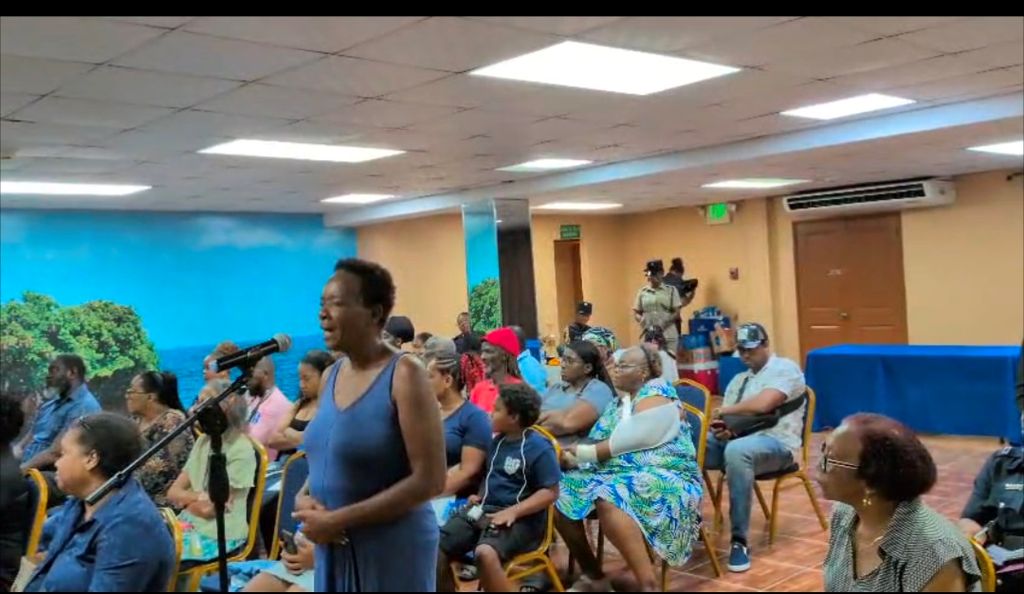
Speaking during a town meeting hosted by the at Plaza Del Estate along the Toco Main Road on Thursday night, Paponette said policing strategies in the Eastern Division were changing in response to evolving criminal activity.
“Not because crime is spiralling out of control, not because communities have collapsed, but because Trinidad and Tobago is changing. Criminals are changing, violence is changing and rural communities can no longer assume they are too remote, too quiet or too peaceful to become targets. That illusion is gone,” he said.
Paponette said communities such as Matura, Matelot, Grand Riviere and the north-eastern corridor were once viewed as isolated from the problems affecting urban areas, but criminals were now studying coastal communities for opportunities.
“Criminals do not respect geography. They study opportunities, they study movements, they study vulnerabilities, they study silence and increasingly they are studying coastal communities,” he said.
He said coastlines provided movement, fishing depots provided cover, remote roads allowed concealment, poor lighting created anonymity and sparse populations reduced the likelihood of witnesses.
“And when communities become divided or disengaged, criminals believe they can quietly establish influence before anyone notices,” he added.
Paponette said the Eastern Division had deliberately changed its operational philosophy and was now focused on preventing criminal networks from establishing themselves in rural communities.
“We are no longer policing only for what crime is, we are policing for what crime can become,” he said.
Residents attending the meeting raised concerns including praedial larceny, speeding vehicles, the lack of speed humps, illegal quarrying and insufficient police patrols.
Despite the complaints, several residents commended Sgt Hazel and officers attached to the district for their work despite limited resources. Some residents described Hazel as the best sergeant they had experienced in Matura.
Acting principal of Dolores Richards also praised officers for their intervention at the school, saying discipline among students had improved.
Assistant Commissioner said it was unusual to hear a community speaking positively about police officers.
“I was speaking with Snr Supt Paponette a while ago about transferring Sgt Hazel,” Singh joked.
Singh also warned about the influence of social media, gangs and music on young people, saying communities needed to play a greater role in shaping children’s behaviour.
“You cannot want to smoke weed and tell your child not to do it. You cannot cuss your neighbour and tell your child do not do it. Children learn what they live,” he said.
He said schools, youth clubs and station councils remained important in preventing criminal behaviour before it escalated.
Addressing concerns about praedial larceny, Singh suggested farmers work together to purchase drones to monitor crops and assist police in identifying thieves.
He also said information on legal firearms and citizen’s arrests would be addressed during another session.
Related News

Supermarket operators warned to comply with labour laws

Haiti’s security situation continues to deteriorate
Hospital visitors urge politicians to unite on crime fight