Senior Reporter
otto.carrington
A senior Shia Islamic leader is calling on the Government to urgently reassess its decision to designate several international organisations as terrorist entities, warning that the move risks importing foreign geopolitical conflicts into Trinidad and Tobago’s domestic legal and political space.
Imam Jaffari Saleem, of the Ahlul Baye Islamic Association of T&T, said yesterday that the move was a “serious and unnecessary escalation” that could carry diplomatic and social consequences for the country.
In gazetted notices published on Monday, the Government listed Hezbollah, Hamas and Iran’s Islamic Revolutionary Guard Corps (IRGC) as terrorist entities. The designations were issued under the country’s counter-terrorism framework and accompanied by High Court orders freezing assets linked to the listed entities pending further legal proceedings. The decision has not only triggered a major legal and financial response under T&T’s Anti-Terrorism Act but also placed Muslim bodies locally in a bind, as it could also affect funding to their organisations locally.
The orders effectively restrict the movement of any property or financial holdings associated with the designated organisations, as part of measures aligned with anti-terror financing obligations locally.
Saleem argued that while T&T has a legitimate right to protect its national security and comply with international financial regulations, the current approach risks overreach by applying external geopolitical classifications without sufficient local context or evidence of domestic operational activity.
He said there is no publicly available intelligence indicating that any of the listed organisations maintain a presence, infrastructure or operational network within T&T, warning the measures could instead create “political and diplomatic spillover effects” unrelated to local security realities.
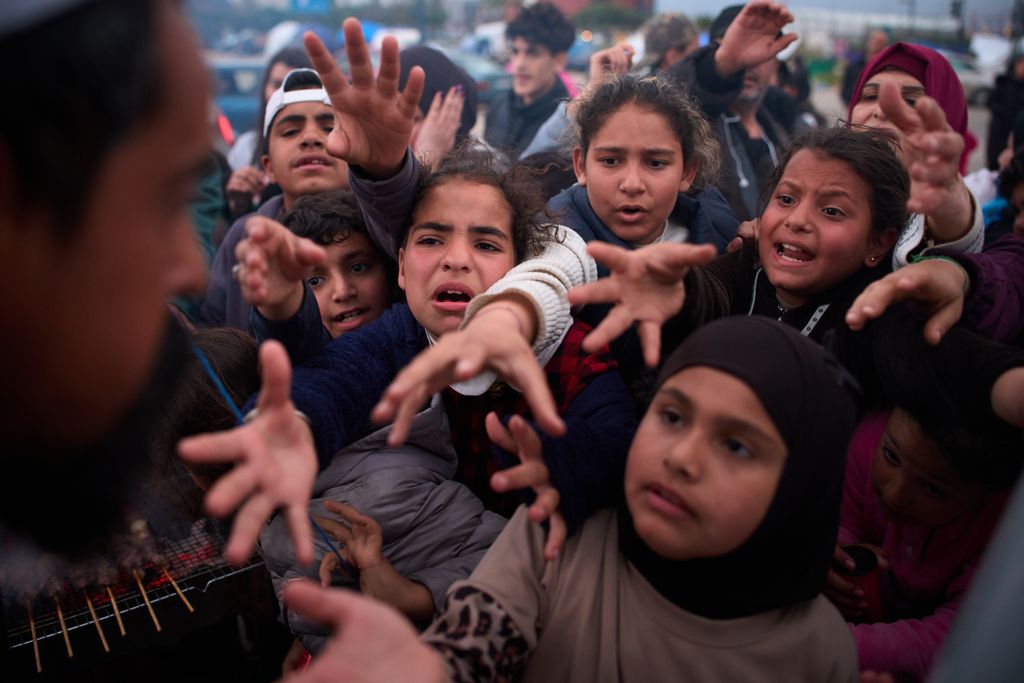
He also contended that the decision effectively mirrors positions taken in broader international disputes, particularly in relation to tensions involving Iran, Gaza and Lebanon, and cautioned that T&T must avoid being drawn into conflicts originating outside the region.
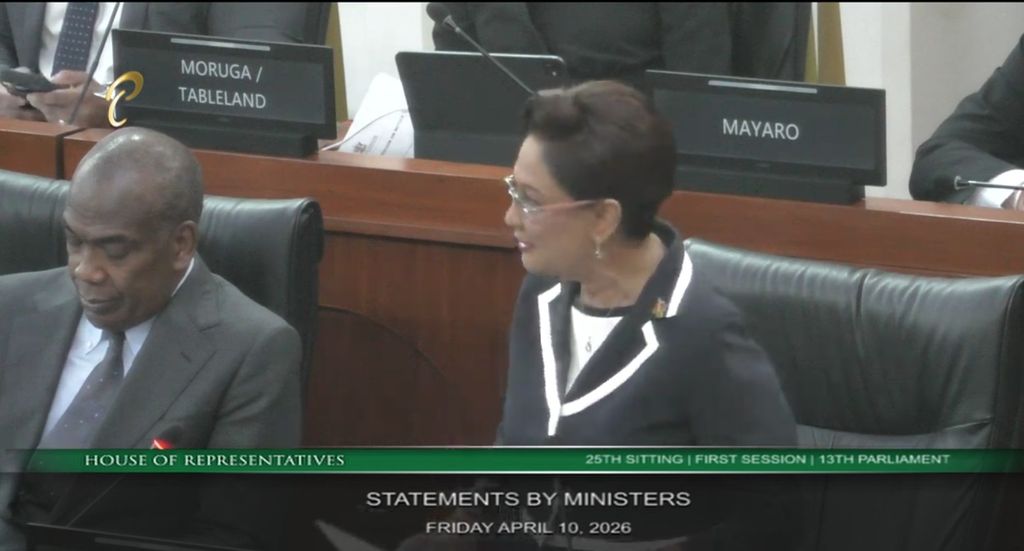
He urged Prime Minister Kamla Persad-Bissessar to reconsider the policy framework guiding the designations, arguing that counter-terrorism laws should be applied with strict evidentiary thresholds and independent assessment rather than external political alignment.
Saleem also reiterated that international law, including principles set out by the United Nations, requires states to act in accordance with sovereignty, proportionality and non-interference, warning that failure to do so could undermine T&T’s credibility in multilateral forums.
The Government has maintained that the measures form part of its obligations to strengthen counter-terrorism financing controls and align with global security standards, but the decision has sparked growing public debate over the balance between national security enforcement and foreign policy independence.
Guardian Media reached out to Prime Minister Persad-Bissessar, Attorney General John Jeremie, Homeland Security Minister Roger Alexander, Minister of Defence Wayne Sturge and Foreign and Caricom Affairs Minister Sean Sobers for comment but has so far received no responses.