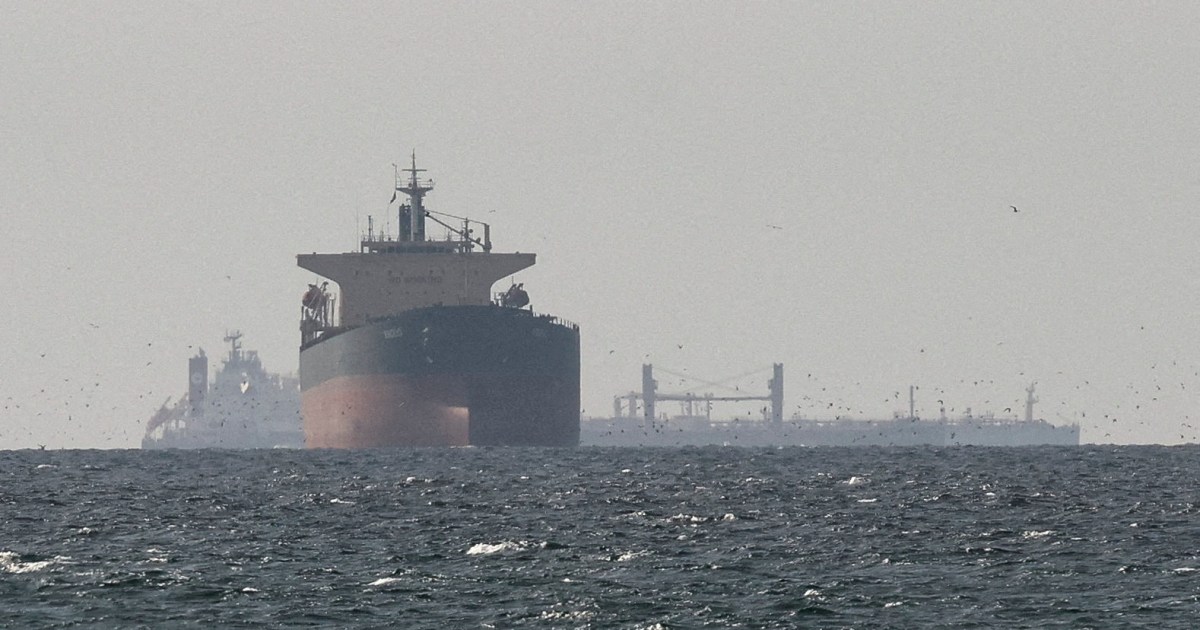

Iran’s Foreign Minister Abbas Araghchi has blamed the United States-Israel war for disruptions to shipping in the Strait of Hormuz, the critical global artery through which one-fifth of the world’s oil shipments transit.
In a phone conversation with UN Secretary-General Antonio Guterres on Tuesday, Araghchi said every country and international institution concerned with peace and security must condemn the US and Israel and demand an “end to their military aggression against the Iranian nation”, according to Iran’s semiofficial Tasnim news agency.
- list 1 of 3Israel claims to have assassinated commander of Iran’s Basij militia unit
- list 2 of 3Why the Iranian regime did not collapse after Khamenei’s assassination
- list 3 of 3Gulf economies suffer brunt of Iran war as recession risk looms
end of list
A barrel of Brent crude, the international benchmark, was up 2.5 percent at $105.70 on Monday. That is more than 40 percent higher than before the war began on February 28.
Several nations are reported to be negotiating with Iran for safe passage, after a senior adviser to Iran’s Islamic Revolutionary Guard Corps (IRGC) announced on March 2 that the strait was “closed” and threatening to set transiting ships “ablaze”.
Araghchi on Monday said the strait was “open, but closed to our enemies”.
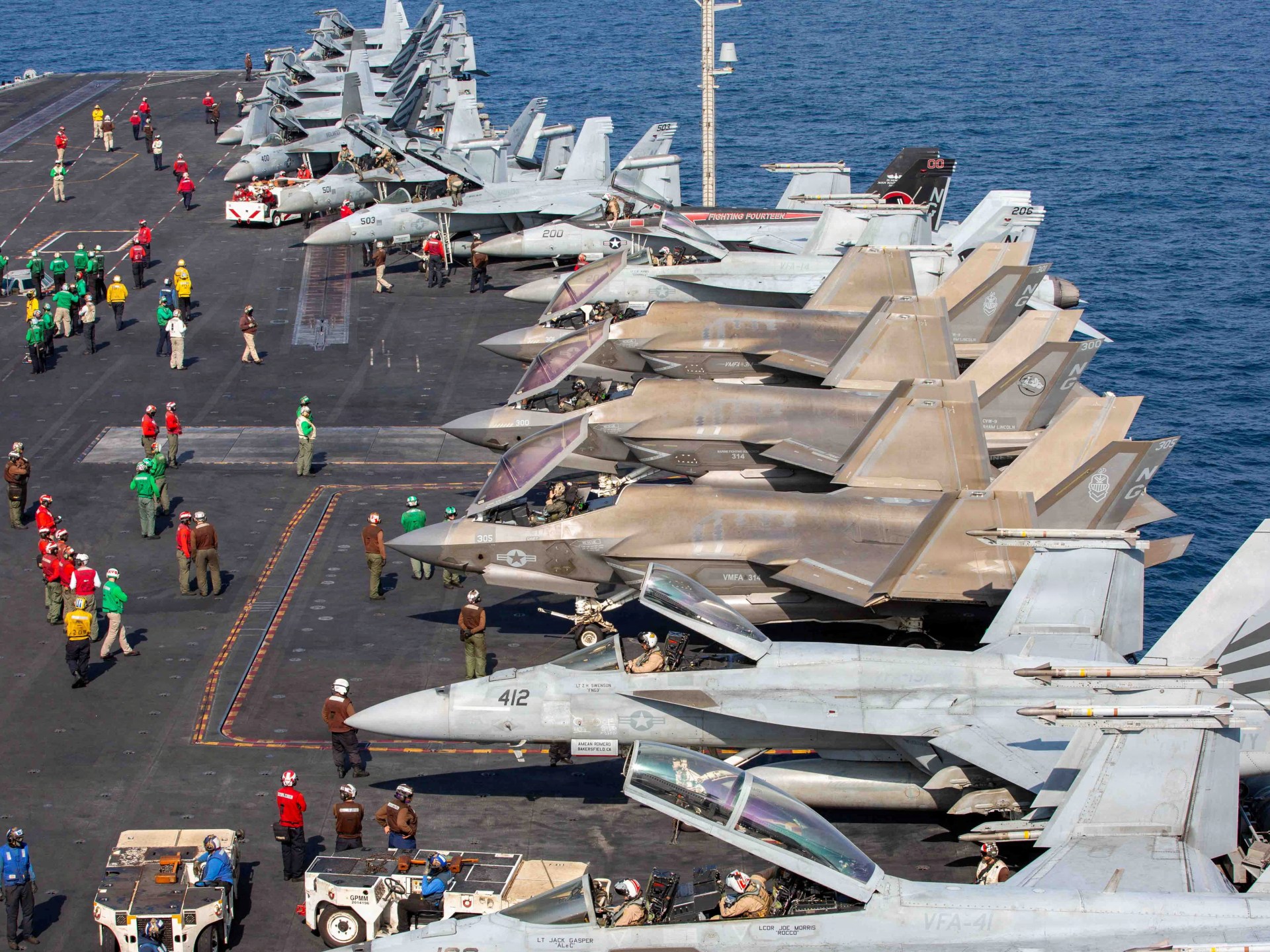
US President Donald Trump over the weekend called for a naval coalition to join the US Navy in securing the waterway, but no countries have so far pledged to join. He specifically asked NATO member states to join the coalition, threatening that they would face a “very bad future” if they failed to assist the US.
European Union foreign policy chief Kaja Kallas on Tuesday said the bloc was looking for diplomatic solutions to guarantee transit through the Strait of Hormuz and mitigate the effect of soaring energy prices for global financial and energy markets.
Advertisement
The official said the EU was not looking to expand its Aspides mission, which was established in 2024 to protect ships from attacks by Yemen’s Houthis in the Red Sea. Before a meeting of EU foreign ministers in Brussels on Monday, Kallas had suggested that expanding Aspides was the “fastest” way to boost security in the Strait of Hormuz.
“Nobody is ready to put their people in harm’s way,” the foreign policy chief told the Reuters news agency. “After the hostilities have stopped, then the case might be different.”
Kallas said the war in Iran was started by the US and Israel without consulting the EU and despite the bloc’s calls for restraint. “This is not Europe’s war,” she said. “We are allies of America, but we don’t really understand their moves recently.”
The head of the International Maritime Organization (IMO) said naval escorts through the Strait of Hormuz would not “100 percent guarantee” the safety of ships attempting to transit the waterway.
Military assistance was “not a long-term or sustainable solution” to opening up the strait, Arsenio Dominguez told the Financial Times.
Iraq’s Oil Minister Hayan Abdul-Ghani on Tuesday told Al Jazeera that the country had reached an understanding with Iran for its oil tankers to cross the Strait of Hormuz.
India’s Ministry of External Affairs spokesman dismissed reports that New Delhi discussed with Iran potentially returning three seized Iran-linked tankers as part of a security arrangement.
The comment follows reports that Iran had sought the return of the tankers, seized near Iranian waters in February, in return for ensuring the safe passage of India-flagged or India-bound vessels through the Strait of Hormuz.
Related News
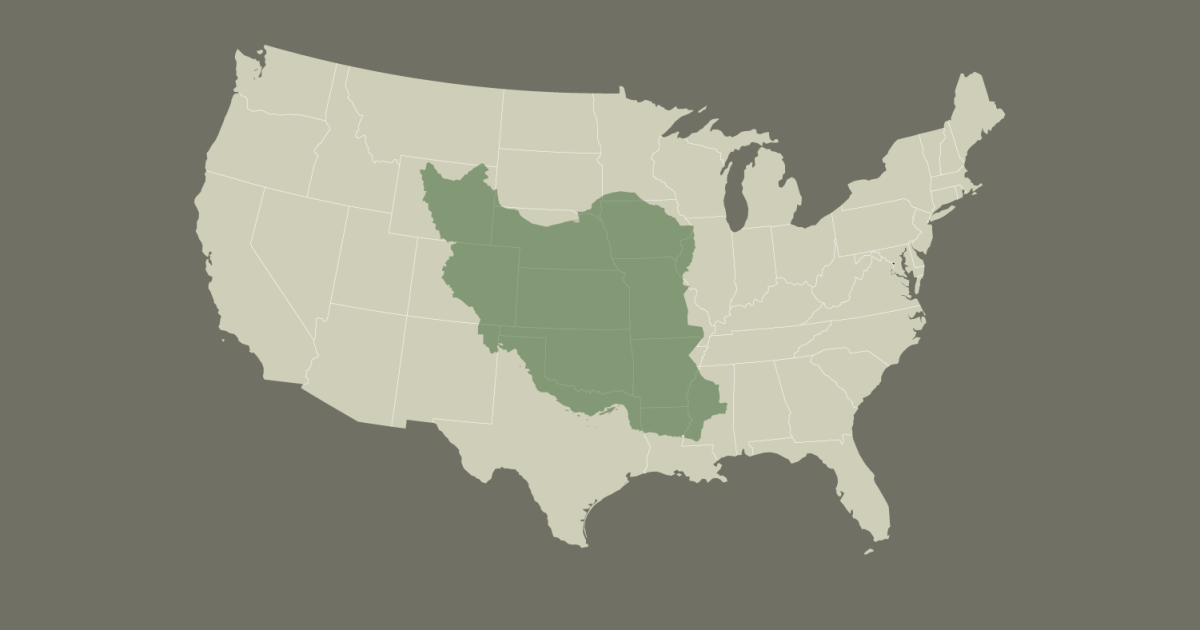
Map shows how big Iran is compared with the 50 US states
Trump’s endgame in Iran: Regime change without US ‘boots on the ground’

Thousands flee Akobo after South Sudan army issues forced evacuation order