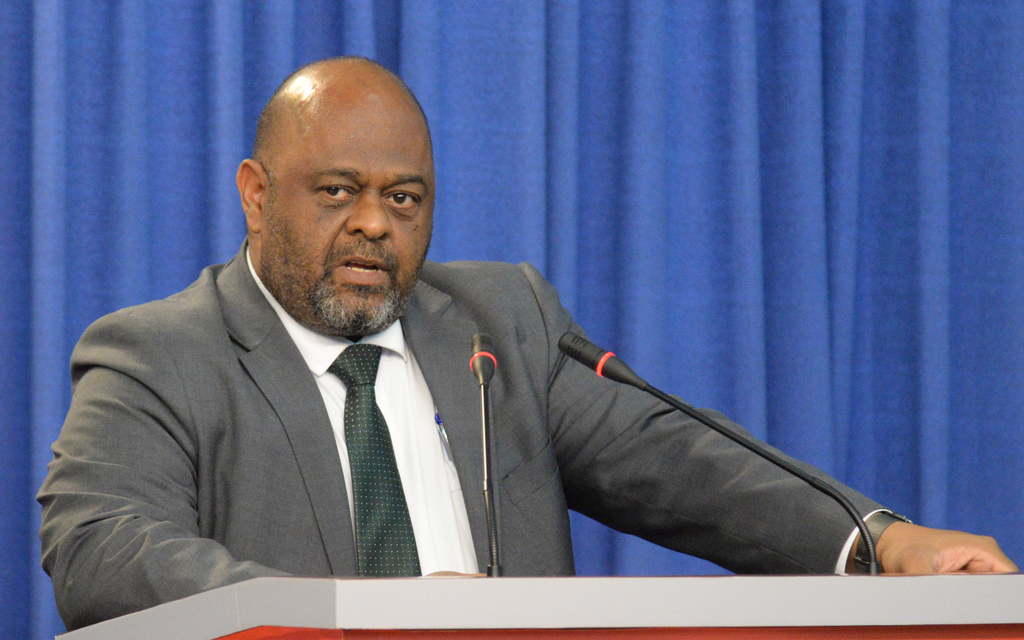

Defence Minister Wayne Sturge invoked the 2014 murder of Senior Counsel Dana Seetahal during debate on the extension of the State of Emergency, arguing that authorities failed to act decisively despite intelligence suggesting her life was under threat.
Speaking in the Parliament of Trinidad and Tobago on Friday, Sturge claimed law enforcement at the time relied on surveillance rather than taking preventative action.
“Dana Seetahal also knew she was going to get killed,” Sturge said. “They listened and they listened and they listened, and now she’s not here.”
Opposition MP for Port of Spain North/St Ann’s West Stuart Young immediately objected, telling the chamber that Seetahal was murdered in 2014 while the People’s Partnership was in government and cautioning against suggestions that ministers had access to intercepted communications.
“That happened under a UNC government,” Young said, adding that under the Interception of Communications Act only the Director of the Strategic Services Agency, the Commissioner of Police and the Chief of Defence Staff can authorise intercepts.
“Ministers do not get involved in intercepts,” Young told the chamber.
Earlier in the debate, Sturge said the Government would reintroduce the Zone of Special Operations Bill and insisted it would pass even without Opposition support.
“ZOSO coming back,” he said. “And when it come back, I want to see what you go do… no amendment, doh bother with that.”
He added that the measure would pass regardless of resistance from the Opposition.
“It’s going to pass whether you like it or not next time,” Sturge said.
Young warned that repeated use of emergency powers should not be used to pressure the population if legislation is rejected.
“You can’t threaten a population with states of emergency,” Young said. “You can’t threaten a population, well, I will just bring state of emergency after state of emergency.”
He cautioned that emergency powers should remain a last resort.
“Do not allow yourselves to become numb by state of emergency after state of emergency,” he said. “We cannot normalize states of emergency.”
Sturge defended the use of emergency powers and preventative detention, saying the measures are intended to stop violence before it occurs.
“The very first word is preventative,” he said, referring to Preventive Detention Orders issued during emergency periods.
According to the minister, such measures remove dangerous individuals from the system and disrupt their ability to coordinate attacks.
“It prevented bloodshed,” he said.
Sturge also argued that governments seeking immediate results must focus on the immediate drivers of crime rather than long-term social factors.
“When you are dealing with the root causes of crime, you have to start 10 years in advance,” he said.
“So whatever you do in dealing with the root causes, you see the results 10 years down the road.”
Young said the debate showed what he described as the Government’s reliance on emergency powers rather than a broader crime strategy.
“It is clear today… the only plan that the UNC has for fighting crime and criminality is states of emergency,” he said.
Related News

Hunting season ends soon; Disposal, reporting deadlines apply
Country by country, here’s how the unfolding war is affecting the Middle East and beyond

Tobago hoteliers anticipate bumper Easter