
Ryan Bachoo
Lead Editor – Newsgathering
ryan.ba[email protected]
Civil society groups in the Caribbean are being urged to strengthen their presence in regional and international discussions on the transition away from fossil fuels.
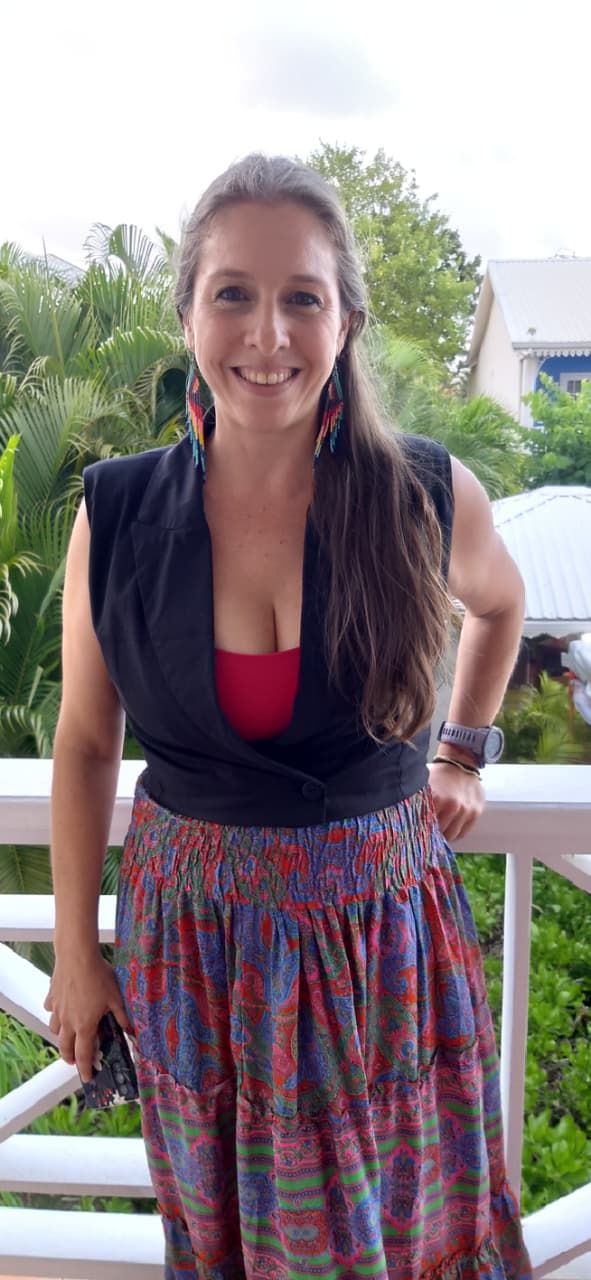
Carolina Sanchez, spokesperson for the Fossil-Free Wider Caribbean Network, said the goal of a regional gathering in Saint Lucia earlier this month was to bring more organisations into a growing coalition pushing for a shift in global energy policy.
The meeting took place ahead of the first international conference focused on transitioning away from fossil fuels, scheduled for April in Santa Marta, Colombia.
Sanchez said one of the main objectives is to increase participation from the English-speaking Caribbean in regional advocacy efforts.
“For us in Central America and the Caribbean, it is really important to understand the dynamics of the international conference and other spaces like this,” she said. “Our small countries tend to not have a lot of voice in those spaces.”
Sanchez, who is from Costa Rica, said smaller states can still influence global discussions if they work together.
“I firmly believe that small countries can have a big voice if they choose to,” she said.
According to Sanchez, the participation of Caribbean states in global climate and energy negotiations is critical because the region is among the areas most affected by climate change.
She said many Caribbean countries have contributed little to global greenhouse gas emissions but face significant impacts from climate-related disasters such as hurricanes.
“We have contributed the least to the issue of global warming, yet we are suffering some of the strongest consequences in the Caribbean,” she said.
Sanchez said coordinated action among small island and coastal states could help increase pressure on larger fossil fuel producers.
Although many Caribbean economies are small markets individually, she noted that the region collectively represents a significant voice in international discussions.
Sanchez said the upcoming conference in Colombia could provide an opportunity for stronger civil society participation, noting that the country has a tradition of including non-government organisations in policy discussions.
However, she said Caribbean groups must organise to ensure their voices are included.
“That space is not guaranteed,” she said. “It means we have to get together and put more pressure to actually have that space and have our voices heard.”
Sanchez also called for the region to develop its own approach to energy transition rather than adopting policies designed elsewhere.
She said Caribbean states should shape solutions that reflect their economic realities and environmental challenges.
“It’s really important that we start talking about what that transition really looks like for us,” Sanchez said. “We should be developing it in a way that works for the Caribbean.”