
JENSEN LA VENDE
Senior Reporter
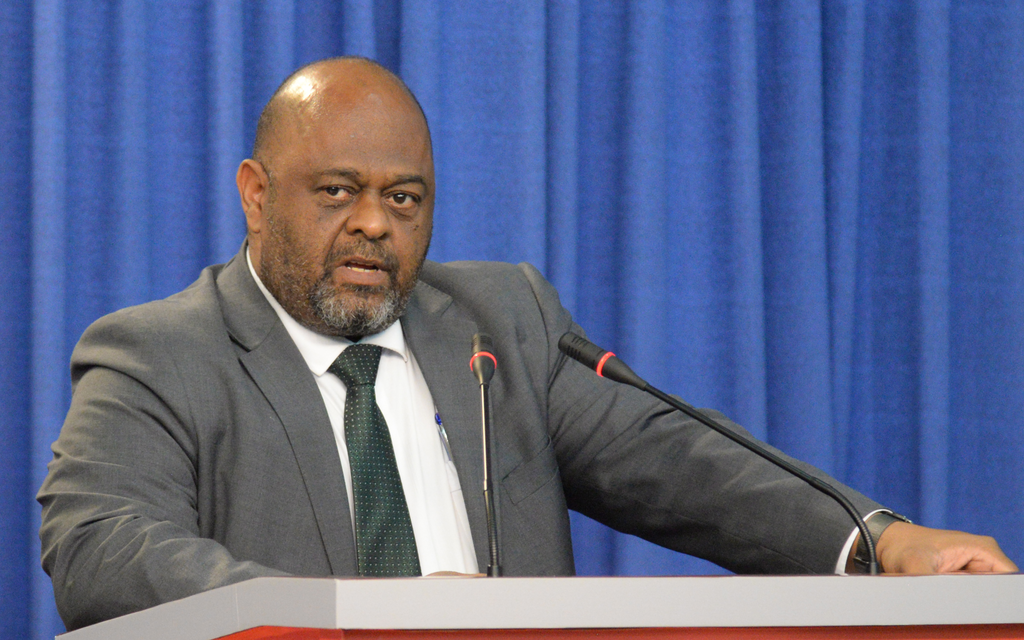
Homeland Security Minister Roger Alexander says the country will know more about those who are on a list of suspected drug traffickers, compiled by the United States, soon.
In a newspaper report published yesterday, Alexander said the United States had compiled a list of persons of interest in the country linked to illegal drugs, guns and violence.
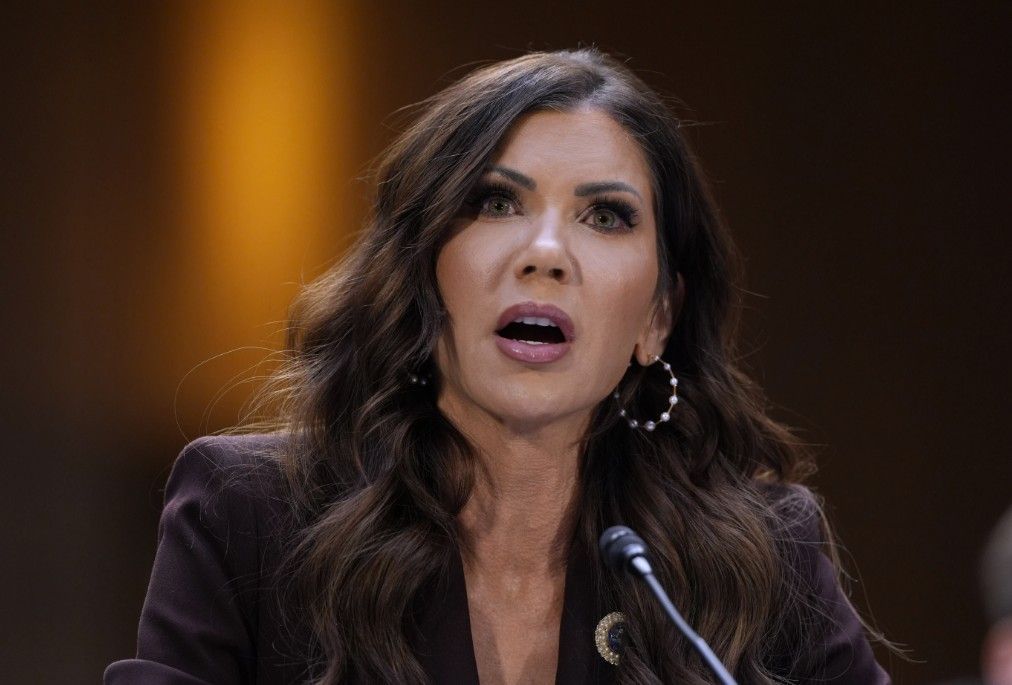
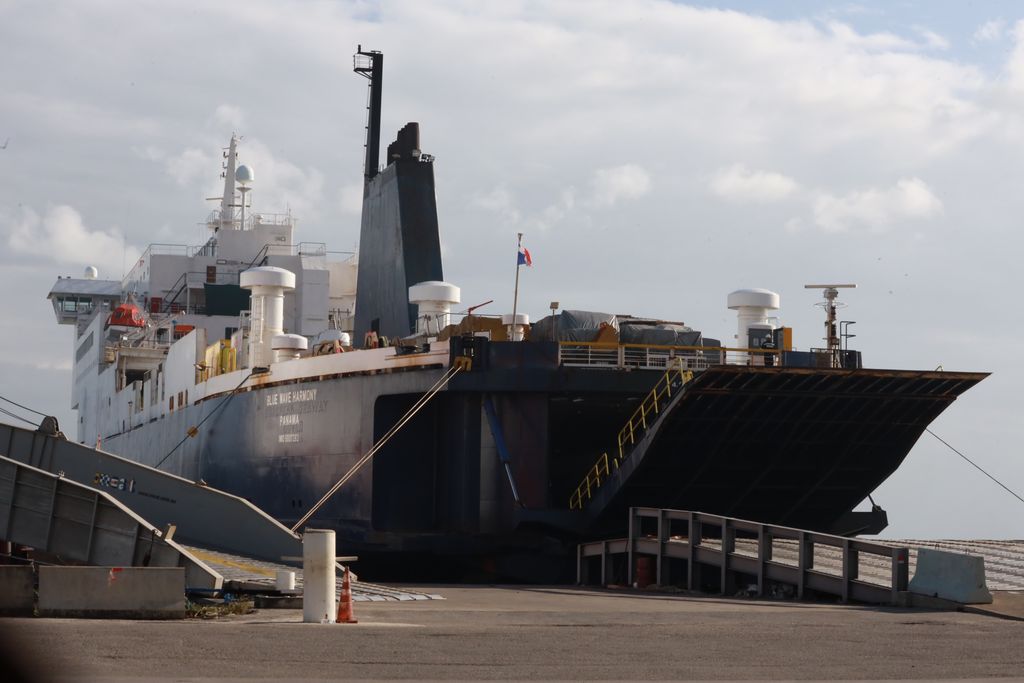
The list comes after the country became a signatory on the US-led Americas Counter-Cartel Coalition (ACCC), which US President Donald Trump said would involve deadly force against the cartels in Latin America and the Caribbean.
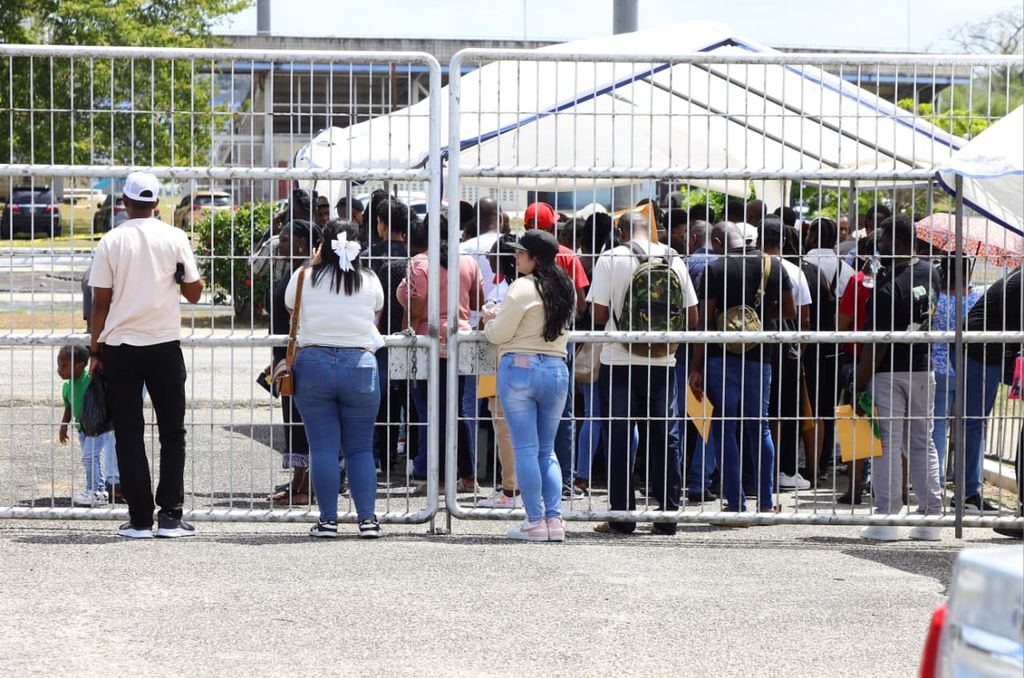
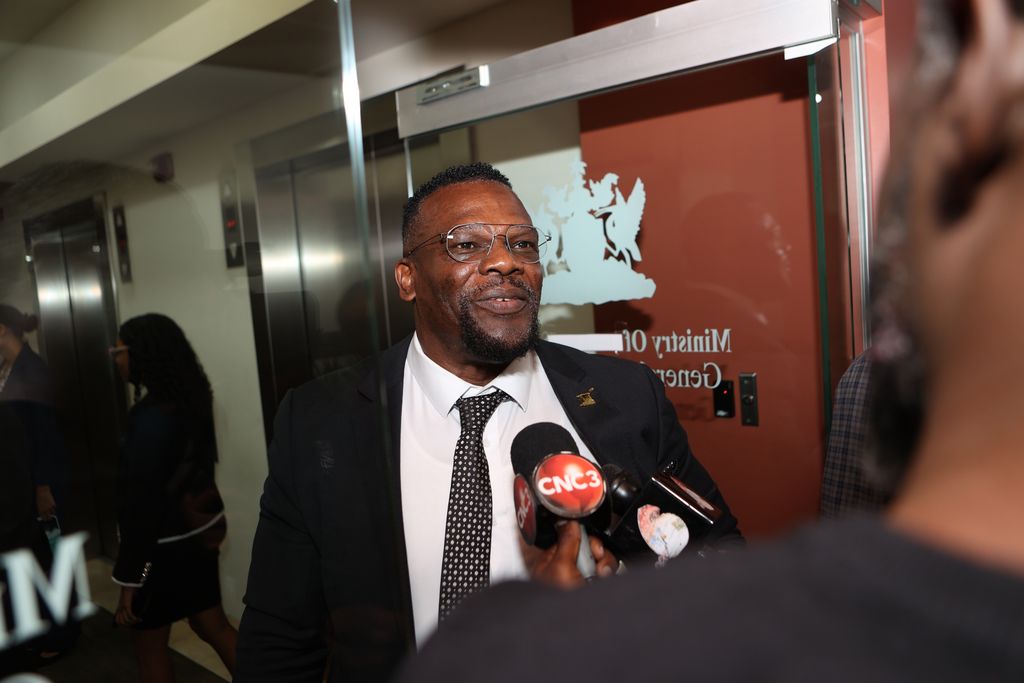
Asked yesterday if anyone on the list was part of the catchment of those released without charge at the end of the last State of Emergency, Alexander said: “We’ll let you know when that time comes. I hope you’re not on the list, Mr Jensen.”
In the lead-up to the United States detaining Venezuela’s then president, Nicolás Maduro, there were several kinetic airstrikes in the region against supposed drug traffickers, killing over 100 people.
The action was condemned worldwide as a breach of international law. However, both the Prime Minister Kamla Persad-Bissessar and Attorney General John Jeremie said the country, in supporting the killings, did not breach international laws.
After the first strike in September last year, Persad-Bissessar invited the US to “kill them all violently.”
International relations experts predict a similar type of action with the ACCC.
In addressing this, Alexander, in the media report, said: “We support the aggressive action against those persons who continue to kill our citizens through their trafficking. They are killing the entire society with their nefarious activities, which impact our youth. We are fed up. We want citizens to look like and act and appear to be the future leaders of tomorrow, not a whole heap of pipers walking around.”
Speaking with Guardian Media yesterday, security expert and retired lieutenant commander Norman Dindial said the ACCC is not needed to address the drug problem in the country.
“You cannot shoot and bomb organised crime out of existence. Even if you capture or kill the big fish, disrupt activities and supply chains, destroy drug labs, and kill drug mules and smugglers, any thoughtful military officer or intelligence analyst can tell you that it achieves truly little towards the larger goal of eliminating organised crime and criminality,” Dindial said.
International relations expert and lecturer at the UWI, Dr Keron Niles, meanwhile warned that supporting such military actions would have a negative long-term impact on the country.