
The Congress of the People (COP) has expressed support for the Government’s declaration of a State of Emergency, saying the measure allows broader crime reduction strategies to take root while protecting law-abiding citizens.
In a media release issued today, the party said crime in Trinidad and Tobago has reached a level that requires decisive and systemic intervention. It argued that while long-term solutions must address the root causes of criminal activity, several short-term actions can produce results in the immediate to medium term.
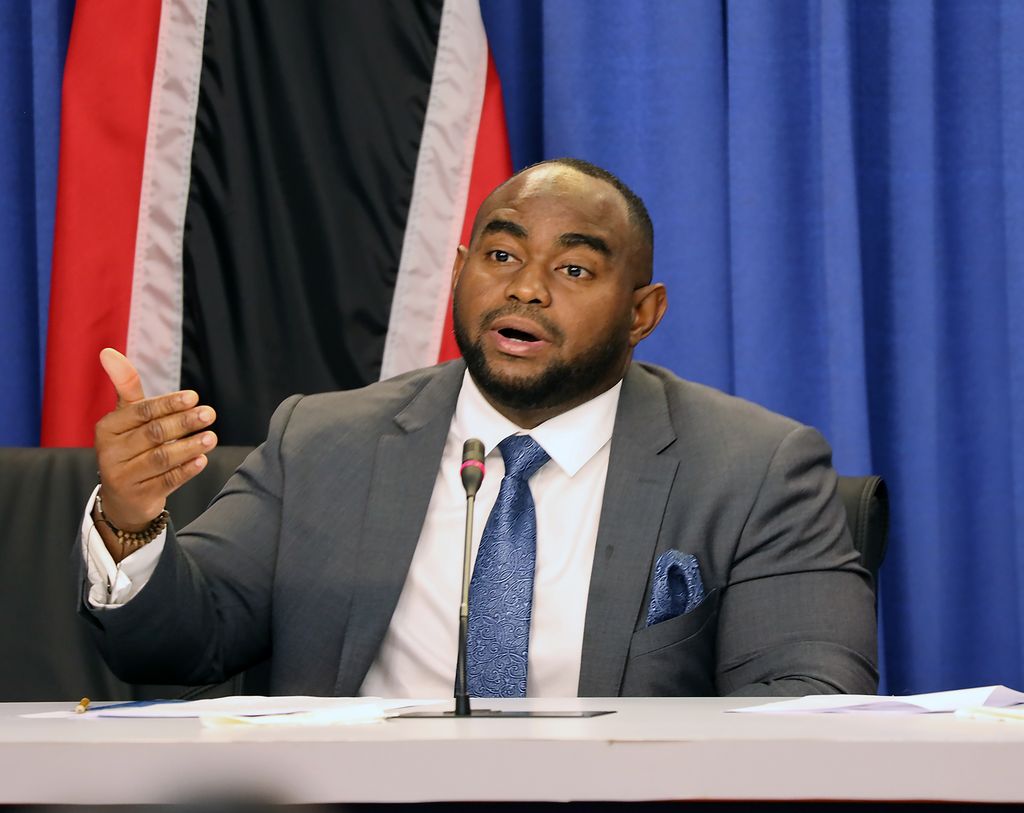
The framework, presented by Imran Ali, outlines ten short-term measures aimed at restoring public confidence, strengthening law enforcement accountability, modernising surveillance systems, closing legislative loopholes and addressing weaknesses in border security and the justice system.
Among the proposals is the mandatory use of body-worn cameras for police officers who routinely interact with the public. The party said cameras would create a transparent and verifiable record of interactions between police and civilians. It recommended mandatory activation during arrests, searches, traffic stops and other public engagements, with footage stored in a secure centralised evidence management system. The COP said the measure would reduce allegations of police misconduct, protect officers from false accusations and strengthen evidentiary support for criminal prosecutions.
The party also called for the establishment of an independent Internal Affairs Unit within the Police Complaints Authority. It proposed staffing the unit with retired foreign law-enforcement professionals who have no previous ties to the Trinidad and Tobago Police Service. The COP argued that independent investigators would strengthen oversight, reduce institutional influence and improve public confidence in accountability mechanisms.
Another proposal calls for a limited-time national gun amnesty allowing individuals to surrender illegal firearms and ammunition without prosecution. After the amnesty period, the party recommends amendments to the Firearms Act to increase mandatory minimum sentences for illegal firearm possession and impose stronger penalties for trafficking and repeat offences.
The framework also includes a request for the Telecommunications Authority of Trinidad and Tobago to regulate or restrict the broadcast of music and music videos that glorify gun violence, gang culture and criminal behaviour on radio and television. The party said such content contributes to the normalisation of violence and negatively influences young audiences.
The COP also proposed the deployment of a nationwide network of 20,000 solar-powered security cameras equipped with facial recognition and automatic licence plate recognition technology. The cameras would operate independently using solar power and feed live data to police monitoring centres. The party recommended installing approximately 500 cameras in each parliamentary constituency, with placement guided by crime data from the police.
Additional recommendations include a national vehicle transfer amnesty lasting six months to regularise overdue ownership transfers, followed by the introduction of RFID-enabled licence plates distributed solely through the Licensing Authority. The party said the system would improve vehicle ownership records and assist investigations involving stolen vehicles.
The framework further proposes the establishment of a Night Court dedicated to traffic matters to reduce the backlog in the magistrates’ courts. The COP said the current situation, in which citizens contesting traffic tickets receive court dates several years away, undermines the efficiency of the justice system.
Other measures include the creation of SafeSpot exchange zones at police stations where citizens can safely complete transactions arranged through online marketplaces, the deployment of the Trinidad and Tobago Regiment to patrol key coastal areas in coordination with the Coast Guard to deter smuggling, and reforms to container inspection procedures at ports.
The party recommended ending the practice of allowing containers to be inspected offsite by so-called low-risk traders and increasing the percentage of containers scanned at port facilities. It also proposed rigorous background checks, financial disclosure screening and voluntary bi-annual polygraph testing for personnel within transit shed operator units.
The COP said the combined measures would strengthen national security, disrupt trafficking routes, modernise policing and rebuild public trust in the country’s crime-fighting institutions.