
Senior Reporter
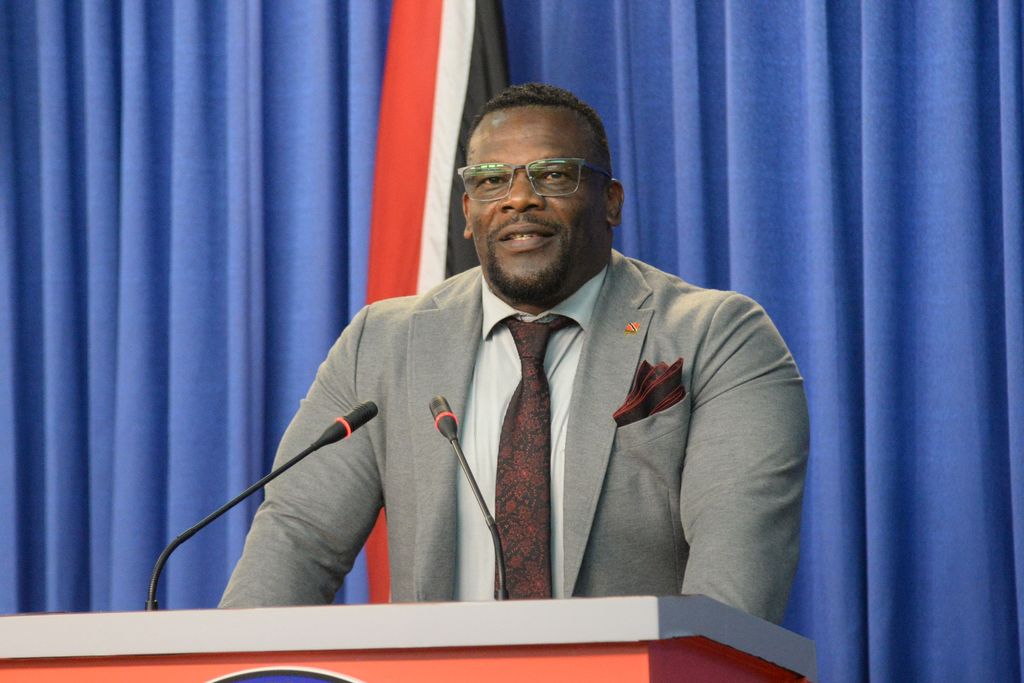
Education Minister Dr Michael Dowlath says while progress has been made in reducing disruptions outside the classroom, troubling new data shows behavioural issues are increasingly occurring during instructional time.
He has described the shift in schools across the country as critical, prompting revisions to the Ministry of Education’s National School Code of Conduct (NSCC).
“The most important thing we are looking at is to guard instructional time, to use as many measures as possible to maximise students’ time in the classroom. What we need is a disciplined classroom,” Dr Dowlath said yesterday, during the launch of the updated at the ministry’s head office in Port-of-Spain.
Dr Dowlath first highlighted areas of improvement.
“In our school-oriented police officer evaluation programme for Term One of the 2025/2026 academic year, we observed something instructive. Suspensions during lunchtime declined by approximately 15 per cent, and suspensions after school declined by roughly 25 per cent,” he said.
However, he revealed that classroom incidents have increased.
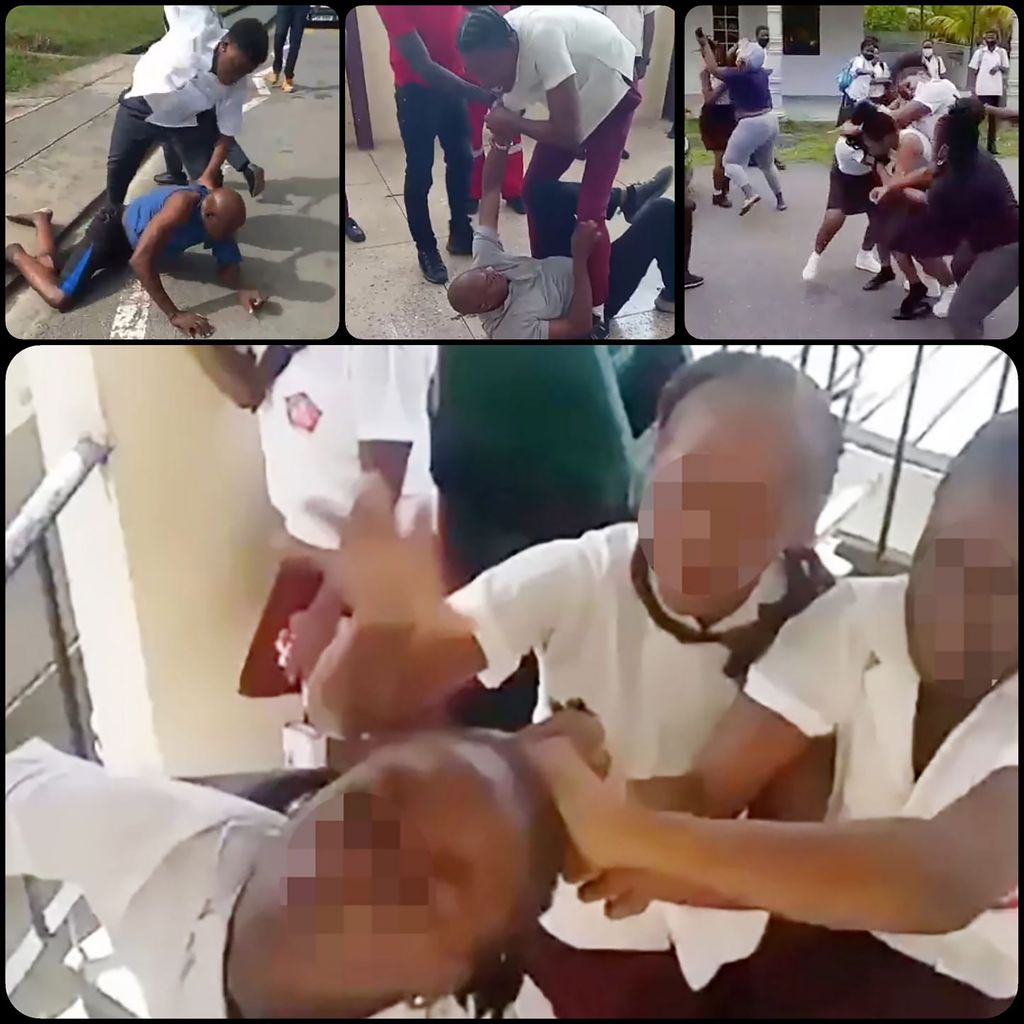
“Incidents during class time, with a member of staff present, rose from 401 to 544. This tells us that while supervision outside the classroom has improved, behavioural pressure has shifted into the classroom, which directly impacts teaching quality,” Dowlath explained.
He stressed that the development could not be ignored.
“If incidents are now occurring more frequently during instructional time, then classroom management becomes central to our reform agenda,” he said.
Dowlath said the revised code places the protection of instructional time at its core, describing it as “not merely a behavioural framework, it is an academic reform tool.”
He also highlighted that a recent survey flagged bullying as a major concern among students, along with vaping, reinforcing the need for an updated framework.
“In 2024, the ministry conducted a climate survey in all schools. Bullying and vaping were identified as major issues. These numbers are not abstract statistics—each incident represents a disrupted classroom, a teacher diverted from instruction, students pulled away from learning, and a school climate affected. We cannot improve literacy, numeracy, or examination performance without confronting this reality. The code required revision because the data demanded it,” he said.
He said a further evaluation of the School-oriented Policing Programme for Term One (2025-2026) showed that national suspensions increased from 2,659 to 3,005. However, in the 51 highest-risk schools where permanent police officers are stationed, he said suspension numbers remained stable.
“Violent-related suspensions declined modestly in those schools (with police officers). The share of national suspensions attributed to high-risk schools with police officers fell from 80.4 per cent to 71.4 per cent,” Dowlath said.
Police deployment in schools was introduced by the Government last year to secure a safe learning environment amid rising incidents of indiscipline and violence within the national school population.
The minister said the updated NSCC reinforced the ministry’s zero-tolerance stance on sexual misconduct, gang violence and indiscipline, but stressed that enforcement alone was insufficient.
“Every serious measure must be proportionate, age-appropriate and legally compliant, in the best interest of the child. Discipline must never be violence. “Accountability and compassion are not opposing forces—they must coexist. The introduction of school-oriented police officers was evidence-driven,” he said.
Deputy Police Commissioner Junior Benjamin, who heads the School-oriented Policing Programme, confirmed that police will remain stationed at schools as long as necessary.
“The officers are going to be there for as long as they need to be. The aim is to ensure a safe and consistent environment where students can feel comfortable to learn and not be involved in violence,” he said.
When asked about expanding the programme to additional schools, DCP Benjamin said the Trinidad and Tobago Police Service will work with the Ministry of Education to determine the way forward. He added that no police officers have been attacked by students since deployment.
Dowlath also confirmed that the NSCC includes guidelines on the school dress code policy.
Responding to the data yesterday, National Parent-Teacher Association president Walter Stewart described the rise in classroom behavioural issues as deeply concerning.
“While it is encouraging that disruptions outside the classroom are reducing, the increase in behavioural issues during instructional time sends a troubling signal,” he said, noting that instructional time is critical to curriculum delivery, student learning and overall academic progress.
Stewart praised schools with calm, orderly classroom environments, attributing their success to years of intentional effort, clear expectations and consistent enforcement. He called for strengthened support systems, including greater parental engagement.
“Collaboration among school administration, teachers, parents, and students is necessary to foster positive classroom behaviour,” Stewart said.
Meanwhile, Trinidad and Tobago Unified Teachers Association (TTUTA) president Crystal Ashe said while he could not verify the minister’s statistics, he was supportive of any measures that could minimise classroom disruptions.
“We do not condone any type of deviant behaviour by students and welcome any measures that would reduce such incidents,” Ashe said.