
Trinidad and Tobago is again under a State of Emergency, with the Emergency Powers Regulations, 2026, Legal Notice No. 40 of 2026, now in force.
While there is no curfew at this time, the regulations grant sweeping powers that could affect social media use, protests, police searches and detention.
Social media and public statements
The regulations do not specifically mention “social media”, but they contain broad language that can apply to online platforms.
It is an offence to endeavour—orally or otherwise—to influence public opinion in a manner likely to be prejudicial to public safety. That wording can extend to posts, videos or messages shared online.
It is also an offence to have any article in your possession with the intent of making or facilitating such an endeavour. An article could include a mobile phone, computer or other electronic device.
The Commissioner of Police may impose restrictions on any person regarding their association or communication with other persons. The President also may make Orders authorising the search of computers and electronic devices seized by police.
Protests, gatherings and movement
Although the word “protest” does not appear in the regulations, the powers granted can affect public demonstrations and gatherings.
The Commissioner of Police may restrict a person’s association with others and can require a person to leave a specific place or prohibit them from entering certain areas.
Any location can be designated a “protected place”. Entering such a place without authorisation is an offence, and police may search or remove anyone found there.
The same public safety offence relating to influencing public opinion could apply to speeches or organised efforts during a protest.
Warrantless searches and police powers
Police have expanded powers to act without a warrant.
An officer may enter and search any premises if they suspect that evidence of an offence under the regulations is likely to be found. Officers may use force, if necessary, to gain entry.
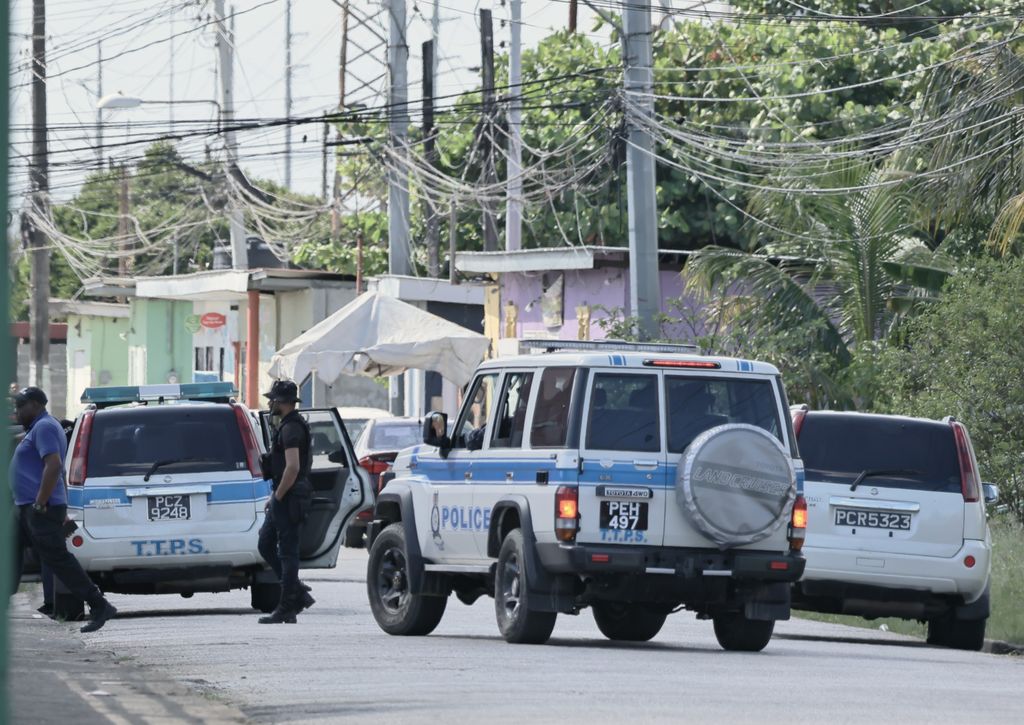
Police also may stop and search individuals, vehicles or vessels, whether in a public place or not.
A police officer may arrest a person without a warrant if the officer suspects the person has acted, is acting, or is about to act in a manner prejudicial to public safety. Anyone driving a vehicle must stop when required to do so by a uniformed officer.
Members of the Defence Force may be called out to assist the police and, when doing so, have the same powers as a police officer.
Detention, bail and penalties
The Minister may order preventive detention to prevent a person from acting in a manner prejudicial to public safety. A detained person can be held in a place and under conditions directed by the Minister.
Persons detained under the regulations or charged with an offence where there is an apprehension they might incite breaches of the peace, can be denied bail. In such cases, the writ of habeas corpus does not lie, and judges cannot exercise jurisdiction to grant bail.
Offences under the regulations carry a fine of $100,000 and imprisonment for five years.
Curfew framework
There is no curfew in place at this time. However, the Commissioner of Police is authorised to prohibit persons from being out of doors during specified hours.
If a curfew is imposed, persons would be allowed outside during those hours only with a written permit. The Commissioner can also require individuals to notify a specified authority of their movements at particular times.
The regulations took effect upon publication and remain in force for the duration of the State of Emergency unless amended or revoked.