Young defends Atlantic LNG deal as Iran tensions drive energy price outlook
 02 March 2026
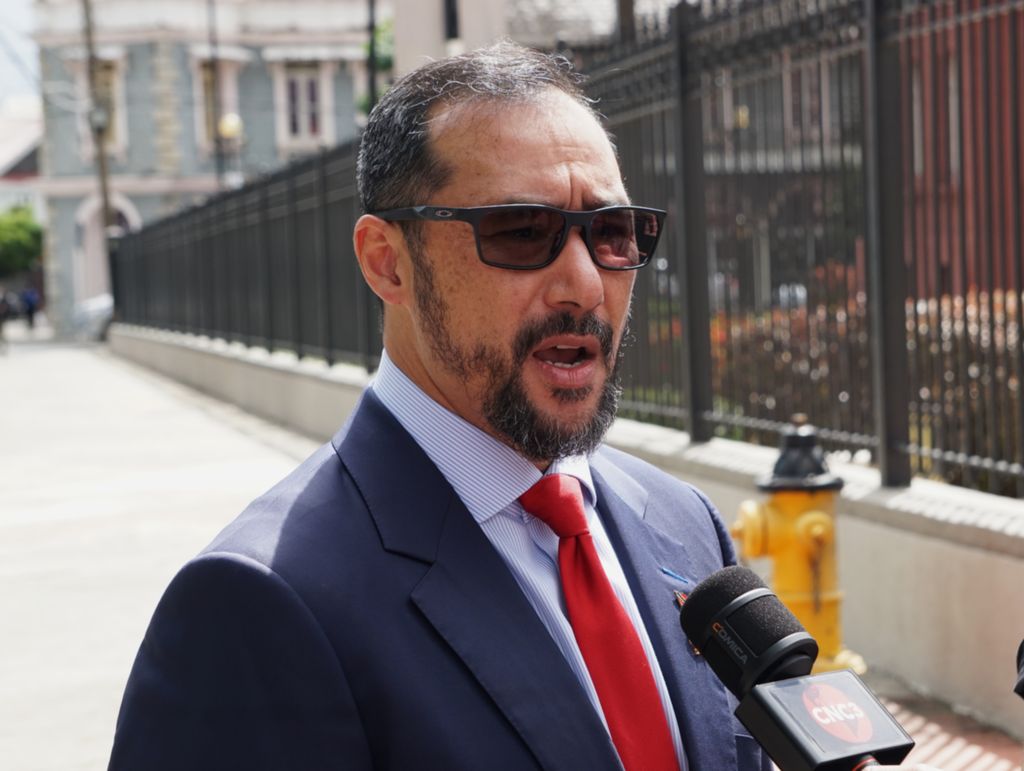

As rising tensions involving Iran push global oil and gas prices higher, former energy minister Stuart Young has defended the Atlantic LNG restructuring, saying the country is now positioned to benefit because of decisions taken under the previous People’s National Movement (PNM) government.
In a statement issued today, Young said the December 2023 restructuring of Atlantic LNG (ALNG) introduced a new pricing system that links Trinidad and Tobago’s gas sales to international markets in Asia, Europe and oil prices, allowing the country to earn more when global energy prices rise.
His comments come after Energy Minister Dr Roodal Moonilal said escalating conflict in the Middle East could deliver a potential revenue windfall for Trinidad and Tobago, as instability threatens energy shipments through the Strait of Hormuz, a key global route for oil and liquefied natural gas. Recent disruptions have already pushed gas and oil prices upward amid fears of supply shortages.
Young argued that the pricing structure now being cited by the Government as a benefit was negotiated during the PNM’s tenure following years of talks with energy companies Shell and bp.
“In December 2023 we completed the historic restructuring of Atlantic LNG,” Young said, adding that negotiations took approximately five years.
He said the agreement created a basket pricing formula tied to European and Asian gas markets as well as Brent oil prices. It also secured a 10 per cent shareholding in ALNG Trains 2 and 3 along with LNG cargo allocations at no cost to citizens.
Young also criticised Prime Minister Kamla Persad-Bissessar and Moonilal, saying they had previously opposed the restructuring and questioned official travel linked to negotiations in Houston, London and The Hague.
He accused the Government of now promoting benefits arising from an agreement it had earlier criticised and described the restructuring as a major achievement of the former administration