
Tobago Correspondent
Tobago’s self-governance push is gaining momentum, following the Tobago House of Assembly’s (THA) passage of a motion beginning the consultative referendum process yesterday.
Last Sunday, Chief Secretary Farley Augustine announced his intention to install a constituent assembly for a collaborative approach towards achieving greater autonomy. Augustine said various stakeholders will be invited to the launch of the assembly and the objective will be to have a law passed giving Tobago the right to self-determination by the end of the year.
Augustine recently returned home after visiting St Kitts and Nevis, where he met officials to discuss what he described as the “progressive” autonomy laws there. Under a federal structure, Nevis has the right to secession if a referendum gains a two-thirds majority.
During a session at the Assembly Legislature in Scarborough yesterday, THA Secretary of Strategic Planning and Development Trevor James laid a motion calling on Cabinet to take steps to recognise Tobago’s right to self-determination and for the Secretary of Legal Affairs to begin the legislative drafting process.
He said constitution and international law experts, assemblymen, civic society, business and youth groups will be consulted on the process.
James called on Tobagonians residing on the island or abroad to show unequivocal support for the initiative. He warned that Tobago has been and will be sidelined by Parliament if these laws are not passed.
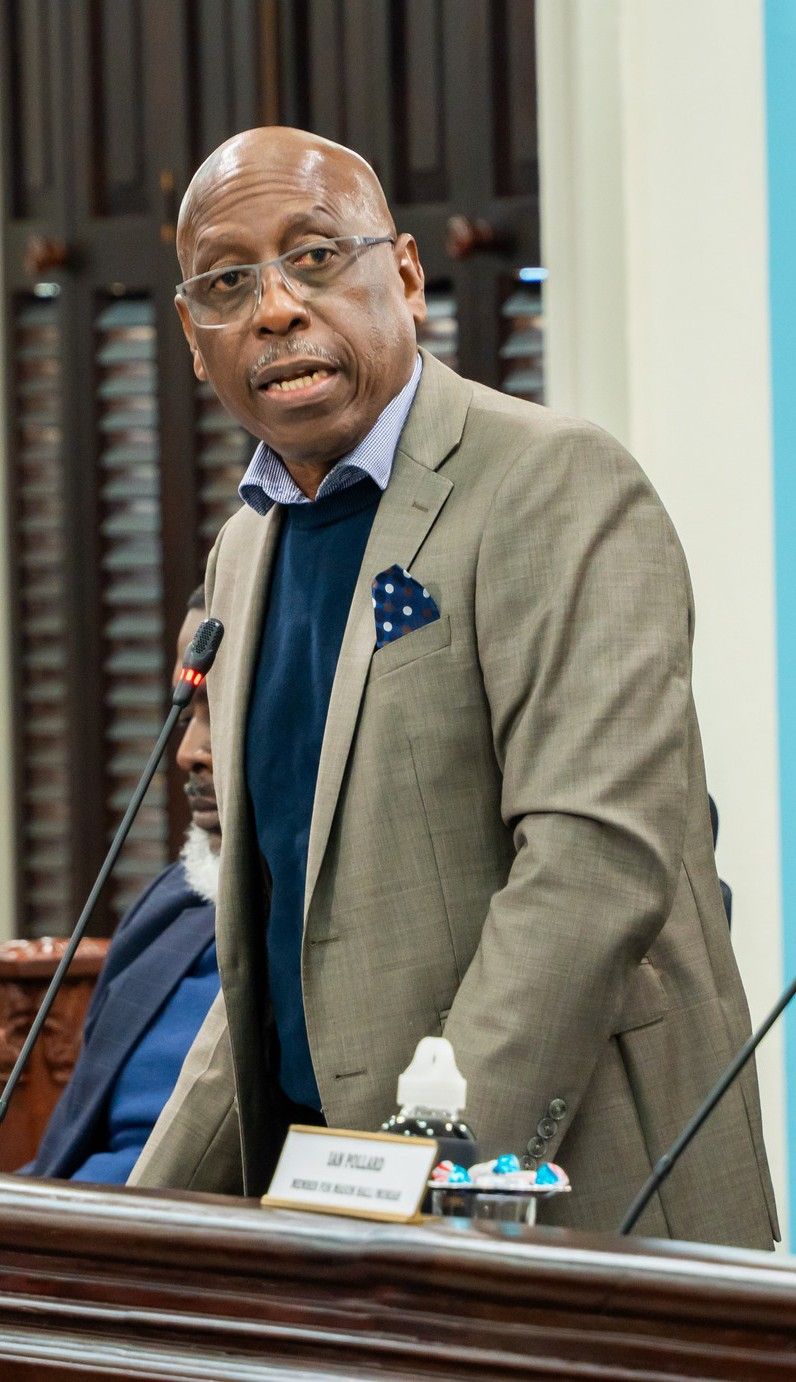
James said, “Mr Presiding Officer, we are not seeking to divide the Republic, we are seeking to complete it by allowing the people of Tobago to speak clearly, lawfully, and peacefully about their future. All Tobagonians and right-thinking humans should agree that the ultimate political authority over the people of Tobago must be the people themselves.
“Inherent in the sovereignty of the Tobagonian people must be to directly approve or reject laws and constitutional arrangements that speak to our very being, that it would be unnaturally adverse for these decisions to be made by others elsewhere.”
James said Parliament will be asked to enact a referendum framework, which he suggested be titled the Tobago Consultative Referendum Act, to codify who would be allowed to vote, who would be allowed to call a referendum, and the threshold for it to be held.
He said Tobago would decide whether a simple majority is needed for success, giving examples such as the 2014 Scottish Independence Referendum and Britain’s referendum to exit the European Union in 2015.
“I personally look forward to a referendum that says Tobago should compete in sports as a separate entity to allow our sportsmen to finally see themselves in (international spotlight for) Tobago. It’s not just about autonomy and so on, we need to bring this democracy back to the people.”
James said the legislative procedure after a referendum must be outlined with a fixed timeline for Parliament to amend the Constitution based on the outcome.
“This would keep the process structured and prevent the referendum from being symbolic only,” he said.
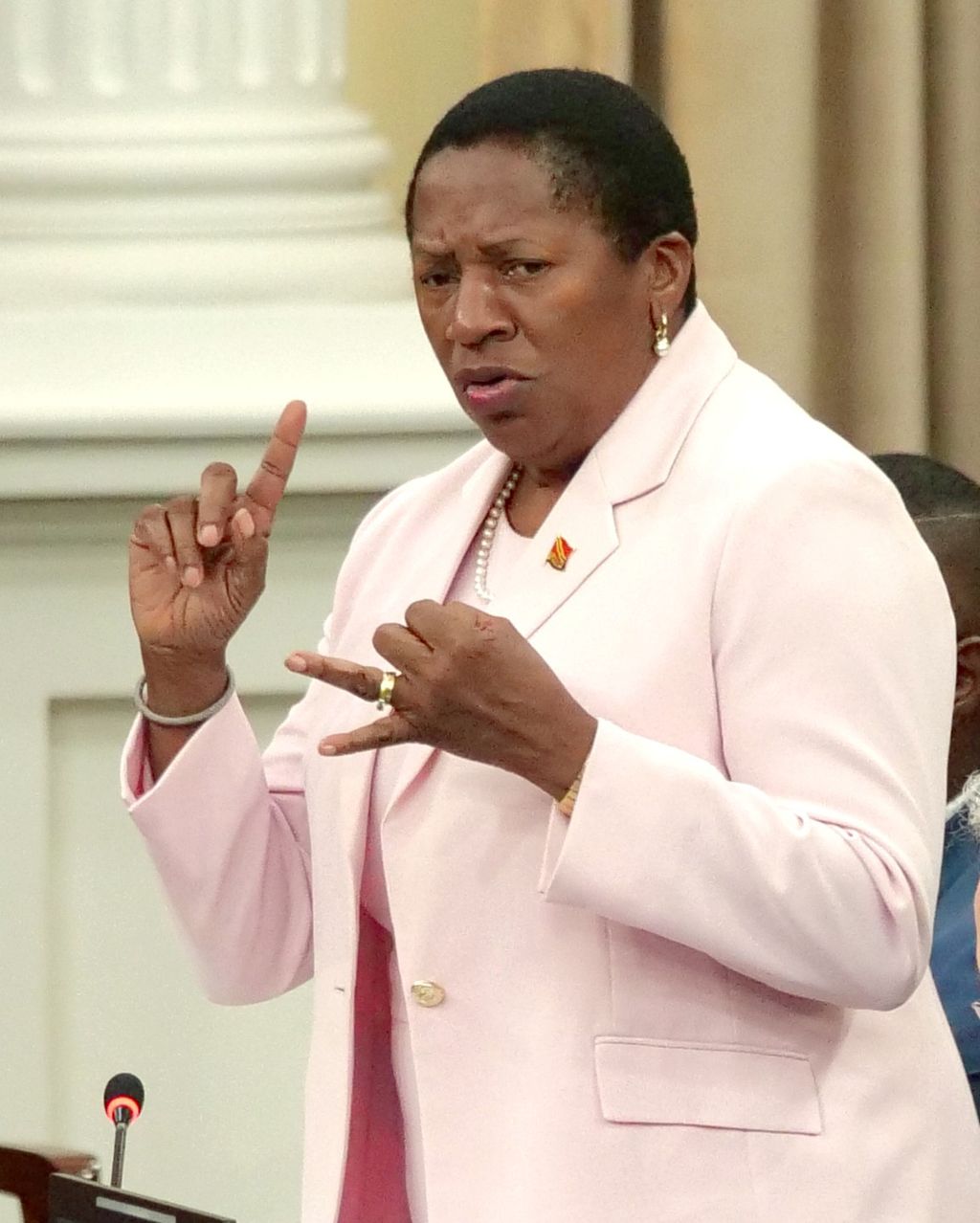
Deputy Chief Secretary Dr Faith Brebnor said the Tobago People’s Party (TPP) administration has the backing of the public in its autonomy journey.
“When this administration won the 15 seats, we did so not for us to simply manage the status quo. Tobago did not give us a clean sweep so we could negotiate timidly. Colleagues, man up and woman up...They do not expect us to give them any half measure dressed up as progress,” she said.
Brebnor said Tobagonians are tired at being told to take little and live long. She noted that many oil and gas fields are closer to Tobago than Trinidad, yet the island was not seeing a comparative economic benefit.
She said if Tobago were an independent country, many of the energy fields that belong to T&T would be exclusively owned by Tobago. She said protecting Tobago’s fiscal framework is crucial before autonomy is defined.
“Let us not be fooled, we have been contributing significantly to the purse of T&T,” she said.
Still, she said there is a genuine fear from Tobagonians about separation from Trinidad.
“That is not what we are talking about, but we have to recognise these are genuine concerns within our citizens and those genuine concerns must be listened to. We must come up with ways about allaying those fears. This year is going to include a lot of re-education. It has to include a lot of pep talks to Tobagonians who are fearful. We have to do it.”